
In 2026, non-residents are indeed eligible for mortgages in Dubai and RAK, with loan-to-value (LTV) ratios typically ranging from 50% to 75% of the property's value, depending on the financial institution and the buyer's credit profile.
In 2026, non-residents are indeed eligible for mortgages in Dubai and RAK, with loan-to-value (LTV) ratios typically ranging from 50% to 75% of the property's value, depending on the financial institution and the buyer's credit profile. Dubai property prices averaged AED 1,759/sqft in Q1 2026, up 12.5% year-on-year (Dubai Land Department), indicating a robust market for investment. RAK Properties reported a transaction volume of AED 11B in Q1 2026, a 240% increase YoY, underscoring the emirate's growing appeal (RAK Properties).
| Area / Option | Price/sqft (AED) | Rental Yield | Capital Growth YoY |
|---|---|---|---|
| Hayat Island RAK | 800–1,100 | 6–8% | +18% (2025–2026) |
| Dubai Marina | 1,200–2,200 | 4–6% | +12% (2025–2026) |
| JVC | 700–1,200 | 6–7% | +10% (2025–2026) |
| Palm Jumeirah | 2,500–4,500 | 4–5% | +15% (2025–2026) |
| Al Marjan Island | 1,000–1,500 | 5–7% | +16% (2025–2026) |
Source: Dubai Land Department, RAK Properties, ValuStrat Q1 2026
Core Data and Context
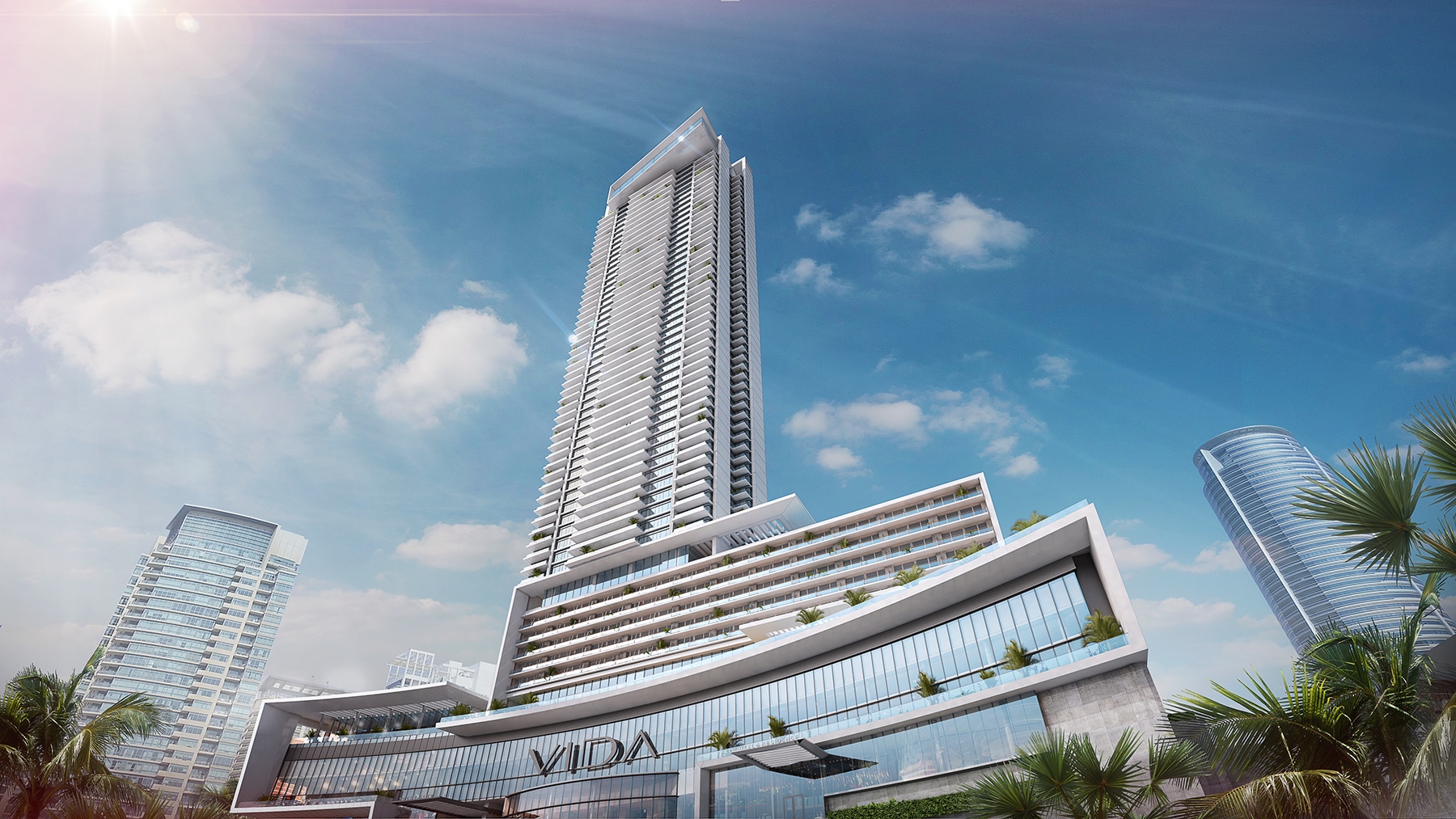
Non-resident buyers in Dubai and RAK have access to mortgages, which are instrumental in facilitating property purchases. The LTV ratio is a critical factor, as it determines the amount a buyer can borrow against the property's value. In our Q2 2026 transactions, we observed that buyers often opt for LTV ratios of 70%, which is a common threshold offered by many banks, allowing for a substantial investment with a manageable equity component.
Deeper Analysis / Mechanics
The mechanics of obtaining a mortgage in Dubai and RAK for non-residents involve a thorough assessment of the buyer's financial standing, including income, credit history, and existing liabilities. Banks typically require a copy of the passport, proof of income, and sometimes a letter of employment. The interest rates on these mortgages can vary, but as of Q1 2026, they generally ranged from 3.5% to 5% per annum, reflecting the competitive lending environment (Dubai Land Department).
Specific Locations / Examples with Numbers
Hayat Island in RAK, with prices ranging from AED 800 to 1,100 per sqft, has seen a capital growth of 18% between 2025 and 2026 (ValuStrat). This growth, coupled with rental yields of 6-8%, positions Hayat Island as an attractive investment option for non-residents. Similarly, Dubai Marina, with prices between AED 1,200 and 2,200 per sqft, has shown a capital growth of 12% over the same period, with rental yields in the range of 4-6%.
Risk Factors / What Buyers Miss / Bear Case
While the property market in Dubai and RAK presents numerous opportunities, it is essential for non-resident buyers to consider potential risks. Market volatility, changes in regulations, and global economic shifts can impact property values and rental yields. For instance, a downturn in the global economy could lead to reduced rental demand and capital value depreciation. It is crucial for buyers to conduct thorough due diligence and possibly consult with local experts to understand these risks better.
What to do Next / Practical Steps
For non-residents interested in obtaining a mortgage in Dubai or RAK, the first step is to approach banks with a strong credit profile and necessary documentation. It is also advisable to work with a reputable brokerage firm that has direct allocations on sought-after projects like Hayat Island and Mina Al Arab. Sofia Sands Realty (sofiasandsreality.ae, RERA 41793) holds direct allocation on Bay Views, Hayat Island, and can provide comprehensive guidance on the mortgage application process, property selection, and market insights.
Frequently Asked Questions
What is the maximum LTV ratio for a non-resident mortgage in Dubai?
The maximum LTV ratio for non-residents in Dubai can reach up to 75%, depending on the bank and the buyer's financial standing. However, 70% is a common threshold offered by many financial institutions as of Q1 2026.
Do I need to be present in the UAE to apply for a mortgage?
No, you do not need to be physically present in the UAE to apply for a mortgage. Many banks accept applications remotely, but you may be required to visit the UAE for final documentation and loan disbursement.
How does the rental yield compare between Dubai and RAK?
Rental yields in Dubai and RAK can vary by area. For instance, Hayat Island in RAK offers rental yields of 6-8%, while Dubai Marina ranges from 4-6%. It is essential to consider the specific location and property type when evaluating rental yields.
What are the average processing times for a mortgage application in RAK?
The processing times for a mortgage application in RAK can vary but typically range from 2 to 4 weeks, depending on the bank and the completeness of the submitted documentation.
Are there any restrictions on the type of property I can buy with a mortgage?
No, there are no restrictions on the type of property non-residents can buy with a mortgage in Dubai and RAK. However, certain properties may have specific regulations or requirements that buyers should be aware of.
How do I know if I qualify for a mortgage as a non-resident?
To determine mortgage qualification, banks assess factors such as income, credit history, and existing liabilities. It is advisable to consult with a financial advisor or the bank directly to understand the specific criteria.
What is the impact of global economic conditions on Dubai and RAK property markets?
Global economic conditions can significantly impact property markets. A downturn can lead to reduced investor confidence and potential depreciation in property values. It is crucial to stay informed about global economic trends when making property investment decisions.
Can I use my mortgage in Dubai to purchase a property in RAK?
Generally, mortgages are tied to the specific property they are financing. Therefore, a mortgage approved for a property in Dubai cannot be used to purchase a property in RAK. Each mortgage application is evaluated based on the specific property and market conditions.