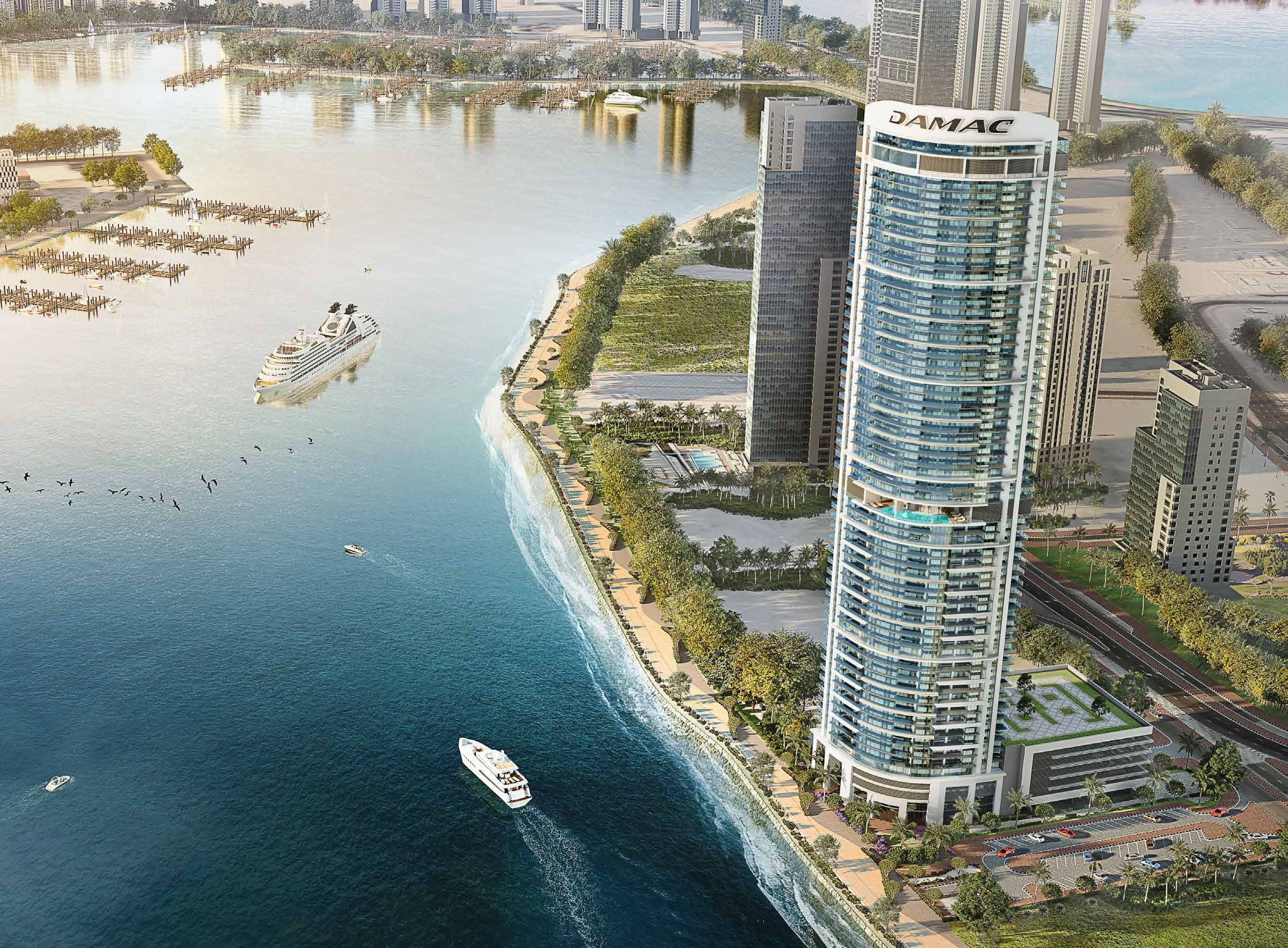
Yes, first-time buyers in Dubai can secure a mortgage as a non-resident or expat in 2026.
Yes, first-time buyers in Dubai can secure a mortgage as a non-resident or expat in 2026. The emirate's real estate market has continued to evolve, making it increasingly accessible to international investors. With Dubai property prices averaging AED 1,759/sqft in Q1 2026, up 12.5% year-on-year, according to the Dubai Land Department, the market offers a compelling investment opportunity. Non-residents can obtain mortgages with loan-to-value ratios of up to 75%, and expats can secure up to 80%, provided they meet the necessary financial criteria.
Core Data and Context
Dubai's real estate market has been bolstered by a series of reforms aimed at attracting foreign investment. The Dubai Land Department reported AED 176.7 billion in total sales in Q1 2026, with off-plan transactions accounting for 70% of all transactions. The average price for off-plan properties was AED 2,047/sqft, while ready properties averaged AED 1,713/sqft. These figures underscore the vibrancy of Dubai's real estate market and the opportunities available to non-resident and expat buyers.
| Area / Option | Price/sqft (AED) | Rental Yield | Capital Growth YoY |
|---|---|---|---|
| Hayat Island RAK | 800–1,100 | 6–8% | +18% (2025–2026) |
| Dubai Marina | 1,200–2,200 | 4–6% | +12% (2025–2026) |
| JVC | 700–1,200 | 6–7% | +10% (2025–2026) |
| Palm Jumeirah | 2,500–4,500 | 5–7% | +15% (2025–2026) |
| Business Bay | 1,000–1,800 | 5–6% | +11% (2025–2026) |
Source: Dubai Land Department, RAK Properties, ValuStrat Q1 2026
Deeper Analysis / Mechanics
The mechanics of obtaining a mortgage in Dubai as a non-resident or expat involve several key steps. Firstly, buyers must secure a no-objection certificate from the bank of their home country, which verifies their creditworthiness. Following this, they must provide proof of income, typically through salary certificates and bank statements. The loan application process can take anywhere from 4 to 6 weeks, and buyers are advised to start this process early to avoid delays.
Banks in Dubai offer competitive interest rates, with the average being around 3.5% to 4.5% per annum. It's crucial for buyers to shop around and compare rates to find the most favorable terms. The repayment period can range from 5 to 25 years, depending on the buyer's financial situation and the bank's policies.
Specific Locations / Examples with Numbers
Hayat Island in Ras Al Khaimah (RAK) is a prime example of an area attracting non-resident and expat buyers. With prices ranging from AED 800 to 1,100/sqft and rental yields of 6–8%, it offers significant capital growth potential. RAK Properties reported an 86.5% completion rate for Cape Hayat in Q1 2026, indicating the development's progress and the area's attractiveness to investors. The upcoming Wynn Al Marjan, set to open in Q1 2027, will further boost the area's appeal with its 1,500+ rooms, casino, and convention center.
Dubai Marina, another popular location, offers a different set of advantages. With prices ranging from AED 1,200 to 2,200/sqft and rental yields of 4–6%, it is a sought-after area for its luxury living and prime location. The area's capital growth rate of +12% year-on-year (2025–2026) makes it an attractive investment option.
Risk Factors / What Buyers Miss / Bear Case
While the Dubai real estate market presents numerous opportunities, it's essential for buyers to be aware of potential risks. One such risk is the fluctuation in rental yields, which can be affected by market saturation and economic downturns. Additionally, buyers must consider the impact of property management costs and potential void periods on their investment returns.
The bear case for Dubai's real estate market includes the possibility of oversupply in certain areas, which could lead to reduced capital growth and rental yields. Buyers should conduct thorough research and consult with experienced brokers to mitigate these risks.
What to do Next / Practical Steps
For first-time buyers looking to secure a mortgage in Dubai, the first step is to assess their financial situation and determine their budget. It's crucial to understand the total cost of ownership, including property management fees, maintenance costs, and potential void periods.
Next, buyers should engage with a reputable brokerage firm like Sofia Sands Realty (RERA 41793), which holds direct allocation on Hayat Island and other prime locations. We can provide personalized advice, guide you through the mortgage application process, and help you navigate the Dubai real estate market with confidence.
Frequently Asked Questions
What is the maximum loan-to-value ratio for a non-resident buyer in Dubai?
The maximum loan-to-value ratio for a non-resident buyer in Dubai is 75%. This means that buyers will need to provide a down payment of at least 25% of the property's value. Source: RERA
Do I need to have a bank account in Dubai to get a mortgage?
No, you do not need a bank account in Dubai to get a mortgage. However, you will need to provide proof of income and financial stability from your home country. Source: RERA
What is the average processing time for a mortgage application in Dubai?
The average processing time for a mortgage application in Dubai ranges from 4 to 6 weeks. It's advisable to start the application process early to avoid delays. Source: RERA
How do I prove my income for a mortgage application as a non-resident?
As a non-resident, you will need to provide salary certificates, bank statements, and a no-objection certificate from your home country's bank to prove your income and creditworthiness. Source: RERA
What is the average interest rate for a mortgage in Dubai?
The average interest rate for a mortgage in Dubai is around 3.5% to 4.5% per annum. However, rates can vary depending on the bank and the buyer's financial profile. Source: RERA
Can I get a mortgage in Dubai if I have a bad credit history?
Obtaining a mortgage in Dubai with a bad credit history can be challenging. Banks will assess your creditworthiness, and a poor credit history may result in higher interest rates or loan rejection. Source: RERA
What are the property management costs in Dubai?
Property management costs in Dubai can vary depending on the area and the property's size. On average, these costs range from 5% to 10% of the annual rental income. Source: RERA
How do I calculate the total cost of ownership for a property in Dubai?
To calculate the total cost of ownership, you should consider the property's purchase price, mortgage interest, property management fees, maintenance costs, and potential void periods. Source: RERA