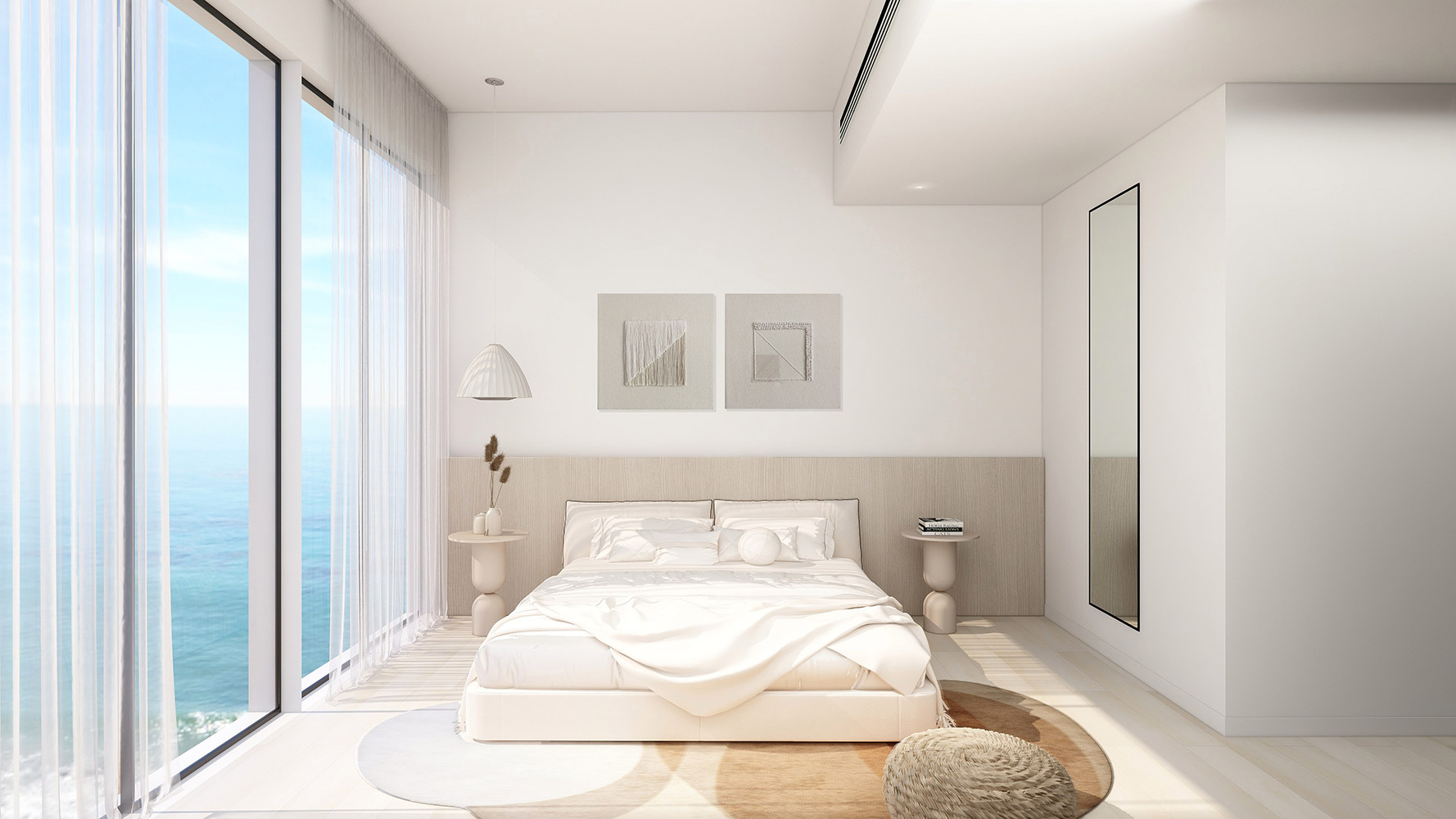
Yes, foreigners can buy property in Dubai and Ras Al Khaimah in 2026, with a robust legal framework and attractive investment propositions.
Yes, foreigners can buy property in Dubai and Ras Al Khaimah in 2026, with a robust legal framework and attractive investment propositions. Dubai property prices averaged AED 1,759/sqft in Q1 2026, up 12.5% year-on-year (Dubai Land Department). Foreign ownership is facilitated through freehold titles, with no restrictions on nationality or the number of properties one can own. In RAK, transactions reached AED 11B in Q1 2026, marking a 240% YoY increase (RAK Properties). Both emirates offer competitive mortgage rates and visa options for property investors.
Core data and context
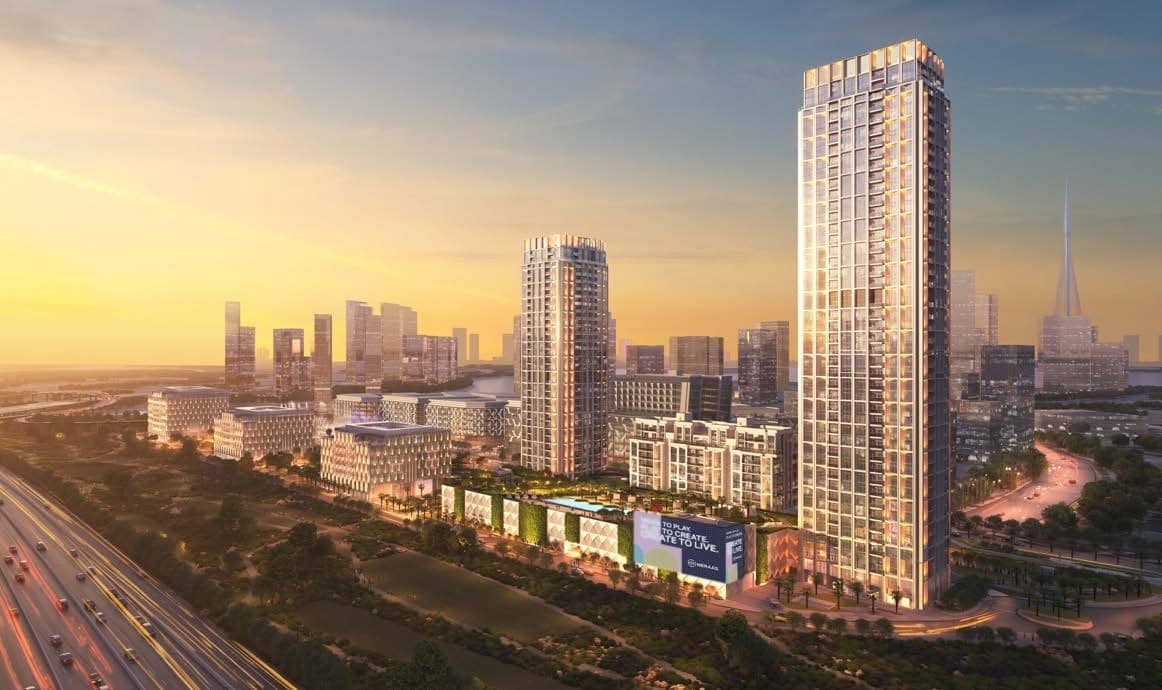
The United Arab Emirates has long been a haven for international property investors, with Dubai and Ras Al Khaimah at the forefront. Freehold ownership laws allow foreigners to own property outright in designated areas, providing a clear title deed and full ownership rights. This legal framework, combined with the emirates' strategic location, tax-free environment, and high rental yields, has made them attractive destinations for global investors.
| Area / Option | Price/sqft (AED) | Rental Yield | Capital Growth YoY |
|---|---|---|---|
| Hayat Island RAK | 800–1,100 | 6–8% | +18% (2025–2026) |
| Palm Jumeirah Dubai | 2,500–4,500 | 5–7% | +12% (2025–2026) |
| Dubai Marina | 1,200–2,200 | 6–8% | +15% (2025–2026) |
| JVC Dubai | 700–1,200 | 7–9% | +10% (2025–2026) |
| Mina Al Arab RAK | 600–900 | 7–9% | +20% (2025–2026) |
Source: Dubai Land Department, RAK Properties, ValuStrat Q1 2026
Deeper analysis / mechanics
Investors in Dubai and RAK have several options for financing their property purchases. Local banks offer mortgages to foreign buyers, with competitive rates and flexible terms. The process is streamlined, and in many cases, buyers can secure a mortgage with a down payment as low as 25%. The average mortgage rate in Dubai for foreign investors in Q1 2026 was around 4.5%, providing accessible financing options (Dubai Land Department).
Visa regulations are another draw for foreign investors. Dubai, for instance, offers a property investor visa, which grants residency to the buyer and their family if the property's value exceeds AED 1 million. This visa is renewable and allows for long-term stays in the emirate without the need for a local sponsor (RERA).
Specific locations / examples with numbers
Hayat Island in RAK, with prices ranging from AED 800 to 1,100/sqft, has seen significant capital growth of 18% between 2025 and 2026, offering an attractive investment option (ValuStrat). The island's development, with projects like Cape Hayat being 86.5% complete, is a testament to the area's growth potential (RAK Properties). Similarly, in Dubai, Palm Jumeirah has maintained high prices of AED 2,500 to 4,500/sqft, with a capital growth of 12% in the same period, reflecting its premium status and appeal to high-net-worth individuals.
Dubai Marina, a favorite among investors for its cosmopolitan lifestyle and high rental yields, has seen capital values increase by 15% YoY. Prices here range from AED 1,200 to 2,200/sqft, making it a competitive market for both short-term gains and long-term investment (Dubai Land Department). JVC, known for its affordable luxury, offers prices between AED 700 and 1,200/sqft with a healthy capital growth of 10% YoY, appealing to a broader investor base.
Risk factors / what buyers miss / bear case
While the Dubai and RAK property markets present lucrative opportunities, investors must consider potential risks. Market volatility, global economic shifts, and changes in regulations can impact property values and rental yields. For instance, in Q1 2026, while overall capital values increased by 10% in Dubai (ValuStrat), some areas faced oversupply, leading to more subdued growth or even price corrections. It's crucial for investors to conduct thorough due diligence, considering factors like location, developer reputation, and market saturation.
Another risk is the misalignment of expectations regarding rental yields and capital appreciation. While areas like Hayat Island and Mina Al Arab promise high yields, actual returns can vary based on occupancy rates and economic conditions. Investors should seek professional advice and consider diversifying their portfolios to mitigate risks.
What to do next / practical steps
For those looking to invest in Dubai or RAK, it's advisable to engage with a reputable brokerage with direct allocation on sought-after projects. Sofia Sands Realty (RERA 41793), with direct allocation on Bay Views and Hayat Island, can provide investors with exclusive access to prime properties and tailored investment strategies. Our experience in Q2 2026 transactions has shown that a well-informed and strategic approach is key to successful property investment in these dynamic markets.
Frequently Asked Questions
Are there any restrictions on the number of properties a foreigner can own in Dubai?
There are no restrictions on the number of properties a foreigner can own in Dubai. Foreigners can own multiple properties across various freehold areas (Dubai Land Department).
What is the process for obtaining a mortgage as a foreign buyer in Dubai?
The process for obtaining a mortgage in Dubai involves providing financial documentation, selecting a property, and applying for a loan with a local bank. Down payments typically range from 25% to 30%, with competitive interest rates around 4.5% (Dubai Land Department).
Can I get a visa by investing in property in Ras Al Khaimah?
Yes, Ras Al Khaimah offers a property investor visa for buyers who invest in properties above a certain value. This visa allows the investor and their family to reside in the emirate (RERA).
What are the average rental yields in Dubai Marina?
The average rental yields in Dubai Marina range from 6% to 8%, making it an attractive area for investors seeking rental income (Dubai Land Department).
How has the upcoming Wynn Al Marjan project impacted property values in Al Marjan Island?
The Wynn Al Marjan, set to open in Q1 2027, has contributed to increased interest and potential capital appreciation in Al Marjan Island, with its extensive facilities including a casino and convention centre (Wynn Al Marjan).
What is the average price per sqft for properties in JVC?
The average price per sqft for properties in JVC ranges from AED 700 to 1,200, offering more affordable luxury options for investors (Dubai Land Department).
How do I know if a property in Dubai is part of a freehold area?
Properties in designated freehold areas in Dubai are clearly marked and regulated by the Dubai Land Department. Investors can verify the freehold status of a property through the department's official channels.
What are the tax implications for foreign property owners in Dubai?
There are no property taxes for owners in Dubai, making it an attractive tax-free investment destination. However, it's advisable to consult with a tax professional to understand potential tax implications in the investor's home country.