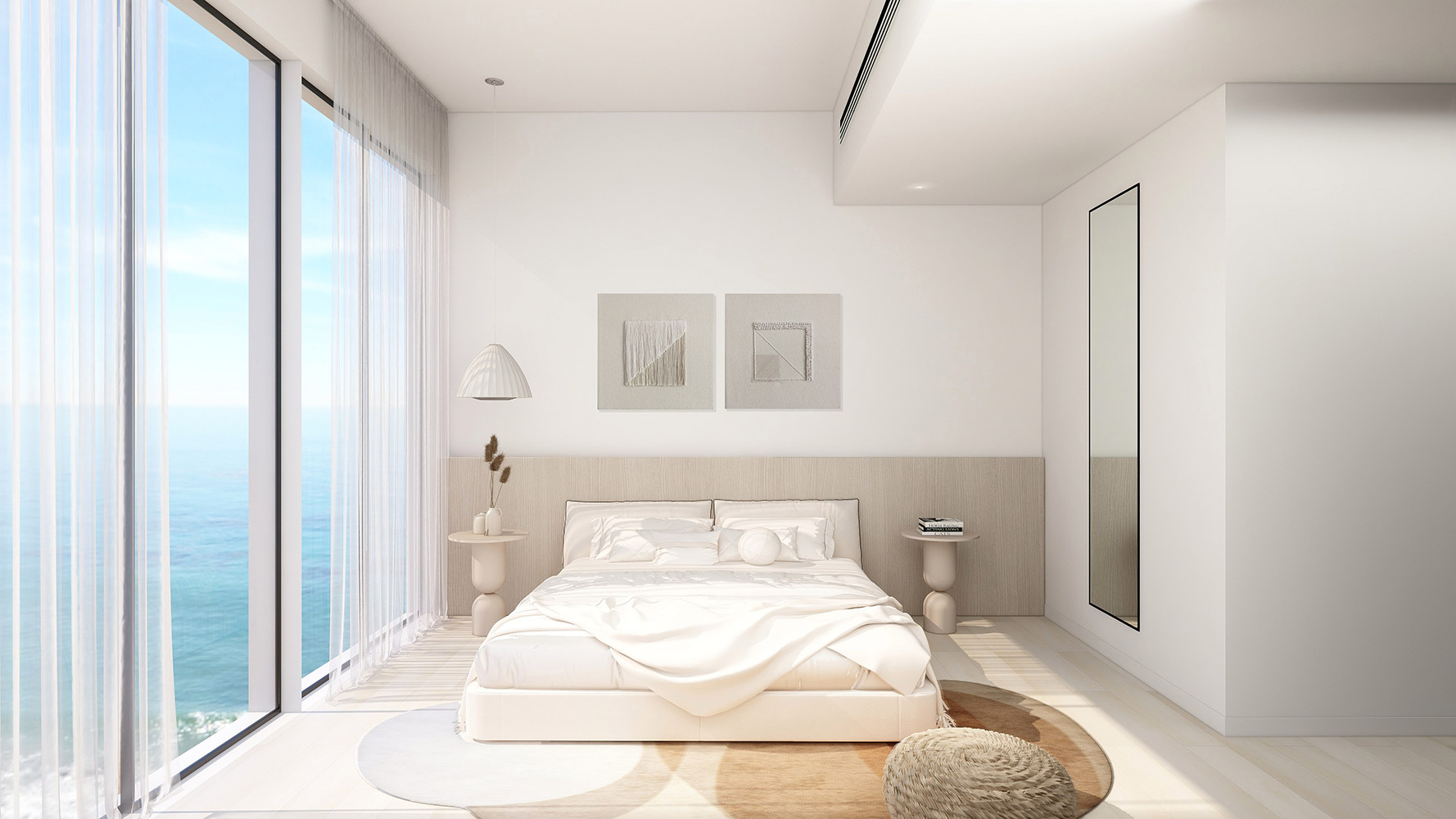
Yes, foreigners can buy property in Dubai and Ras Al Khaimah in 2026, with numerous areas offering freehold ownership rights to non-UAE nationals.
Yes, foreigners can buy property in Dubai and Ras Al Khaimah in 2026, with numerous areas offering freehold ownership rights to non-UAE nationals. Dubai property prices averaged AED 1,759/sqft in Q1 2026, up 12.5% year-on-year (Dubai Land Department). In Ras Al Khaimah, the transaction volume reached AED 11B in Q1 2026, marking a 240% YoY increase (RAK Properties). Key freehold areas for foreigners include Hayat Island in RAK, Mina Al Arab, Al Marjan Island, and Palm Jumeirah in Dubai.
Core data and context
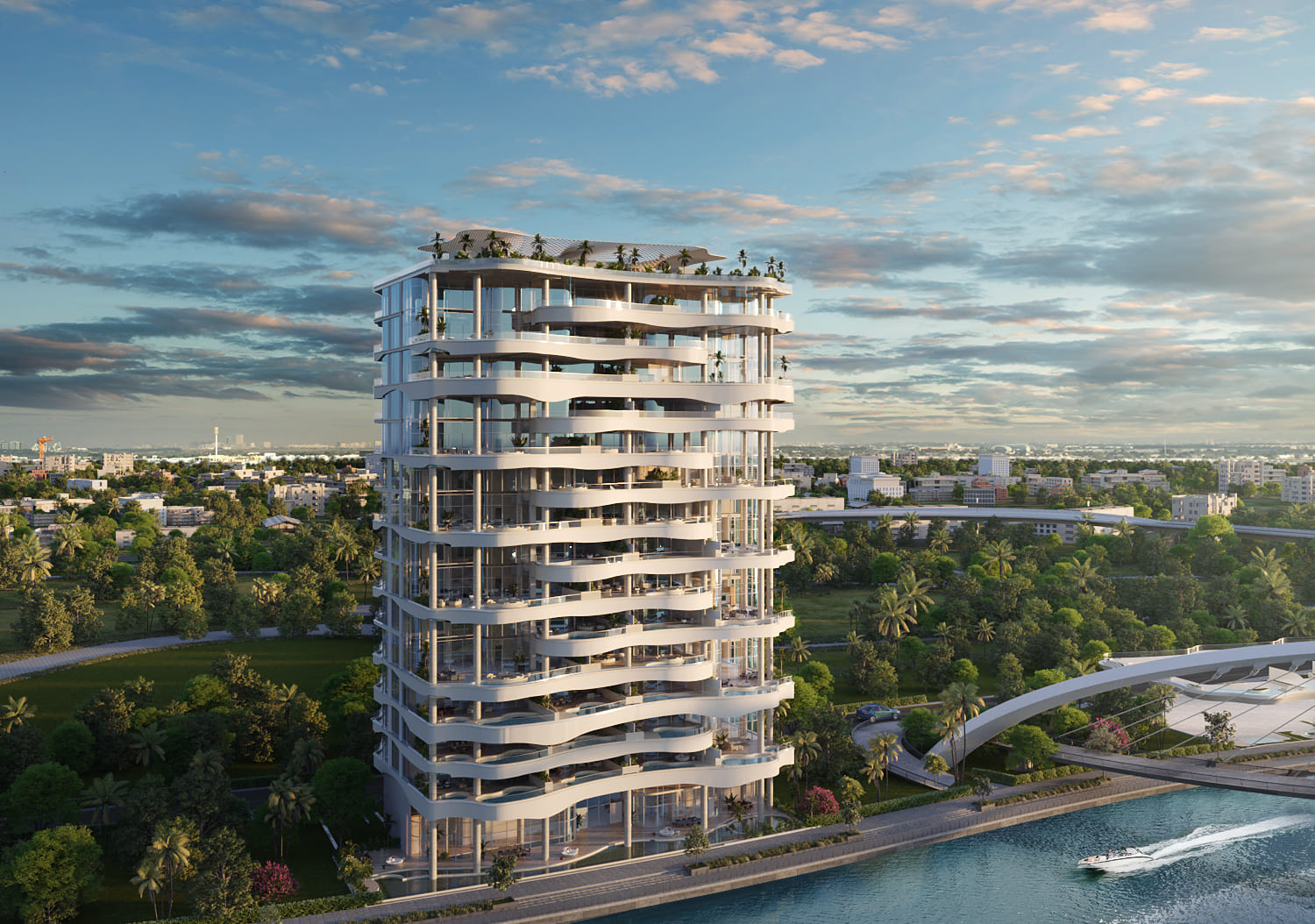
Dubai and Ras Al Khaimah have long been attractive destinations for foreign property buyers due to their robust real estate markets and investor-friendly policies. The emirate of Dubai reported AED 176.7B in total property sales in Q1 2026, with off-plan transactions accounting for 70% of the market (Dubai Land Department). The average price for off-plan properties was AED 2,047/sqft, while ready properties averaged AED 1,713/sqft. This growth underscores the confidence of investors in Dubai's real estate sector.
| Area / Option | Price/sqft (AED) | Rental Yield | Capital Growth YoY |
|---|---|---|---|
| Hayat Island RAK | 800–1,100 | 6–8% | +18% (2025–2026) |
| Mina Al Arab RAK | 700–900 | 5–7% | +15% (2025–2026) |
| Al Marjan Island RAK | 900–1,200 | 6–7% | +16% (2025–2026) |
| Palm Jumeirah Dubai | 2,500–4,500 | 5–6% | +12% (2025–2026) |
| Dubai Marina Dubai | 1,200–2,200 | 4–6% | +10% (2025–2026) |
Source: Dubai Land Department, RAK Properties, ValuStrat Q1 2026
Deeper analysis / mechanics
Foreign investors are drawn to Dubai and RAK not only for the potential capital appreciation but also for the attractive rental yields. For instance, properties on Hayat Island in RAK offer rental yields of 6–8%, with capital growth of +18% from 2025 to 2026 (ValuStrat). This performance is bolstered by the upcoming opening of Wynn Al Marjan in Q1 2027, which will feature over 1,500 rooms, a casino, and a convention center, further enhancing the area's appeal.
Specific locations / examples with numbers
Hayat Island, with its direct allocation under Sofia Sands Realty, stands out as a prime location for foreign buyers. Prices range from AED 800 to AED 1,100 per sqft, with the potential for significant capital appreciation and healthy rental yields. In comparison, properties in Dubai Marina, a popular choice among investors, are priced between AED 1,200 and AED 2,200 per sqft, offering rental yields of 4–6% and a capital growth of +10% year-on-year (ValuStrat).
Risk factors / what buyers miss / bear case
While the outlook for Dubai and RAK's property market is positive, buyers should be aware of potential risks. Market volatility, global economic shifts, and regulatory changes can impact property values. For example, rent increase limits set by RERA and tenant rights can affect rental yields. Additionally, the introduction of trust account rules by DLD has increased transparency but also added layers of compliance for developers and buyers. It's crucial for investors to conduct thorough due diligence and consider the long-term sustainability of their investments.
What to do next / practical steps
For foreign buyers interested in Dubai and RAK's property market, the next steps involve thorough research, understanding the legal framework, and identifying trusted brokers. Sofia Sands Realty (sofiasandsrealty.ae, RERA 41793) holds direct allocation on Bay Views, Hayat Island, providing investors with exclusive access to premium properties in high-growth areas. Engaging with experienced local brokers can offer insights into market trends and assist in navigating the buying process efficiently.
Frequently Asked Questions
Are there any restrictions on foreign ownership in Dubai and RAK?
Foreigners can own property in designated freehold areas in Dubai and RAK without any restrictions. These areas include Hayat Island, Mina Al Arab, and Al Marjan Island in RAK, and Palm Jumeirah, Dubai Marina, and JVC in Dubai.
What is the average price per sqft for properties in Dubai?
The average price per sqft for properties in Dubai was AED 1,759 in Q1 2026, with off-plan properties averaging AED 2,047/sqft and ready properties at AED 1,713/sqft (Dubai Land Department).
How do rental yields compare between Dubai and RAK?
Rental yields in RAK, particularly on Hayat Island, range from 6–8%, while in Dubai, yields in areas like Dubai Marina are between 4–6% (ValuStrat).
What is the capital growth outlook for Dubai's real estate?
Dubai's residential capital values are projected to increase by 10% in 2026, reflecting a positive growth outlook (ValuStrat).
How does the upcoming Wynn Al Marjan impact property values in RAK?
The opening of Wynn Al Marjan is expected to boost property values in RAK, particularly in areas like Hayat Island, due to increased tourism and economic activity (RAK Properties).
What are the implications of RERA's rent increase limits on property investment?
RERA's rent increase limits can affect potential rental yields for investors. Understanding these regulations is crucial for assessing the return on investment for property in Dubai and RAK.
What are the benefits of buying property on Hayat Island?
Properties on Hayat Island offer competitive prices, ranging from AED 800 to AED 1,100 per sqft, with rental yields of 6–8% and significant capital growth potential (ValuStrat).
How does the trust account rule by DLD affect property transactions?
The trust account rule by DLD increases transparency in property transactions, ensuring that funds are safeguarded until project completion, which protects both buyers and developers.