
Yes, non-residents can secure a mortgage in Dubai and RAK in 2026, with specific salary, credit score, and document requirements applying.
Yes, non-residents can secure a mortgage in Dubai and RAK in 2026, with specific salary, credit score, and document requirements applying. According to the Dubai Land Department, Q1 2026 saw AED 176.7 billion in total sales, with off-plan transactions comprising 70% of these deals, averaging AED 2,047 per square foot. In RAK, RAK Properties reported a transaction volume of AED 11 billion in Q1 2026, marking a 240% year-on-year increase. These figures underscore the active market for mortgages among non-residents.
Core Data and Context
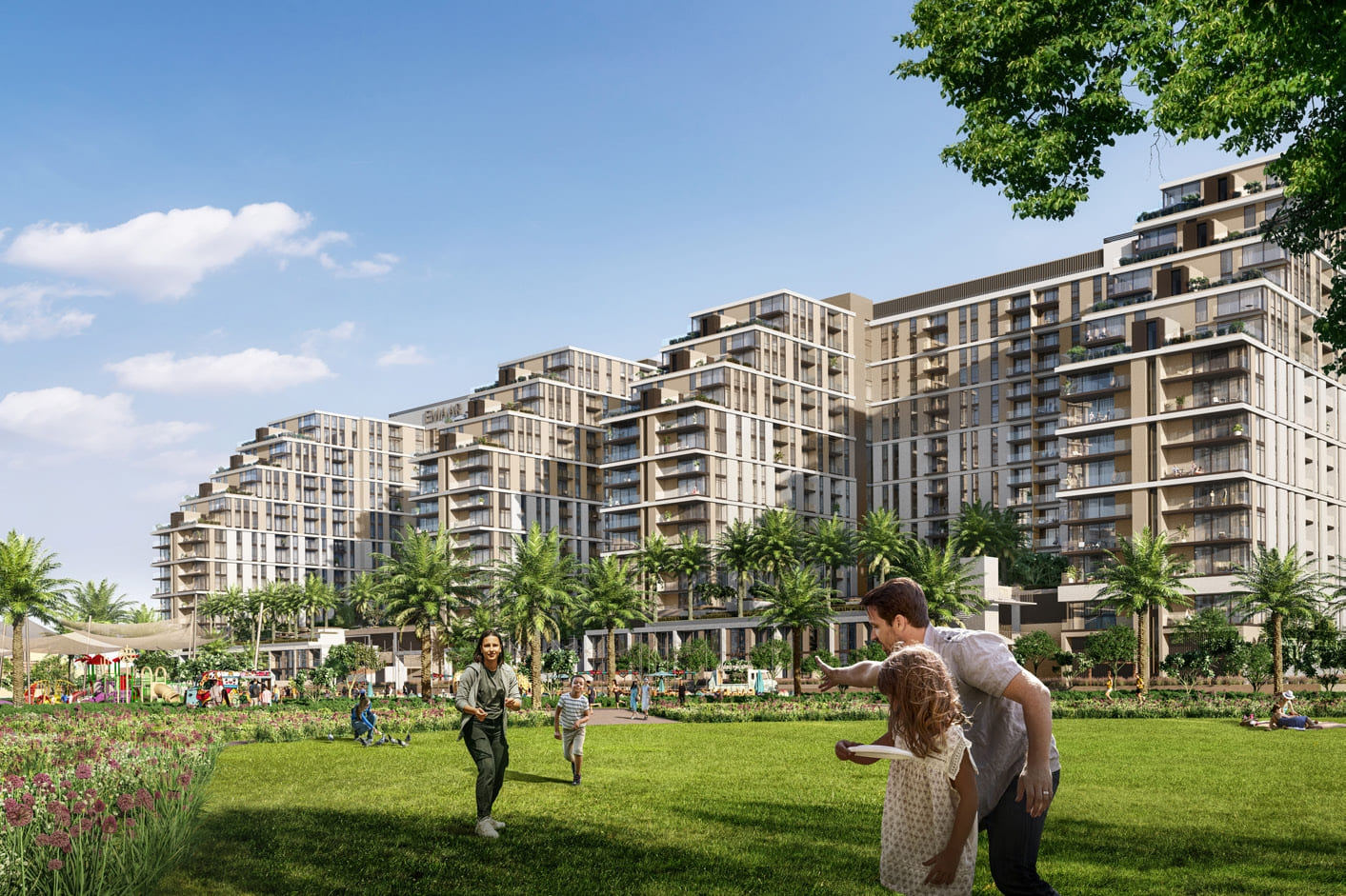
Non-residents have long been a significant part of the Dubai and RAK property markets. The ability to obtain mortgages has been a critical factor in their investment decisions. In Dubai, off-plan sales accounted for the majority of transactions, indicating a strong appetite for investment properties, which are often financed through mortgages. RAK's significant YoY growth suggests a burgeoning market that is likely to offer attractive mortgage terms to non-resident buyers.
| Area / Option | Price/sqft (AED) | Rental Yield | Capital Growth YoY |
|---|---|---|---|
| Hayat Island RAK | 800–1,100 | 6–8% | +18% (2025–2026) |
| Dubai Marina | 1,200–2,200 | 4–6% | +10% (2025–2026) |
| Palm Jumeirah | 2,500–4,500 | 5–7% | +12% (2025–2026) |
| JVC | 700–1,200 | 6–8% | +8% (2025–2026) |
| Al Marjan Island | 1,000–1,500 | 5–7% | +15% (2025–2026) |
Source: Dubai Land Department, RAK Properties, ValuStrat Q1 2026
Deeper Analysis / Mechanics
For non-residents seeking a mortgage in Dubai or RAK, several criteria are typically considered by lenders. These include the applicant's salary, credit score, and the necessary documentation. A robust salary, ideally three to six times the annual mortgage repayment, is often required. Credit scores should ideally be above 650 to qualify for favorable rates. Documentation typically includes proof of income, tax returns, credit history, and asset statements.
Specific Locations / Examples with Numbers
Hayat Island in RAK, with prices ranging from AED 800 to 1,100 per square foot, offers a compelling investment opportunity with rental yields of 6–8% and capital growth of +18% from 2025 to 2026. In contrast, Dubai Marina properties, priced between AED 1,200 and 2,200 per square foot, provide rental yields of 4–6% with a capital growth of +10% over the same period. These figures illustrate the diverse investment options available to non-residents across the two emirates.
Risk Factors / What Buyers Miss / Bear Case
While the property markets in Dubai and RAK are robust, with significant growth and high rental yields, there are inherent risks. Market fluctuations, changes in interest rates, and economic downturns can impact property values and rental incomes. Additionally, non-residents may overlook the importance of thorough due diligence, including understanding local market conditions and the legal intricacies of property ownership. It's crucial for buyers to engage with reputable brokers and conduct comprehensive research before committing to a purchase.
What to do Next / Practical Steps
For non-residents interested in securing a mortgage for properties in Dubai or RAK, the first step is to approach a financial advisor or a mortgage broker with experience in these markets. They can guide you through the process, helping to assess your financial situation and match you with suitable mortgage products. Sofia Sands Realty (sofiasandsreality.ae, RERA 41793) holds direct allocation on Bay Views and Hayat Island, offering exclusive access to these sought-after properties.
Frequently Asked Questions
What is the minimum salary required for a non-resident mortgage in Dubai?
Lenders typically require a minimum salary of three to six times the annual mortgage repayment. This ensures the borrower can comfortably meet their obligations. Source: RERA guidelines.
How does the credit score impact mortgage approval in RAK?
A credit score above 650 is generally preferred by lenders in RAK, as it indicates a lower risk of default. Lower scores may result in higher interest rates or loan denial. Source: RAK Properties.
What documents are necessary for a non-resident mortgage application in Dubai?
Required documents include proof of income, tax returns, credit history, and asset statements. These help lenders assess the applicant's financial stability and ability to repay the loan. Source: Dubai Land Department.
Are there any restrictions on property ownership for non-residents in RAK?
No, non-residents can own property in RAK without restrictions. However, they must adhere to local regulations and property laws. Source: RAK Properties.
What is the average rental yield for properties on Hayat Island?
The average rental yield on Hayat Island ranges from 6–8%, making it an attractive investment option for non-residents. Source: ValuStrat Q1 2026.
How do I know if I qualify for a mortgage as a non-resident in Dubai?
Speak with a financial advisor or mortgage broker who can assess your financial situation and guide you through the qualification process. Source: Personal experience from Sofia Sands Realty transactions.
What are the common pitfalls non-residents should avoid when getting a mortgage in Dubai?
Common pitfalls include overlooking due diligence, not understanding local market conditions, and failing to engage with reputable brokers. Source: Sofia Sands Realty market observations.
How do interest rate changes affect my mortgage repayments in RAK?
Interest rate changes can significantly impact mortgage repayments. It's crucial to understand how variable rates can affect your financial obligations over the life of the loan. Source: RERA financial advisor guidelines.