
Non-residents can indeed secure a mortgage in Dubai and Ras Al Khaimah, with eligibility rules that have been relaxed to attract foreign investment.
Non-residents can indeed secure a mortgage in Dubai and Ras Al Khaimah, with eligibility rules that have been relaxed to attract foreign investment. In Q1 2026, Dubai property prices averaged AED 1,759/sqft, up 12.5% year-on-year (Dubai Land Department). This growth, coupled with the attractive mortgage terms, makes the emirate and RAK a compelling proposition for international buyers. However, the specific terms and conditions vary by lender and depend on the buyer's financial standing.
Core data and context
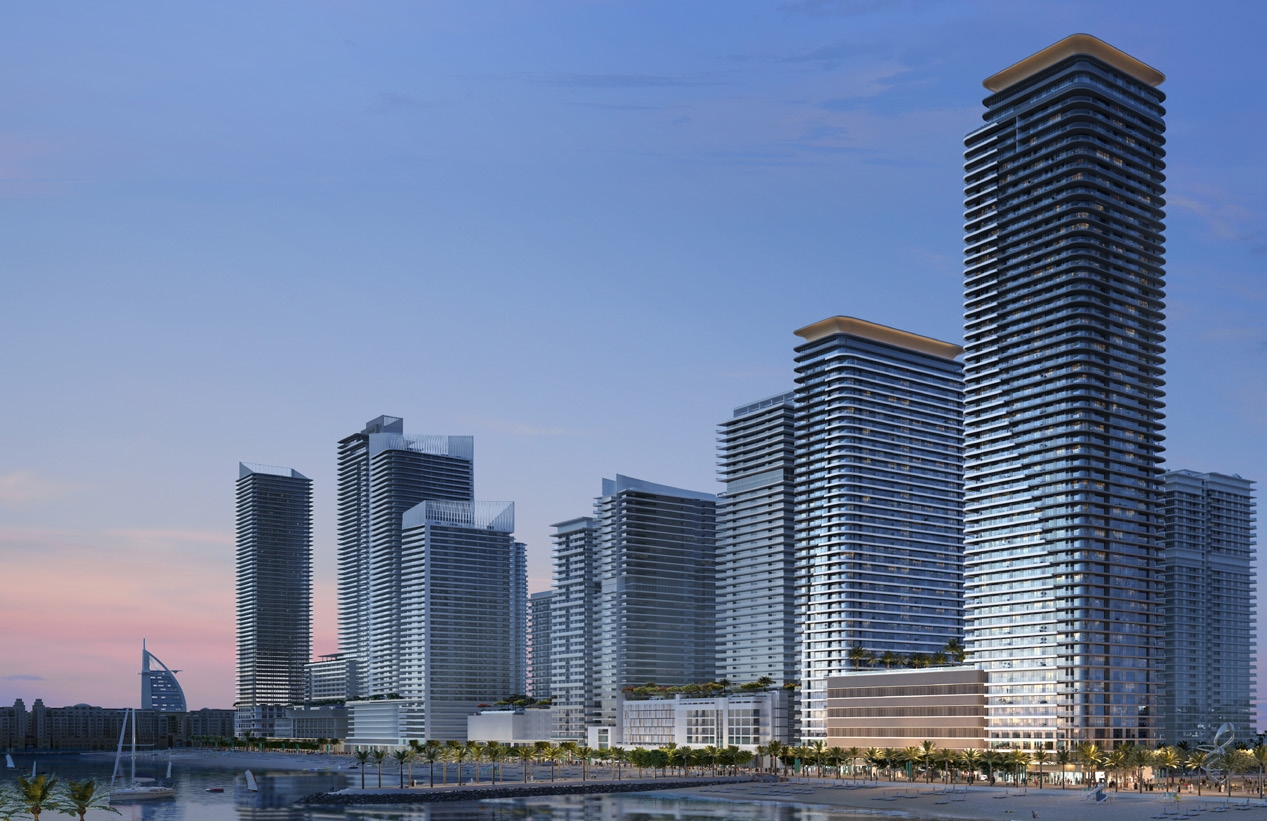
International investors have long been drawn to the robust real estate markets of Dubai and Ras Al Khaimah, where non-resident mortgages are not only available but have become increasingly accessible. The Dubai Land Department reported a total of AED 176.7 billion in property sales for Q1 2026, with off-plan transactions accounting for 70% of these transactions, averaging AED 2,047/sqft (DLD). This indicates a vibrant market where non-residents are actively participating.
| Area / Option | Price/sqft (AED) | Rental Yield | Capital Growth YoY |
|---|---|---|---|
| Hayat Island RAK | 800–1,100 | 6–8% | +18% (2025–2026) |
| Dubai Marina | 1,200–2,200 | 4–6% | +12% (2025–2026) |
| JVC | 700–1,200 | 6–7% | +10% (2025–2026) |
| Palm Jumeirah | 2,500–4,500 | 5–7% | +15% (2025–2026) |
| Business Bay | 1,000–1,800 | 5–6% | +11% (2025–2026) |
Source: Dubai Land Department, RAK Properties, ValuStrat Q1 2026
Deeper analysis / mechanics
Mortgage eligibility for non-residents in Dubai and RAK is determined by several factors, including credit history, income stability, and the property's value. Lenders typically offer loans up to 75% of the property value, with interest rates ranging from 3.99% to 5.5% (DLD). The loan tenure can extend up to 25 years, allowing buyers to spread their payments over a longer period, which can be beneficial in managing cash flow.
Banks and financial institutions in the UAE have tailored their mortgage products to cater to the non-resident demographic. These products often come with competitive rates and flexible terms, reflecting the dynamic nature of the real estate market and the need to attract foreign capital. The availability of such financing options has been a key driver behind the significant year-on-year increase in transactions, as noted by RAK Properties with a 240% increase in Q1 2026 compared to the previous year.
Specific locations / examples with numbers
Investors looking to secure a mortgage for properties in prime locations such as Hayat Island, Mina Al Arab, and Al Marjan Island can expect different price points and growth prospects. For instance, Hayat Island in RAK, with prices ranging from AED 800 to AED 1,100 per square foot, has seen a capital growth of 18% between 2025 and 2026 (ValuStrat). This growth, coupled with a rental yield of 6–8%, makes it an attractive investment destination for non-residents seeking both capital appreciation and rental income.
Similarly, properties in Dubai Marina, known for its luxury living and prime location, offer a different set of investment metrics. With prices between AED 1,200 and AED 2,200 per square foot, investors can expect a rental yield of 4–6% and a capital growth of 12% year-on-year (ValuStrat). These figures underscore the importance of location in determining the potential returns on investment.
Risk factors / what buyers miss / bear case
While the allure of securing a mortgage in Dubai and RAK is strong, it is crucial for non-resident buyers to be aware of potential risks. Market fluctuations, changes in regulations, and economic downturns can impact property values and rental yields. For instance, the global economic slowdown could affect tenant demand and, consequently, rental income. Additionally, currency fluctuations can impact the repayment of mortgages denominated in AED for non-residents earning in other currencies.
Another factor often overlooked by buyers is the importance of due diligence on property management and maintenance fees, which can vary significantly between developments. High fees can erode rental yields and impact the overall return on investment. It is also essential to consider the liquidity of the property market, as the ease of selling the property can be a critical factor in realizing capital gains.
What to do next / practical steps
For non-residents considering a mortgage in Dubai or RAK, the first step is to assess their financial situation and determine their budget. Engaging with a reputable brokerage like Sofia Sands Realty (RERA 41793), which holds direct allocation on Bay Views and Hayat Island, can provide valuable insights into the market and assist in identifying properties that align with investment goals.
It is also advisable to consult with financial advisors and legal experts to understand the tax implications and legal requirements associated with property ownership in the UAE. By taking a comprehensive approach, non-resident buyers can navigate the mortgage process with confidence and make informed decisions that align with their long-term investment strategies.
Frequently Asked Questions
What is the maximum loan-to-value ratio for non-residents in Dubai?
Non-residents can secure loans up to 75% of the property value in Dubai, according to the Dubai Land Department (DLD).
Do I need to have a UAE bank account to get a mortgage in Dubai?
No, a UAE bank account is not mandatory, but it is beneficial for managing mortgage repayments and other property-related transactions.
What is the average interest rate for non-resident mortgages in RAK?
The interest rates for non-resident mortgages in RAK range from 3.99% to 5.5%, as reported by the Dubai Land Department (DLD).
Can I get a mortgage for an off-plan property in Dubai?
Yes, off-plan properties are eligible for mortgages, and they accounted for 70% of transactions in Q1 2026, according to the Dubai Land Department (DLD).
How long can I take to repay a mortgage in Dubai as a non-resident?
The loan tenure can extend up to 25 years for non-residents in Dubai, allowing for longer repayment periods.
Are there any restrictions on the type of property I can buy with a mortgage in RAK?
No, there are no specific restrictions on the type of property that can be purchased with a mortgage in RAK, but it is advisable to check with the lender for any specific requirements.
What documents do I need to apply for a mortgage as a non-resident in Dubai?
You will need to provide proof of income, credit history, passport copies, and other financial documents as required by the lender.
How do I choose the right bank for a mortgage in Dubai?
Consider factors such as interest rates, loan terms, customer service, and the bank's reputation when choosing a mortgage provider in Dubai.