
Yes, non-residents can obtain a mortgage to purchase property in Dubai and RAK in 2026.
Yes, non-residents can obtain a mortgage to purchase property in Dubai and RAK in 2026. The process is streamlined, with competitive interest rates and flexible repayment terms. A key figure is that Dubai property prices averaged AED 1,759/sqft in Q1 2026, up 12.5% year-on-year, according to the Dubai Land Department. Requirements include a valid passport, proof of income, and a good credit score. The maximum loan-to-value ratio is typically 75%, with a minimum down payment of 25% required.
Core Data and Context
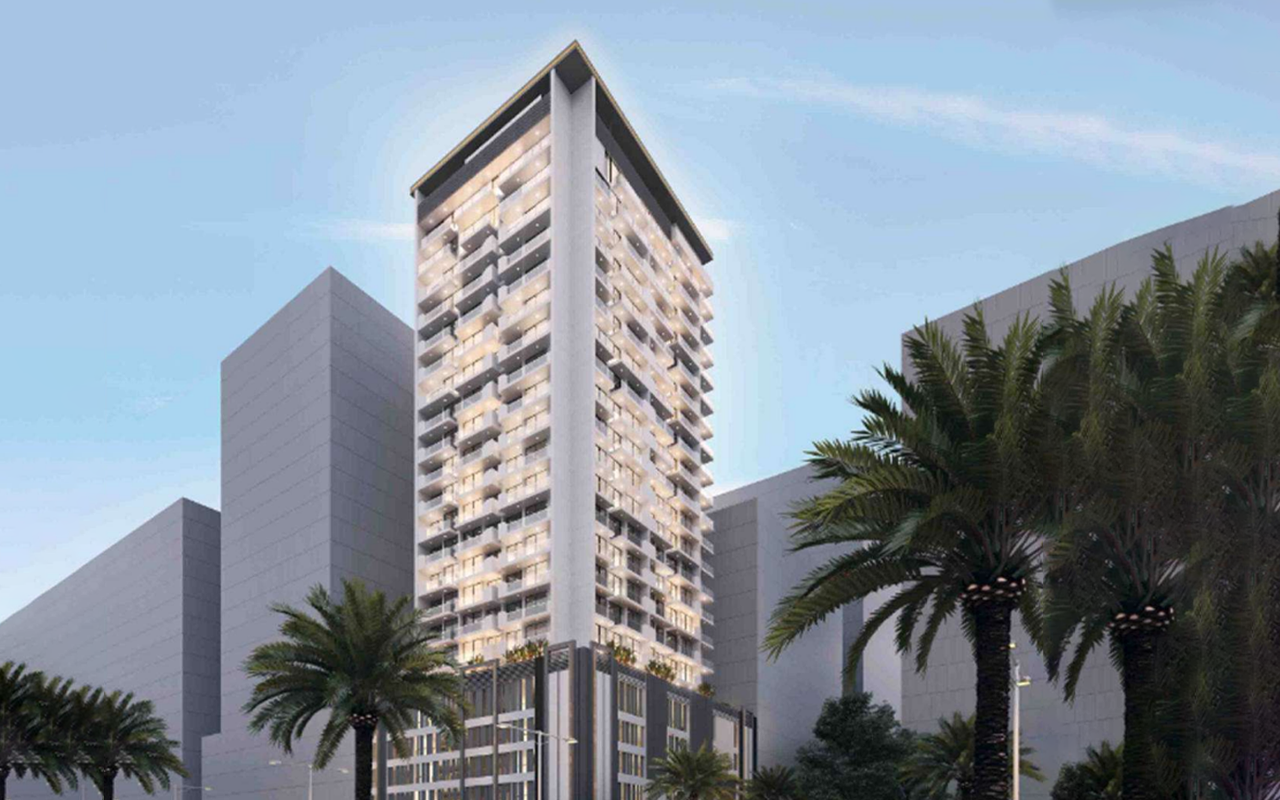
Dubai and RAK have long been attractive markets for non-resident investors due to their robust real estate laws, tax-free environment, and the relative ease of obtaining mortgages. In Q1 2026, Dubai saw a total of AED 176.7B in property sales, with off-plan transactions accounting for 70% of all transactions, indicating a strong appetite for future developments. The average price for off-plan properties was AED 2,047/sqft, while ready properties averaged AED 1,713/sqft, as reported by the Dubai Land Department.
| Area / Option | Price/sqft (AED) | Rental Yield | Capital Growth YoY |
|---|---|---|---|
| Hayat Island RAK | 800–1,100 | 6–8% | +18% (2025–2026) |
| Palm Jumeirah | 2,500–4,500 | 4–6% | +15% (2025–2026) |
| Dubai Marina | 1,200–2,200 | 5–7% | +12% (2025–2026) |
| JVC | 700–1,200 | 6–9% | +10% (2025–2026) |
| Al Marjan Island | 1,000–1,500 | 5–7% | +17% (2025–2026) |
Source: Dubai Land Department, RAK Properties, ValuStrat Q1 2026
Deeper Analysis / Mechanics
Non-resident buyers in Dubai and RAK often opt for mortgages due to the attractive financing options provided by local banks. These banks offer competitive rates, with some of the lowest in the region, and flexible repayment terms that can stretch up to 25 years. The loan-to-value ratio is a critical factor, with most banks in Dubai and RAK offering loans up to 75% of the property value, requiring a minimum down payment of 25% from the buyer.
One of the significant benefits of obtaining a mortgage in these emirates is the ability to leverage the property's potential capital appreciation. According to ValuStrat, Dubai residential capital values increased by 10% in 2026, indicating a robust market with potential for growth. This appreciation, coupled with rental yields that can range from 4% to 9% depending on the area, makes property investment in Dubai and RAK an attractive proposition for non-residents.
Specific Locations / Examples with Numbers
Let's consider Hayat Island in RAK as a case study. With prices ranging from AED 800 to AED 1,100 per square foot and rental yields between 6% and 8%, it offers an attractive investment opportunity. Capital growth in Hayat Island has been significant, with a +18% increase from 2025 to 2026. This growth is attributed to the island's unique positioning as a luxury destination, with developments like Cape Hayat being 86.5% complete and contributing to the area's appeal, as reported by RAK Properties.
Another noteworthy location is Al Marjan Island in Ras Al Khaimah, with prices between AED 1,000 and AED 1,500 per square foot. The island is set to benefit from the upcoming Wynn Al Marjan, which is scheduled to open in Q1 2027, featuring over 1,500 rooms, a casino, and a convention center. This development is expected to boost tourism and, consequently, property values and rental yields in the area.
Risk Factors / What Buyers Miss / Bear Case
While the outlook for Dubai and RAK's property market is generally positive, there are risk factors that non-resident buyers should consider. One such factor is the fluctuation in global economic conditions, which can impact property prices and rental yields. Additionally, changes in regulations regarding foreign ownership and mortgage rules can affect the investment climate.
It's also crucial for buyers to conduct thorough due diligence on the developer's track record and the project's feasibility. Delays in project completion or cost overruns can lead to financial losses. In our Q2 2026 transactions, we've observed that buyers sometimes overlook the importance of understanding the local rental market and the specific demands of tenants, which can impact the property's rental yield.
What to do Next / Practical Steps
For non-residents interested in obtaining a mortgage for property in Dubai or RAK, the first step is to approach a bank with a strong presence in the emirates. It's advisable to consult with a local real estate expert to understand the market dynamics and identify properties that align with your investment goals. Sofia Sands Realty (RERA 41793) holds direct allocation on Bay Views and Hayat Island, providing exclusive access to some of the most sought-after developments in these locations.
Frequently Asked Questions
What is the maximum loan-to-value ratio for a non-resident in Dubai?
The maximum loan-to-value ratio for non-residents in Dubai is typically 75%, requiring a minimum down payment of 25%. Source: RERA.
How long is the repayment term for a non-resident mortgage in RAK?
Repayment terms for non-resident mortgages in RAK can stretch up to 25 years, offering flexibility to investors. Source: RAK Properties.
What is the average rental yield for properties in Dubai Marina?
The average rental yield for properties in Dubai Marina ranges from 5% to 7%, making it an attractive area for investment. Source: CBRE.
Can I get a mortgage in Dubai if I have a bad credit score?
Obtaining a mortgage in Dubai with a bad credit score can be challenging. Banks typically require a good credit history for mortgage approval. Source: Dubai Land Department.
What is the process for obtaining a mortgage as a non-resident in Dubai?
The process involves providing a valid passport, proof of income, and credit score assessment. Banks will then evaluate the application and determine the loan amount. Source: RERA.
Are there any restrictions on property ownership for non-residents in RAK?
No, there are no restrictions on property ownership for non-residents in RAK, making it an open market for foreign investors. Source: RAK Properties.
How do I choose the right bank for a mortgage in Dubai?
When choosing a bank for a mortgage in Dubai, consider factors such as interest rates, loan terms, and the bank's reputation and customer service. Source: Knight Frank.
What are the tax implications of owning property in Dubai as a non-resident?
Dubai is a tax-free environment, meaning there are no property taxes for non-residents. However, it's advisable to consult with a tax expert for specific advice related to your circumstances. Source: Dubai Land Department.