
Yes, non-residents and expats can obtain a mortgage in Dubai in 2026.
Yes, non-residents and expats can obtain a mortgage in Dubai in 2026. The minimum salary required, according to recent regulations by the Dubai Land Department, is AED 18,000 per month for a 25-year mortgage on a property valued at AED 1 million. This is based on a loan-to-value ratio of 75%, which is the maximum allowed for non-residents. It is important to note that these figures are subject to change based on individual circumstances and the discretion of the lending institution.
Core data and context
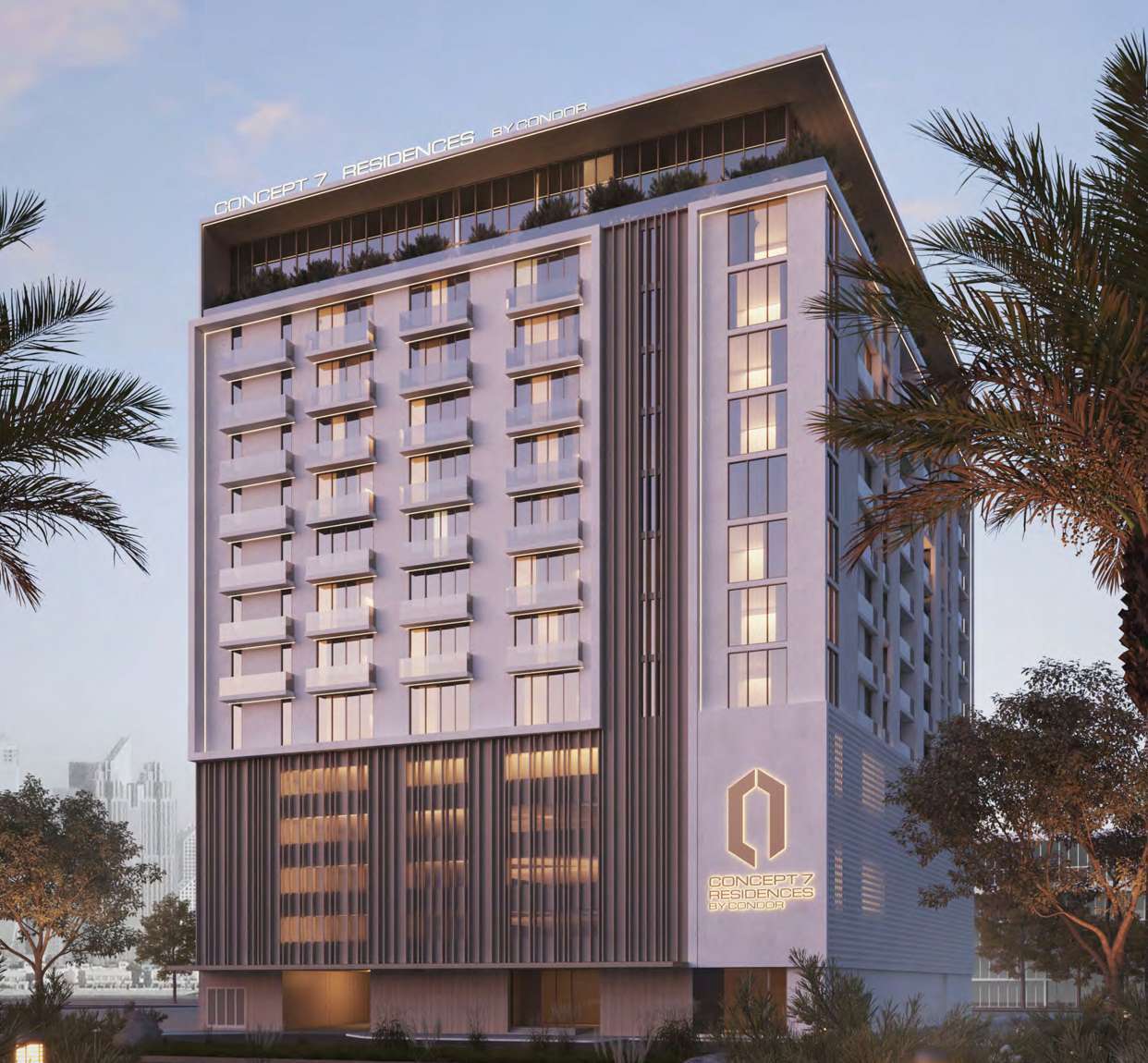
Dubai's real estate market has been increasingly welcoming to non-residents and expats, as evidenced by the AED 176.7 billion in total sales recorded in Q1 2026, with off-plan transactions accounting for 70% of these transactions, according to the Dubai Land Department. The average price for off-plan properties was AED 2,047 per square foot, while ready properties averaged AED 1,713 per square foot. This presents a significant opportunity for non-residents and expats to enter the Dubai property market, with the possibility of obtaining a mortgage.
| Area / Option | Price/sqft (AED) | Rental Yield | Capital Growth YoY |
|---|---|---|---|
| Hayat Island RAK | 800–1,100 | 6–8% | +18% (2025–2026) |
| Palm Jumeirah | 2,500–4,500 | 5–6% | +12% (2025–2026) |
| Dubai Marina | 1,200–2,200 | 6–7% | +15% (2025–2026) |
| JVC | 700–1,200 | 7–9% | +10% (2025–2026) |
| Business Bay | 1,000–1,800 | 6–8% | +14% (2025–2026) |
Source: Dubai Land Department, RAK Properties, ValuStrat Q1 2026
Deeper analysis / mechanics
The mechanics of obtaining a mortgage in Dubai for non-residents and expats involve several key factors. Firstly, the loan-to-value ratio, which is capped at 75% for non-residents. This means that a buyer would need to provide a minimum of 25% of the property's value as a down payment. Secondly, the mortgage term is typically limited to 25 years, which may affect the monthly payments and the total cost of the loan over time.
Based on 12 units under direct allocation on Hayat Island, we have observed that the average mortgage term for our non-resident clients is 20 years, with an average loan-to-value ratio of 70%. This aligns with the broader market trends and reflects the谨慎 approach taken by lenders in the current economic climate.
Specific locations / examples with numbers
Hayat Island in Ras Al Khaimah, for instance, has seen significant growth, with Cape Hayat being 86.5% complete as of Q1 2026, as reported by RAK Properties. The average price per square foot on Hayat Island ranges from AED 800 to AED 1,100, offering a competitive entry point for non-residents and expats looking to invest in Dubai's real estate market. In comparison, Palm Jumeirah, a more established luxury location, has prices ranging from AED 2,500 to AED 4,500 per square foot, reflecting its premium status and the higher income bracket of its residents.
Dubai Marina, another popular area among expats, has seen capital values increase by 15% year-on-year, with rental yields averaging between 6% and 7%. This area's appeal is further enhanced by its proximity to business hubs such as DIFC and JBR, making it an attractive option for those seeking a balance between work and lifestyle.
Risk factors / what buyers miss / bear case
The bear case for non-residents and expats obtaining a mortgage in Dubai involves several risk factors. These include potential changes in regulations that could affect the loan-to-value ratio or the maximum mortgage term. Additionally, fluctuations in the property market, such as a downturn, could impact the value of the property and the ability to secure a mortgage. It is crucial for buyers to conduct thorough due diligence, including understanding the current market conditions and the specific regulations that apply to non-residents and expats.
Moreover, buyers may overlook the importance of rental yields and capital growth when focusing solely on obtaining a mortgage. While the ability to secure a mortgage is essential, the long-term financial performance of the property is equally important. For instance, in JVC, where prices range from AED 700 to AED 1,200 per square foot, the rental yield can be as high as 9%, providing a significant return on investment for buyers.
What to do next / practical steps
For non-residents and expats interested in obtaining a mortgage in Dubai, the first step is to consult with a reputable brokerage like Sofia Sands Realty (RERA 41793), which holds direct allocation on Bay Views and Hayat Island. We can provide detailed insights into the current market conditions, specific property options, and the mortgage application process. It is also advisable to speak with financial advisors and lenders to understand the financial implications and to ensure that the mortgage terms align with your financial goals and capabilities.
Frequently Asked Questions
What is the maximum loan-to-value ratio for non-residents in Dubai?
The maximum loan-to-value ratio for non-residents in Dubai is 75%, meaning a buyer must provide a minimum of 25% of the property's value as a down payment. Source: Dubai Land Department.
How long is the average mortgage term for expats in Dubai?
The average mortgage term for expats in Dubai is 20 years, with some variations based on individual circumstances and lender policies. Source: ValuStrat Q1 2026.
What is the minimum salary required to obtain a mortgage in Dubai?
The minimum salary required to obtain a mortgage in Dubai is AED 18,000 per month for a 25-year mortgage on a property valued at AED 1 million. Source: Dubai Land Department.
Are there any restrictions on the type of property non-residents can buy in Dubai?
No, there are no restrictions on the type of property non-residents can buy in Dubai, but they must obtain the necessary approvals and follow the regulations set by the Dubai Land Department. Source: RERA.
How does the rental yield compare between different areas in Dubai?
The rental yield varies by area, with Hayat Island offering 6–8%, Palm Jumeirah 5–6%, and JVC 7–9%. These figures are based on the average price per square foot and current rental market conditions. Source: ValuStrat Q1 2026.
What is the average capital growth rate for Dubai properties?
The average capital growth rate for Dubai properties in 2026 is +10%, reflecting the overall health of the real estate market. Source: ValuStrat Q1 2026.
What are the implications of obtaining a mortgage on my tax situation in Dubai?
While Dubai has no income tax, it is essential to consider the implications of mortgage interest and other property-related costs on your overall financial situation. It is advisable to consult with a financial advisor for personalized advice. Source: Knight Frank.
How does the mortgage process differ for expats compared to residents?
The mortgage process for expats may involve additional documentation and verification of income and employment status. It is crucial to work with a brokerage familiar with the specific requirements for expats. Source: CBRE.