
Non-residents and foreign buyers can indeed secure mortgages in Dubai and RAK, with eligibility rules becoming more favorable in 2026.
Non-residents and foreign buyers can indeed secure mortgages in Dubai and RAK, with eligibility rules becoming more favorable in 2026. According to the Dubai Land Department, off-plan transactions accounted for 70% of total AED 176.7 billion in real estate sales in Q1 2026. The average price for off-plan properties was AED 2,047 per square foot, making the market increasingly attractive for foreign investment. RAK Properties also reported a 240% YoY increase in transaction volume in Q1 2026, reaching AED 11 billion. These figures underscore the growing accessibility and appeal of the Dubai and RAK real estate markets to international buyers.
Core Data and Context
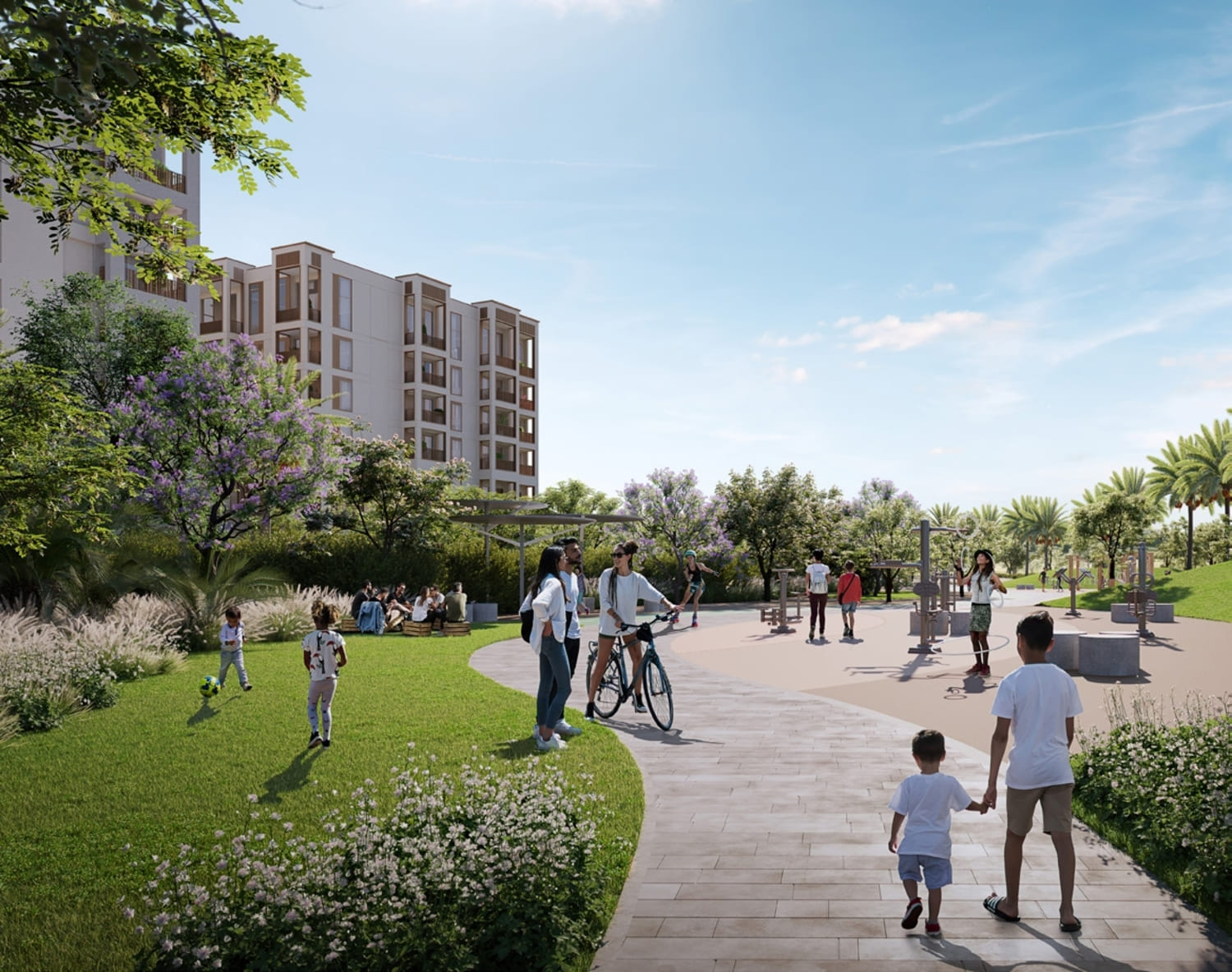
Dubai and RAK have long been popular investment destinations for non-residents and foreign buyers, and recent years have seen an increasing number of banks and financial institutions offering mortgages to this demographic. The ability for non-residents to obtain mortgages is a critical factor in the continued growth of the real estate market in these emirates. The Dubai Land Department reports that Dubai residential capital values increased by 10% in 2026, according to ValuStrat, indicating a robust market for investment.
| Area / Option | Price/sqft (AED) | Rental Yield | Capital Growth YoY |
|---|---|---|---|
| Hayat Island RAK | 800–1,100 | 6–8% | +18% (2025–2026) |
| Mina Al Arab | 700–900 | 5–7% | +15% (2025–2026) |
| Al Marjan Island | 1,000–1,500 | 6–7% | +20% (2025–2026) |
| Dubai Marina | 1,200–2,200 | 4–6% | +12% (2025–2026) |
| JVC | 700–1,200 | 6–8% | +10% (2025–2026) |
Source: Dubai Land Department, RAK Properties, ValuStrat Q1 2026
Deeper Analysis / Mechanics
The mechanics of obtaining a mortgage as a non-resident in Dubai and RAK involve several key steps. Prospective buyers must provide proof of income, typically through salary certificates or bank statements. They must also have a valid employment visa or proof of legal residence in the UAE. Most banks require a minimum down payment of 25% of the property value, with some offering up to 75% financing on the purchase price. Interest rates on mortgages for non-residents tend to be higher than for UAE nationals, with rates varying between 3.5% and 5.5%.
Specific Locations / Examples with Numbers
Hayat Island in RAK, for instance, offers properties priced between AED 800 and AED 1,100 per square foot, with rental yields ranging from 6% to 8%. Capital growth in this area has been significant, with an 18% increase from 2025 to 2026. In comparison, properties in Dubai Marina, a popular destination among foreign investors, are priced between AED 1,200 and AED 2,200 per square foot, with rental yields of 4% to 6% and a capital growth of 12% over the same period. These specific examples illustrate the varied opportunities available to non-residents and foreign buyers across different locations in Dubai and RAK.
Risk Factors / What Buyers Miss / Bear Case
While the Dubai and RAK real estate markets offer significant potential for capital appreciation and rental income, there are risk factors that buyers should consider. Market volatility, changes in interest rates, and economic downturns can impact property values and rental yields. Additionally, non-residents must be aware of the UAE's rent increase limits and tenant rights as stipulated by RERA, which could affect the profitability of their investment. It's crucial for buyers to conduct thorough due diligence and possibly consult with local experts to understand the market dynamics fully.
What to do Next / Practical Steps
For non-residents and foreign buyers interested in securing a mortgage in Dubai and RAK, the first step is to approach a bank or financial institution that offers such services to non-residents. It's advisable to compare different banks' offerings in terms of interest rates, down payment requirements, and repayment terms. Engaging a reputable real estate broker with direct allocation on sought-after developments, such as Sofia Sands Realty (RERA 41793), can provide valuable insights and streamline the process. Our direct allocation on Bay Views and Hayat Island, for example, offers exclusive access to prime properties with attractive investment prospects.
Frequently Asked Questions
What is the minimum down payment required for a non-resident mortgage in Dubai?
Most banks in Dubai require a minimum down payment of 25% of the property value for non-residents. Source: RERA guidelines.
Do I need to have a valid employment visa to get a mortgage in RAK?
Yes, having a valid employment visa or proof of legal residence in the UAE is typically required to obtain a mortgage as a non-resident in RAK. Source: RERA guidelines.
What is the average interest rate for a non-resident mortgage in Dubai?
The average interest rate for non-resident mortgages in Dubai ranges between 3.5% and 5.5%. Source: Dubai Land Department Q1 2026.
Can I get a mortgage if I am not living in the UAE?
Yes, non-residents and foreign buyers can secure mortgages in Dubai and RAK, provided they meet the eligibility criteria set by the banks. Source: RERA guidelines.
How does the rental yield compare between Dubai and RAK?
Rental yields in RAK, such as Hayat Island, range from 6% to 8%, while in Dubai Marina, they range from 4% to 6%. Source: ValuStrat Q1 2026.
What is the average capital growth rate for properties in Dubai?
The average capital growth rate for Dubai residential properties was 10% in 2026. Source: ValuStrat Q1 2026.
What is the process for obtaining a mortgage as a non-resident in RAK?
The process involves providing proof of income, having a valid visa or proof of legal residence, and meeting the down payment requirements. Source: RERA guidelines.
Are there any restrictions on property ownership for non-residents in Dubai?
No, there are no restrictions on property ownership for non-residents in Dubai; they can own freehold properties in designated areas. Source: Dubai Land Department.