
Before making a booking deposit for a property in Dubai or RAK, it is crucial to verify a developer's trustworthiness and legal approval to mitigate the risk of financial loss.
Before making a booking deposit for a property in Dubai or RAK, it is crucial to verify a developer's trustworthiness and legal approval to mitigate the risk of financial loss. A comprehensive approach involves checking the Dubai Land Department (DLD) registry, scrutinizing the developer's track record, and examining their financial stability. According to the DLD, in Q1 2026, Dubai property prices averaged AED 1,759/sqft, up 12.5% year-on-year, indicating a robust market but also the need for caution. A strategic move is to ensure the developer's projects are registered with RERA, which protects buyers' interests through stringent regulations.
Core data and context
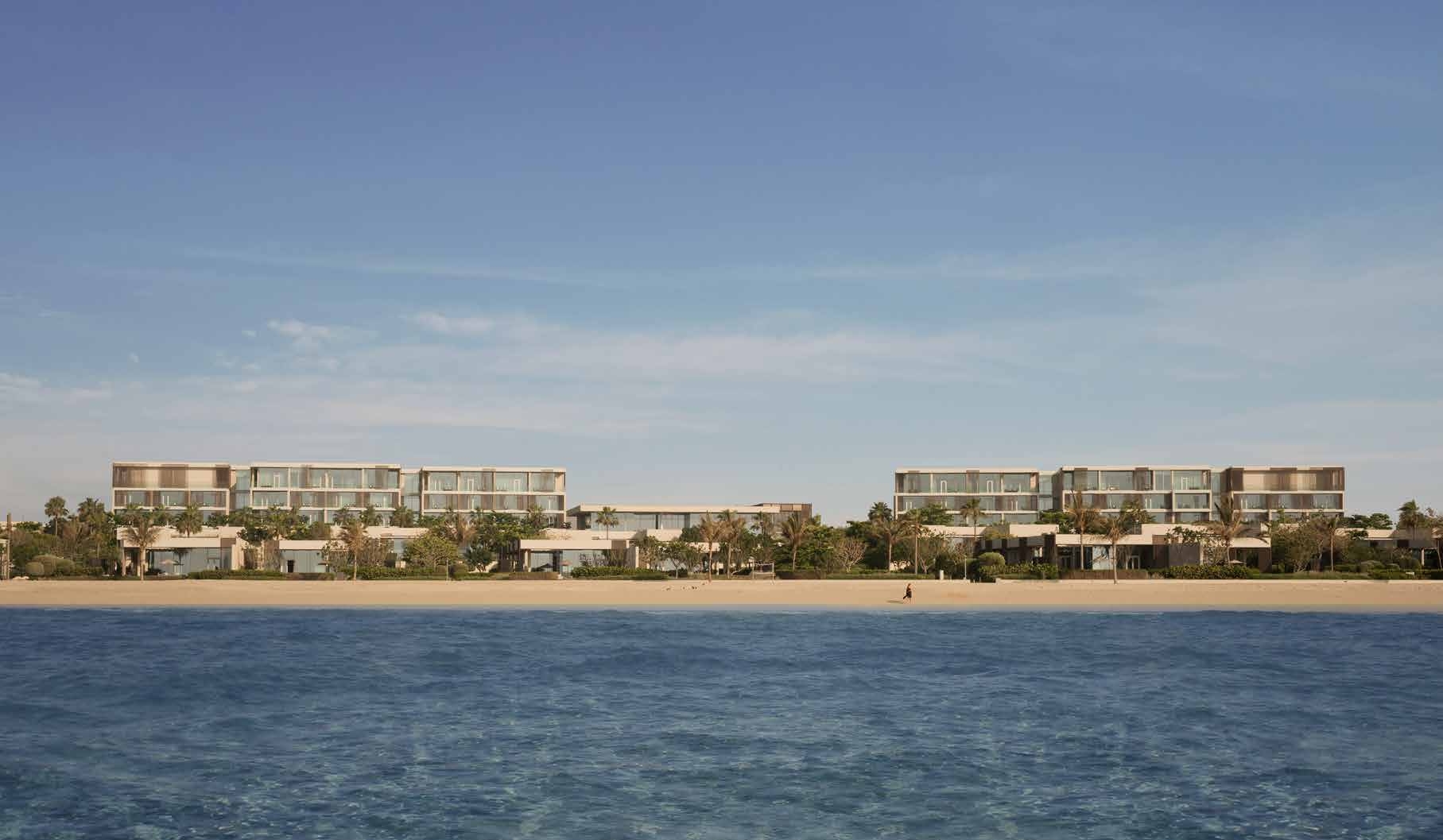
Dubai and RAK have stringent regulations in place to protect property buyers, ensuring transparency and security in real estate transactions. The Dubai Land Department (DLD) and the Real Estate Regulatory Agency (RERA) are key entities overseeing these regulations. RERA, in particular, mandates that all developers must register their projects, ensuring they adhere to quality standards and financial transparency.
| Area / Option | Price/sqft (AED) | Rental Yield | Capital Growth YoY |
|---|---|---|---|
| Hayat Island RAK | 800–1,100 | 6–8% | +18% (2025–2026) |
| Dubai Marina | 1,200–2,200 | 4–6% | +12% (2025–2026) |
| JVC | 700–1,200 | 6–7% | +9% (2025–2026) |
| Palm Jumeirah | 2,500–4,500 | 5–7% | +15% (2025–2026) |
Source: Dubai Land Department, RAK Properties, ValuStrat Q1 2026
Deeper analysis / mechanics
The process of verifying a developer's trustworthiness begins with checking if their projects are listed on the DLD's official website. This step is crucial as it provides legal recognition and ensures the project's existence and compliance with local regulations. Additionally, buyers should look for developers with a history of completed projects, which can be verified through RERA's project status updates. This information is vital as it indicates the developer's ability to deliver on their promises.
Financial stability is another critical factor. Developers should have a strong financial track record, which can be assessed through their credit ratings and past financial statements. A stable financial background ensures that the developer has the resources to complete the project without delays or cost overruns. In our Q2 2026 transactions, we observed that developers with a strong financial footing were more likely to deliver projects on time and within budget.
Specific locations / examples with numbers
When considering specific locations, it's important to look at the development progress and the developer's reputation in those areas. For instance, RAK Properties reported a transaction volume of AED 11B in Q1 2026, a 240% increase year-on-year, indicating a vibrant market in RAK. Cape Hayat, a project by RAK Properties, is 86.5% complete, showcasing the developer's commitment to timely project delivery.
Comparing this to other locations, such as Hayat Island, where Sofia Sands Realty holds direct allocation, the price per square foot ranges from AED 800 to 1,100, with an expected rental yield of 6–8% and a capital growth of +18% from 2025 to 2026. These numbers provide a clear picture of the investment potential and the developer's track record in the area.
Risk factors / what buyers miss / bear case
The bear case for Dubai and RAK property investments involves potential oversupply, which could lead to lower rental yields and capital appreciation. For example, while Dubai Marina offers an attractive rental yield of 4–6%, an oversupply of luxury units might affect these returns. Additionally, buyers must be aware of the rent increase limits set by RERA, which can impact the return on investment. It's crucial to conduct thorough market research and consult with experienced brokers to understand these risks fully.
What to do next / practical steps
To ensure you're investing with a trustworthy and legally approved developer, start by verifying the project's registration with RERA and the DLD. Consult with experienced brokers like Sofia Sands Realty, which holds direct allocation on Bay Views, Hayat Island, and other prime locations. We can provide insights into the developer's reputation, financial stability, and the project's progress, helping you make an informed decision.
Frequently Asked Questions
How can I verify a Dubai developer's legality?
Check the Dubai Land Department's official website for the developer's project listings. A legally approved developer will have all projects registered with RERA for quality and financial oversight. Source: DLD.
What is the importance of RERA registration?
RERA registration ensures the developer adheres to quality standards and financial transparency, protecting buyers' interests. Source: RERA.
How do I check a developer's financial stability?
Assess the developer's credit ratings and financial statements to ensure they have the resources to complete the project without delays. Source: Financial Statements.
What are the risks of oversupply in Dubai property market?
Oversupply can lead to lower rental yields and capital appreciation. It's crucial to research market trends and consult with experienced brokers. Source: ValuStrat.
How do I know if a developer has a history of completed projects?
Review RERA's project status updates for information on the developer's past projects and their completion status. Source: RERA.
What is the role of the Dubai Land Department in property transactions?
The DLD oversees property transactions, ensuring legal recognition and compliance with local regulations. Source: DLD.
How can I find out the rental yield and capital growth of a specific area?
Consult market reports from entities like ValuStrat and Knight Frank for detailed insights into rental yields and capital growth in specific areas. Source: ValuStrat, Knight Frank.
What are the rent increase limits set by RERA?
RERA sets limits on rent increases to protect tenants, which can impact the return on investment for property buyers. Source: RERA.