
Verifying a Dubai developer before buying off-plan in 2026 requires a meticulous examination of their Dubai Land Department (DLD) registration, RERA approval, escrow account compliance, and past delivery history.
Verifying a Dubai developer before buying off-plan in 2026 requires a meticulous examination of their Dubai Land Department (DLD) registration, RERA approval, escrow account compliance, and past delivery history. In Q1 2026, Dubai's off-plan transactions accounted for 70% of total AED 176.7B in sales, with an average price of AED 2,047/sqft, highlighting the importance of due diligence in this sector. This process ensures the developer's financial stability, regulatory compliance, and track record of timely project delivery, which are critical for an investor's peace of mind.
Core data and context
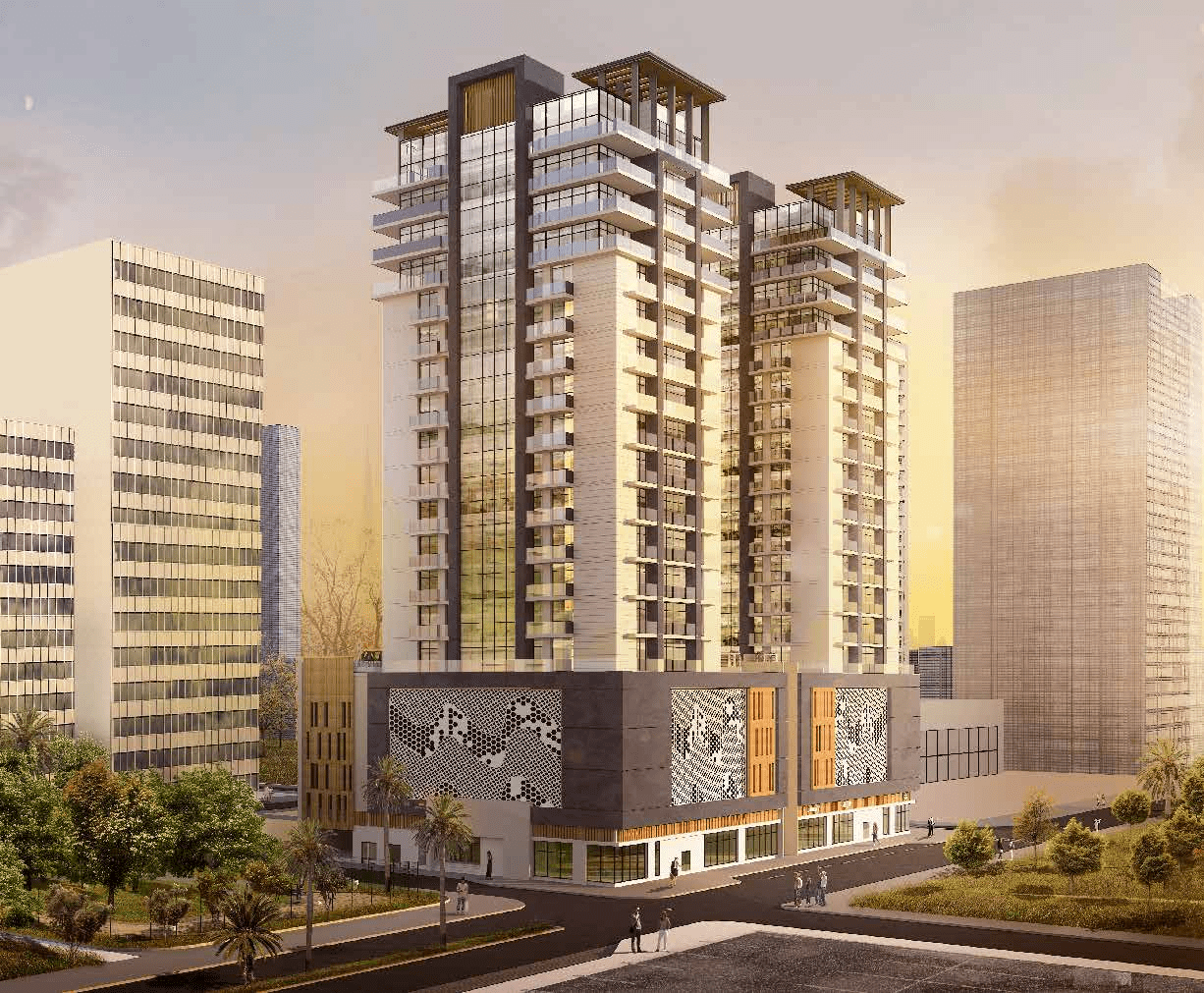
Investing in off-plan properties in Dubai involves significant capital outlay and long-term commitment. It is imperative to ensure the developer's credibility to mitigate risks. The Dubai Land Department (DLD) is the primary authority overseeing real estate transactions, providing a registry of licensed developers. RERA, the Real Estate Regulatory Authority, further safeguards investors through strict guidelines and a robust dispute resolution mechanism.
| Area / Option | Price/sqft (AED) | Rental Yield | Capital Growth YoY |
|---|---|---|---|
| Hayat Island RAK | 800–1,100 | 6–8% | +18% (2025–2026) |
| Dubai Marina | 1,200–2,200 | 4–6% | +12% (2025–2026) |
| JVC | 700–1,200 | 6–7% | +10% (2025–2026) |
Source: Dubai Land Department, RAK Properties, ValuStrat Q1 2026
Deeper analysis / mechanics
The verification process begins with checking the developer's DLD registration, which vouches for their legal operation in Dubai's real estate market. Next, RERA approval indicates that the project is compliant with all regulatory requirements, including construction standards and timely delivery. An escrow account, mandated by RERA, ensures that funds from buyers are securely held and released only upon project milestones' completion, protecting investors from financial misappropriation.
Past delivery history is a testament to the developer's ability to execute projects as promised. Reviewing their previous projects' timelines, quality of construction, and customer satisfaction provides valuable insights. For instance, RAK Properties reported an AED 11B transaction volume in Q1 2026, a 240% YoY increase, reflecting robust market activity and the developer's strong performance.
Specific locations / examples with numbers
Consider Hayat Island in Ras Al Khaimah, where Cape Hayat is 86.5% complete as of Q1 2026, indicating steady progress. Prices here range from AED 800 to 1,100/sqft, with an expected rental yield of 6–8% and a capital growth of +18% from 2025 to 2026. In comparison, Palm Jumeirah offers a higher price point of AED 2,500–4,500/sqft, while JVC provides more affordable options at AED 700–1,200/sqft.
These figures underscore the importance of location-specific analysis. For instance, Downtown Dubai and Business Bay have seen significant capital appreciation, with average prices of AED 1,200–2,200/sqft and AED 700–1,200/sqft, respectively, influenced by their proximity to business hubs and lifestyle amenities.
Risk factors / what buyers miss / bear case
The bear case for off-plan investments includes potential delays in project completion, market downturns affecting capital values, and changes in regulatory environments. For example, in 2026, ValuStrat reported a 10% increase in Dubai residential capital values, but this growth is not guaranteed, and investors must be prepared for market volatility.
Buyers often overlook the importance of checking the developer's financial health and legal standing. A developer's inability to secure project financing or facing legal disputes can lead to project stagnation or cancellation, putting investors' funds at risk.
What to do next / practical steps
To proceed, investors should request detailed project information from the developer, including construction timelines, payment schedules, and legal documents. Engaging a reputable real estate brokerage with direct allocation, like Sofia Sands Realty (RERA 41793), can provide access to vetted developers and exclusive projects such as Bay Views on Hayat Island, ensuring a smoother and more secure investment process.
Frequently Asked Questions
How can I check if a Dubai developer is DLD registered?
Visit the Dubai Land Department's official website and use their search tool to verify a developer's registration status. Source: DLD
What does RERA approval mean for off-plan property buyers?
RERA approval ensures the project adheres to construction standards and delivery timelines, protecting buyers' interests. Source: RERA
Why is an escrow account important in off-plan property transactions?
An escrow account safeguards buyers' funds, releasing payments only upon project milestones' completion, reducing financial risks. Source: RERA
How can I assess a developer's past delivery history?
Review the developer's previous projects for timeliness, construction quality, and customer feedback to gauge their reliability. Source: Developer's official communications
What are the implications of a developer's financial health on my off-plan investment?
A financially unstable developer may delay or fail to complete the project, putting your investment at risk. Source: Knight Frank
How do I know if a developer is facing legal disputes?
Check public legal records and news sources for any ongoing disputes that may affect the project's progress. Source: Public legal databases
What are the common pitfalls to avoid when buying off-plan in Dubai?
Avoid projects without clear construction timelines, improper legal documentation, and unverified developers to mitigate risks. Source: CBRE
How does the location of an off-plan property impact its investment potential?
The property's location influences rental yields and capital growth. Areas closer to business hubs and amenities tend to perform better. Source: ValuStrat