
To verify a Dubai property developer's legitimacy before purchasing, one must first check if they are registered with the Real Estate Regulatory Agency (RERA), which is a critical step in ensuring the developer's credibility.
To verify a Dubai property developer's legitimacy before purchasing, one must first check if they are registered with the Real Estate Regulatory Agency (RERA), which is a critical step in ensuring the developer's credibility. According to the Dubai Land Department (DLD), in Q1 2026, off-plan properties accounted for 70% of all transactions, with an average price of AED 2,047/sqft. This signifies the importance of due diligence in developer selection. A RERA-approved developer not only guarantees regulatory compliance but also offers a level of security to investors and buyers.
Core Data and Context
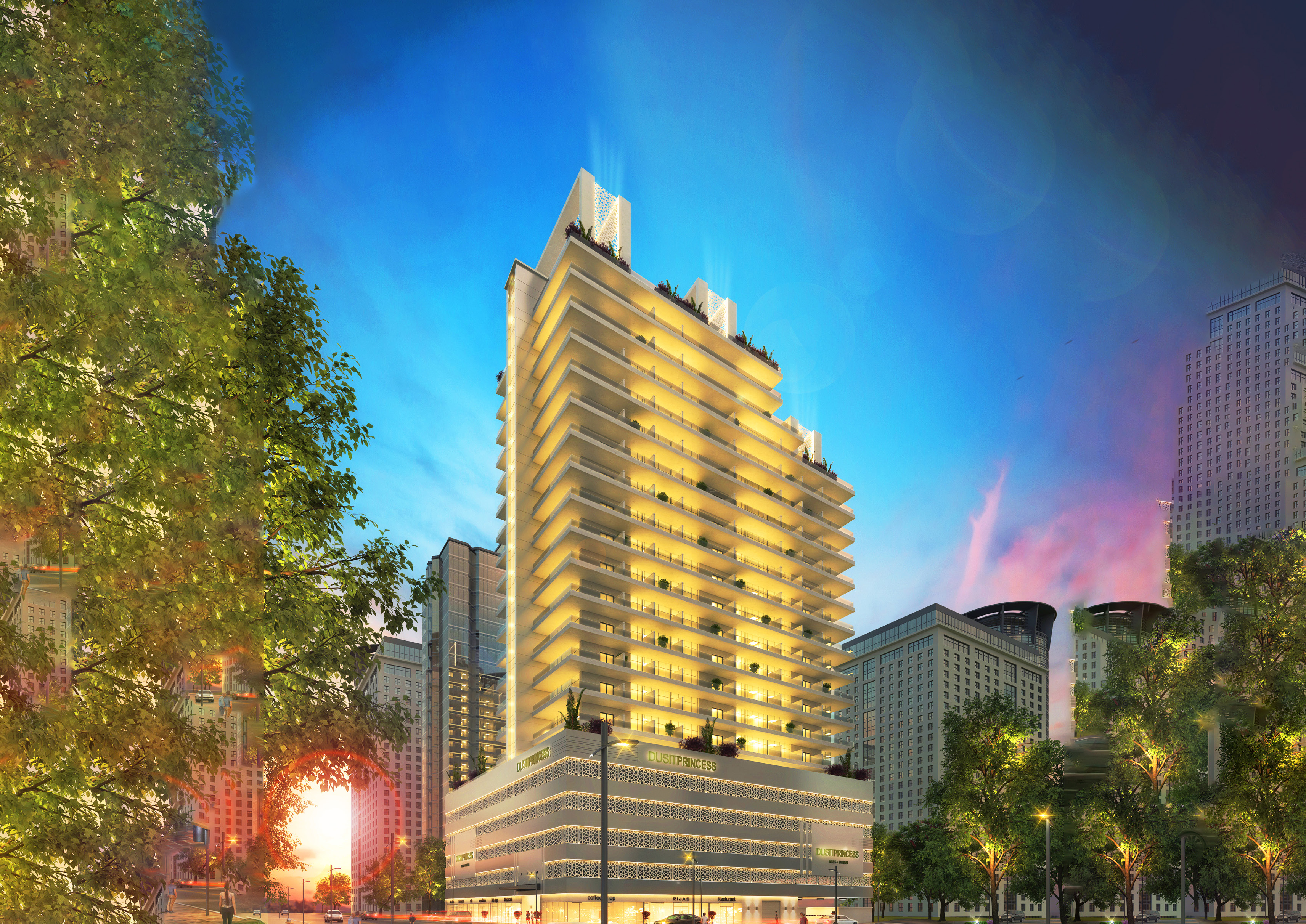
The Dubai real estate market is a dynamic and lucrative investment destination, attracting both local and international investors. With a total transaction volume of AED 176.7 billion in Q1 2026, it is essential for buyers to ensure they are dealing with legitimate developers to safeguard their investments. RERA approval is the first and most crucial step in this verification process. It is a regulatory requirement for all developers in Dubai to register their projects with RERA, ensuring transparency and adherence to set standards.
| Area / Option | Price/sqft (AED) | Rental Yield | Capital Growth YoY |
|---|---|---|---|
| Hayat Island RAK | 800–1,100 | 6–8% | +18% (2025–2026) |
| Dubai Marina | 1,200–2,200 | 4–6% | +12% (2025–2026) |
| JVC | 700–1,200 | 6–7% | +10% (2025–2026) |
| Palm Jumeirah | 2,500–4,500 | 5–7% | +15% (2025–2026) |
Source: Dubai Land Department, RAK Properties, ValuStrat Q1 2026
Deeper Analysis / Mechanics
RERA approval is not just a formality; it is a comprehensive process that involves stringent checks and balances. Developers must submit detailed project plans, including timelines, payment schedules, and construction updates, to RERA for approval. This ensures that developers are financially capable and committed to completing the project as per the agreed-upon terms. Additionally, RERA mandates the use of escrow accounts, which hold buyers' payments until construction milestones are met, providing an additional layer of security.
Specific Locations / Examples with Numbers
Hayat Island in Ras Al Khaimah, for instance, has seen significant development with RAK Properties reporting a transaction volume of AED 11 billion in Q1 2026, a 240% increase year-on-year. The island's development, Cape Hayat, is 86.5% complete, offering investors a tangible progress update. Prices on Hayat Island range from AED 800 to AED 1,100 per square foot, with an expected rental yield of 6-8% and a capital growth of +18% from 2025 to 2026. These figures underscore the importance of verifying a developer's legitimacy, especially in areas with rapid development.
Risk Factors / What Buyers Miss / Bear Case
While the Dubai property market offers substantial growth potential, it is not without risks. One common oversight is the failure to consider a developer's track record and financial stability. A developer with a history of delayed projects or financial irregularities poses a significant risk. For example, in 2026, ValuStrat reported a 10% increase in Dubai residential capital values, but this masks the variance in performance across different areas and developers. Investors must scrutinize each project individually, considering not just the developer's RERA approval but also their reputation, financial health, and past project delivery.
What to do Next / Practical Steps
To verify a developer's legitimacy, start by visiting RERA's official website and checking the developer's registration status. Look for项目的进度更新 and financial disclosures. Engage with reputable brokerages like Sofia Sands Realty (RERA 41793), which holds direct allocation on projects like Bay Views and Hayat Island, providing buyers with firsthand information and access to RERA-approved developers.
Frequently Asked Questions
How can I check if a Dubai developer is RERA-approved?
Visit the RERA official website and use the search function to look up the developer's name or project. A valid registration indicates RERA approval. Source: RERA
What does RERA approval mean for a buyer?
RERA approval ensures the developer adheres to regulatory standards, including project delivery and financial transparency, providing buyers with a level of security. Source: RERA
Why is it important to check a developer's track record?
A developer's track record can indicate their financial stability and reliability in delivering projects on time. It's crucial for assessing the risk associated with an investment. Source: Knight Frank
How do escrow accounts protect buyers' investments?
Escrow accounts, mandated by RERA, hold buyers' payments until construction milestones are met, ensuring funds are only released upon project progress. Source: DLD
What are the signs of a reputable developer in Dubai?
A reputable developer is RERA-approved, financially stable, has a history of timely project delivery, and maintains transparency in all dealings. Source: CBRE
How can I find out a project's construction progress?
RERA-approved developers are required to provide regular construction updates, which can be accessed through RERA's official website or directly from the developer. Source: RERA
What happens if a developer fails to meet construction milestones?
If a developer fails to meet milestones, funds from the escrow account are withheld, and RERA may intervene to ensure buyer protection and project completion. Source: DLD
How do I know if a developer is financially capable?
Financial capability can be assessed through public financial disclosures, credit ratings, and historical project completion records. Source: ValuStrat