
Verifying the RERA registration and escrow account of a Dubai or RAK property project is crucial for buyers to ensure legal protection and financial security.
Verifying the RERA registration and escrow account of a Dubai or RAK property project is crucial for buyers to ensure legal protection and financial security. To check RERA registration, visit the official RERA website and use the project search tool. For escrow account details, request this information directly from the developer or broker. The importance of this verification is underscored by the fact that off-plan transactions accounted for 70% of Dubai's AED 176.7 billion in total Q1 2026 sales, according to the Dubai Land Department.
Core data and context
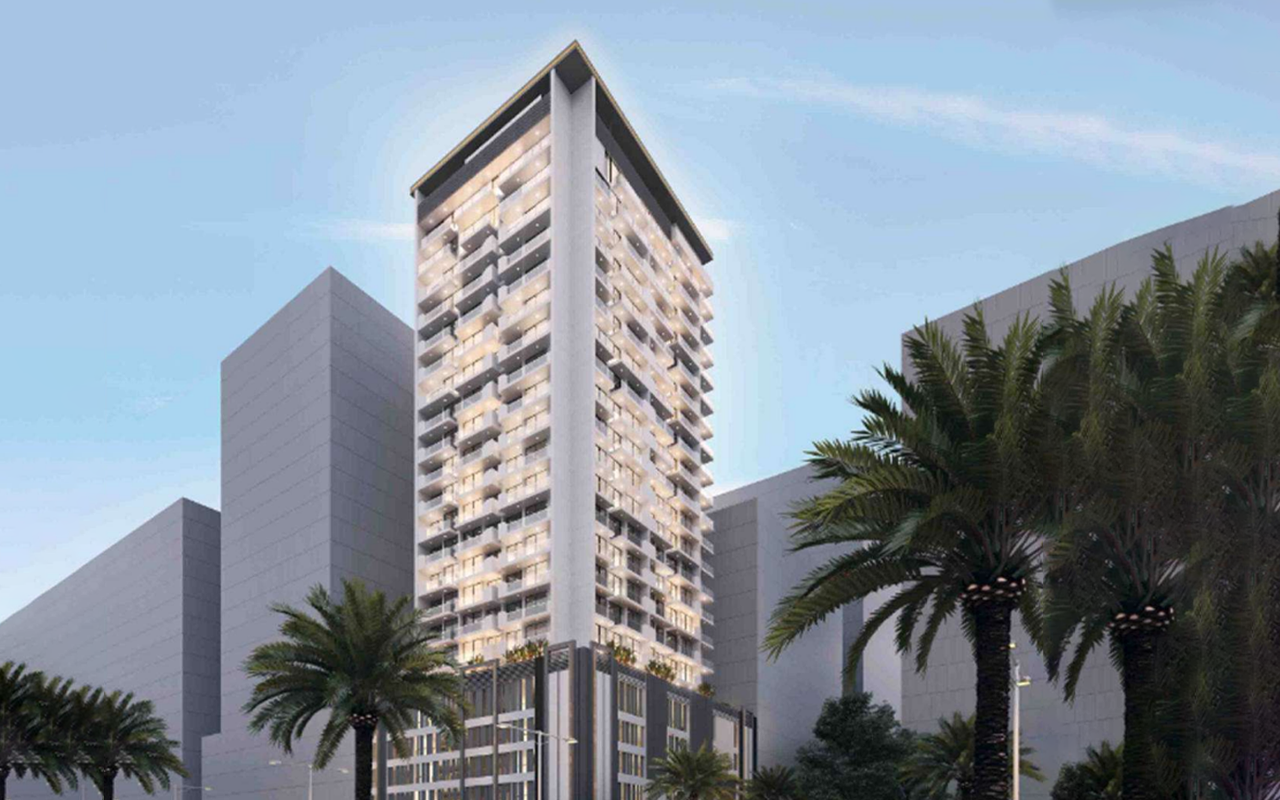
Understanding the regulatory framework in Dubai and RAK is essential for any property buyer. The Real Estate Regulatory Agency (RERA) was established to oversee the industry and protect investors. A key aspect of RERA's mandate is the requirement for all developers to open an escrow account, which holds buyers' payments until construction milestones are met. This system ensures that funds are not misused and are only released to the developer upon completion of agreed-upon stages of construction.
| Area / Option | Price/sqft (AED) | Rental Yield | Capital Growth YoY |
|---|---|---|---|
| Hayat Island RAK | 800–1,100 | 6–8% | +18% (2025–2026) |
| Mina Al Arab | 700–900 | 5–7% | +15% (2025–2026) |
| Al Marjan Island | 1,000–1,500 | 6–7% | +20% (2025–2026) |
| Dubai Marina | 1,200–2,200 | 4–6% | +12% (2025–2026) |
| JVC | 700–1,200 | 6–8% | +10% (2025–2026) |
Source: Dubai Land Department, RAK Properties, ValuStrat Q1 2026
Deeper analysis / mechanics
RERA registration provides a layer of security to buyers by ensuring that the project has been thoroughly vetted by the regulatory body. The escrow account is a separate bank account where buyers' funds are held until the project reaches specific construction milestones. This system is designed to protect investors from the risk of project failure or fraud.
Verification Process:
- Visit the official RERA website and use the project search tool to confirm the registration status of the property project.
- Contact the developer or broker directly to request details of the escrow account, including the account number and the bank where it is held.
- Verify the escrow account details with the bank to ensure that the account is indeed linked to the specific project and that the funds are being held securely.
Specific locations / examples with numbers
Investing in Dubai and RAK real estate often involves high-value transactions, and the importance of RERA registration and escrow accounts is exemplified in popular locations such as Hayat Island and Mina Al Arab. For instance, in Hayat Island RAK, where prices range from AED 800 to 1,100 per square foot, the capital growth from 2025 to 2026 was a remarkable +18%, illustrating the potential for significant returns on investment. Mina Al Arab, another sought-after location, saw a capital growth of +15% over the same period, with prices ranging from AED 700 to 900 per square foot.
Risk factors / what buyers miss / bear case
While the Dubai and RAK property markets are known for their growth potential, it's crucial for buyers to be aware of the risks involved. One common oversight is the assumption that all projects are RERA-registered and have escrow accounts in place. In reality, not all developers comply with these regulations, which can put investors at risk. The bear case scenario would involve a project failing to deliver on time or at all, resulting in significant financial losses for buyers who have not verified the project's RERA status and escrow account.
Risk Mitigation Strategies:
- Always insist on RERA registration and an escrow account as non-negotiable prerequisites.
- Conduct thorough due diligence on the developer's track record and financial stability.
- Engage with a reputable broker who can provide additional insights and verification of the project's compliance with regulatory standards.
What to do next / practical steps
For buyers looking to invest in Dubai or RAK properties, the first step is to ensure that the project of interest is RERA-registered and has a verified escrow account. Sofia Sands Realty (RERA 41793) holds direct allocation on Bay Views and Hayat Island, where we can provide comprehensive guidance and verification of these critical aspects. We recommend that buyers approach their property search with a focus on due diligence and engage with experienced brokers to navigate the complexities of the market.
Frequently Asked Questions
How can I confirm if a Dubai property is RERA-registered?
Visit the official RERA website and use the project search tool to confirm the registration status. Source: RERA.
What is the importance of an escrow account in property transactions?
An escrow account holds buyers' funds securely until construction milestones are met, protecting investors from misuse of funds. Source: RERA.
How do I verify the escrow account details for a RAK property?
Contact the developer or broker for escrow account details and verify these with the bank to ensure the account is linked to the specific project. Source: RAK Properties.
What happens if a project fails to deliver on time?
With an escrow account, funds are protected, and buyers can seek legal recourse. However, delays can impact returns and cause financial stress. Source: RERA.
Are all Dubai property projects required to have an escrow account?
Yes, all developers are required by RERA to open an escrow account to protect buyers' funds. Source: RERA.
How can I check the progress of a property project in RAK?
RAK Properties provides updates on project progress, which can be verified through their official channels or by visiting the site. Source: RAK Properties.
What are the penalties for developers who do not comply with RERA regulations?
Developers can face fines, project suspension, or other legal actions for non-compliance with RERA regulations. Source: RERA.
Can a property project be deregistered from RERA?
Yes, RERA can deregister a project if the developer fails to meet regulatory requirements or if the project is deemed non-viable. Source: RERA.