
Verifying a project's registration is crucial for investors in Dubai and RAK properties.
Verifying a project's registration is crucial for investors in Dubai and RAK properties. To check if a project is registered with the Dubai Land Department (DLD), one can visit the DLD's official website and use the 'Project Search' feature. For RAK, the process involves checking the RAK Properties website or contacting the RAK Real Estate Regulatory Authority. In Q1 2026, DLD recorded AED 176.7 billion in total sales, with off-plan transactions accounting for 70% of these transactions, averaging AED 2,047 per square foot (Source: DLD).
Core Data and Context
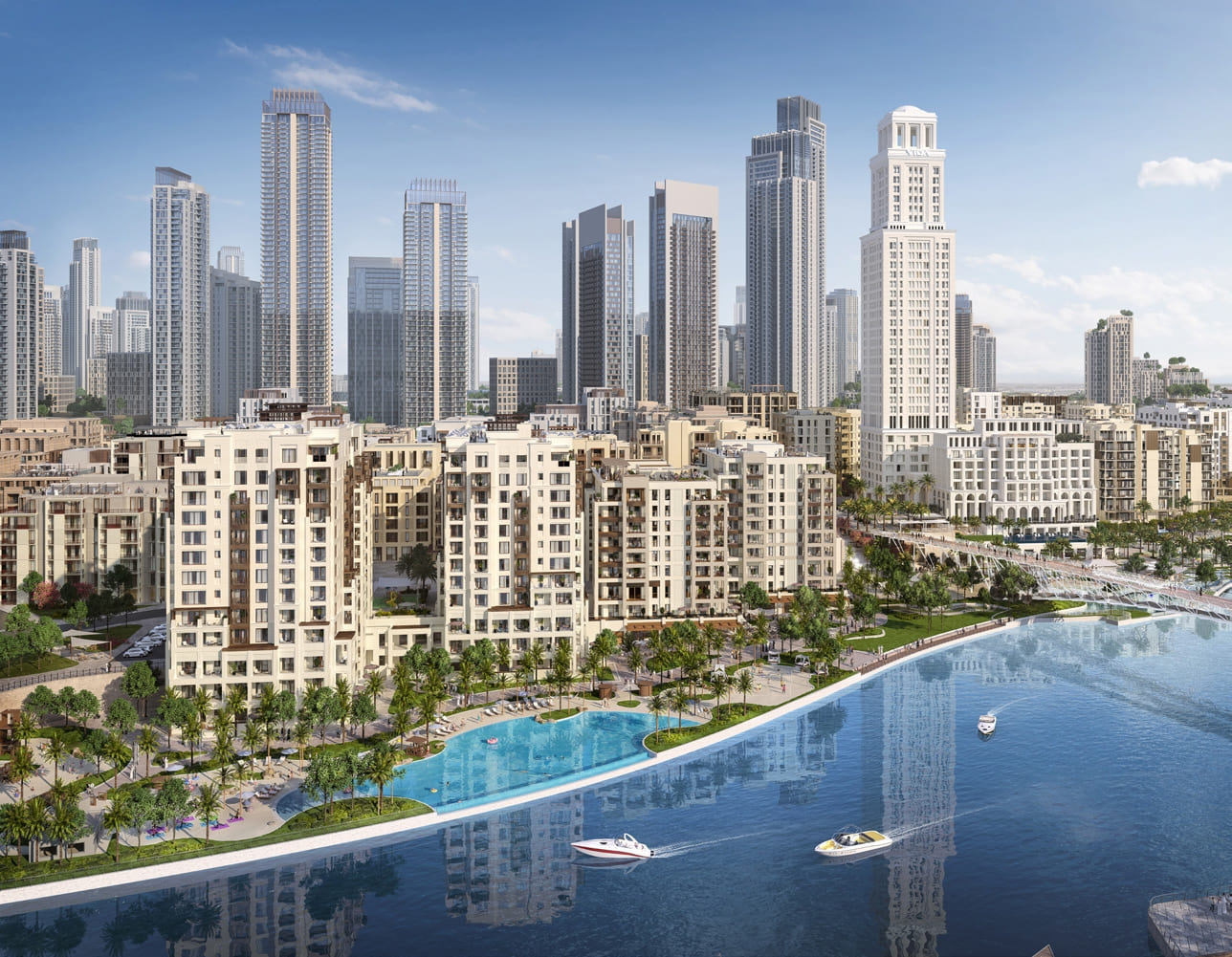
In the dynamic landscape of Dubai and RAK real estate, ensuring that a project is officially registered is a fundamental step for any investor. Registration provides legal protection and transparency, which are essential for safeguarding investments. The Dubai Land Department and RAK authorities maintain databases that are accessible to the public, allowing potential buyers to confirm a project's legitimacy.
| Area / Option | Price/sqft (AED) | Rental Yield | Capital Growth YoY |
|---|---|---|---|
| Hayat Island RAK | 800–1,100 | 6–8% | +18% (2025–2026) |
| Dubai Marina | 1,200–2,200 | 4–6% | +10% (2025–2026) |
| JVC | 700–1,200 | 6–7% | +8% (2025–2026) |
| Palm Jumeirah | 2,500–4,500 | 5–7% | +12% (2025–2026) |
| Bluewaters Island | 1,500–3,000 | 5–6% | +9% (2025–2026) |
Source: Dubai Land Department, RAK Properties, ValuStrat Q1 2026
Deeper Analysis / Mechanics
The registration process in Dubai involves several steps. First, developers must register their projects with the DLD, which includes submitting detailed project plans and obtaining necessary approvals. Once registered, the project is assigned a unique identifier, which is crucial for tracking and verifying its status. Investors can search for this identifier on the DLD website to confirm the project's registration and view detailed information about the development.
In RAK, the process is similar but involves the RAK Real Estate Regulatory Authority. Developers must register their projects, and once approved, the projects are listed on the RAK Properties website. Investors can search for the project by name or developer to verify its registration status.
Specific Locations / Examples with Numbers
Hayat Island in RAK is a prime example of a registered project with significant growth potential. With prices ranging from AED 800 to 1,100 per square foot and offering rental yields of 6–8%, it has seen a capital growth of +18% from 2025 to 2026 (Source: RAK Properties). In comparison, Dubai Marina, a well-established area, offers prices between AED 1,200 and 2,200 per square foot with rental yields of 4–6% and a capital growth of +10% over the same period (Source: ValuStrat).
These numbers highlight the potential of registered projects in both emerging and established markets. For instance, JVC, with prices between AED 700 and 1,200 per square foot, offers rental yields of 6–7% and has seen a capital growth of +8% from 2025 to 2026 (Source: ValuStrat). These statistics underscore the importance of project registration in ensuring investor confidence and market transparency.
Risk Factors / What Buyers Miss / Bear Case
While registered projects offer legal protection and transparency, there are still risks that buyers should be aware of. One common oversight is the distinction between off-plan and ready properties. Off-plan properties, which accounted for 70% of DLD's Q1 2026 transactions, tend to have higher capital growth potential but also carry higher risks due to the longer completion timeline (Source: DLD). Buyers should carefully assess the developer's track record and the project's feasibility before investing.
Another risk factor is the potential for oversupply in certain areas, which can impact rental yields and capital appreciation. For example, while Palm Jumeirah offers high rental yields of 5–7%, it also faces the challenge of an oversupplied luxury market, which can affect property values (Source: Knight Frank). Investors should conduct thorough market research and consider diversifying their portfolio to mitigate such risks.
What to do Next / Practical Steps
For investors looking to verify a project's registration and assess its potential, the first step is to visit the respective websites of the Dubai Land Department and RAK authorities. By searching for the project's unique identifier, investors can confirm its registration status and access detailed information about the development.
Sofia Sands Realty (RERA 41793) holds direct allocation on Bay Views, Hayat Island, and other premium projects in RAK and Dubai. We offer comprehensive market analysis and project insights to help investors make informed decisions. For further assistance or to discuss specific projects, please visit sofiasandsrealty.ae or contact us directly.
Frequently Asked Questions
How can I verify a project's registration in Dubai?
Visit the Dubai Land Department's official website and use the 'Project Search' feature to enter the project's name or identifier. If registered, detailed information about the project will be displayed. Source: DLD.
What is the process for checking a project's registration in RAK?
Check the RAK Properties website or contact the RAK Real Estate Regulatory Authority to verify a project's registration status in RAK. Source: RAK Properties.
What are the benefits of investing in a registered project?
Registered projects offer legal protection, transparency, and reduced risk, as they have undergone necessary approvals and are monitored by regulatory authorities. Source: RERA.
How do I know if a project is off-plan or ready?
Off-plan properties are those under construction or yet to be built, while ready properties are completed and available for immediate occupation. This information is typically available on the project's registration details. Source: DLD.
What is the average price per square foot for off-plan properties in Dubai?
The average price for off-plan properties in Dubai was AED 2,047 per square foot in Q1 2026. Source: DLD.
How can I find out the rental yield of a property?
Rental yields can be estimated by dividing the annual rental income by the property's purchase price. Specific yield figures for different areas can be found through market research reports or by consulting with real estate experts. Source: ValuStrat.
What are the risks associated with investing in off-plan properties?
Investing in off-plan properties carries risks such as project delays, potential oversupply, and changes in market conditions. It's crucial to assess the developer's reputation and the project's feasibility. Source: Knight Frank.
How can I diversify my property investment portfolio?
Diversification can be achieved by investing in different locations, property types, and price segments. This strategy can help mitigate risks associated with market fluctuations. Source: CBRE.