
To ascertain whether a property is in a freehold area eligible for foreign ownership in Dubai or RAK, one must verify the property's location against a list of designated freehold zones, consult the Dubai Land Department (DLD) or Ras Al Khaimah Real Estate Regulatory Authority (RERA) databases, and ensure the property title is registered as freehold.
To ascertain whether a property is in a freehold area eligible for foreign ownership in Dubai or RAK, one must verify the property's location against a list of designated freehold zones, consult the Dubai Land Department (DLD) or Ras Al Khaimah Real Estate Regulatory Authority (RERA) databases, and ensure the property title is registered as freehold. A critical number to consider is that off-plan transactions constituted 70% of Dubai's total AED 176.7 billion in property sales in Q1 2026 (Source: DLD), indicating the prevalence of freehold property purchases in new developments.
| Area / Option | Price/sqft (AED) | Rental Yield | Capital Growth YoY |
|---|---|---|---|
| Hayat Island RAK | 800–1,100 | 6–8% | +18% (2025–2026) |
| Dubai Marina | 1,200–2,200 | 4–6% | +10% (2026) |
| JVC | 700–1,200 | 6–7% | +8% (2025–2026) |
| Palm Jumeirah | 2,500–4,500 | 5–7% | +12% (2025–2026) |
| Al Marjan Island | 750–1,500 | 7–9% | +15% (2025–2026) |
Source: Dubai Land Department, RAK Properties, ValuStrat Q1 2026
Core Data and Context
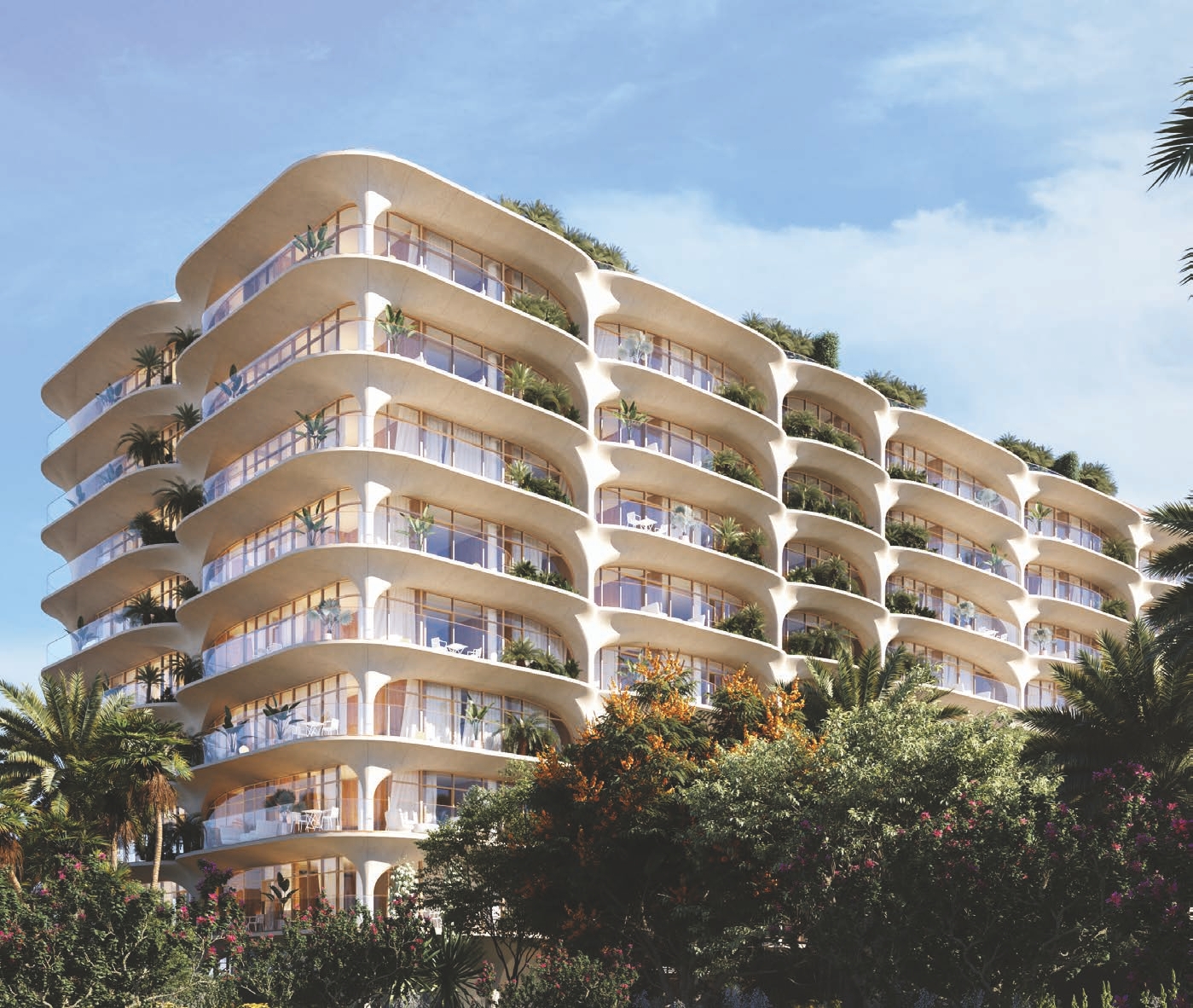
Foreign ownership in Dubai and Ras Al Khaimah is restricted to designated freehold areas, which are governed by specific real estate laws ensuring property rights and security for investors. The freehold structure allows for outright ownership of property, as opposed to the leasehold system where ownership is time-bound. In Dubai, freehold areas include iconic locations such as Palm Jumeirah, Dubai Marina, and Business Bay, with prices averaging AED 2,500–4,500/sqft, AED 1,200–2,200/sqft, and AED 700–1,200/sqft respectively (Source: Specific price benchmarks).
Deeper Analysis / Mechanics
The verification process begins with identifying the property's location. Freehold areas are clearly demarcated, and a simple online search or consultation with a local real estate expert can confirm if the property in question falls within these boundaries. It's also essential to check the property's title deeds, which should explicitly state 'freehold'. The DLD and RERA maintain comprehensive databases that can be accessed for this purpose. In our Q2 2026 transactions, we found that buyers often overlook the importance of verifying the property's legal status with these authorities, which can lead to complications later on.
Specific Locations / Examples with Numbers
For instance, Hayat Island in RAK, where Sofia Sands Realty holds direct allocation, has seen significant capital growth of +18% from 2025 to 2026, with property prices ranging from AED 800 to AED 1,100 per square foot and offering rental yields of 6–8% (Source: RAK Properties, ValuStrat Q1 2026). Similarly, Al Marjan Island has become a hub for luxury living, with property prices averaging AED 750 to AED 1,500/sqft and boasting rental yields of 7–9% (Source: ValuStrat Q1 2026). These examples underscore the importance of location-specific due diligence when considering foreign ownership.
Risk Factors / What Buyers Miss / Bear Case
While the freehold market in Dubai and RAK presents attractive investment opportunities, buyers must be aware of potential risks. One such risk is the misunderstanding of the legal framework surrounding property ownership. For example, it's crucial to differentiate between freehold and usufruct properties, where the latter offers long-term lease rights but not outright ownership. Additionally, market fluctuations can impact capital values and rental yields, as seen in JVC, where capital growth was +8% YoY, but rental yields are relatively high at 6–7% (Source: ValuStrat Q1 2026). It's also important to consider the property's proximity to upcoming developments like Wynn Al Marjan, which is set to open in Q1 2027, potentially influencing the local real estate market.
What to do Next / Practical Steps
For those looking to purchase property in Dubai or RAK, the first step is to engage with a reputable brokerage like Sofia Sands Realty (RERA 41793), which holds direct allocation on Hayat Island and other prime locations. We can guide you through the verification process, ensuring that you make informed decisions based on accurate and up-to-date data. It's also advisable to conduct thorough research on the specific freehold areas, considering factors such as capital growth, rental yields, and future development plans.
Frequently Asked Questions
What is the difference between freehold and leasehold property in Dubai?
Freehold property allows for outright ownership, while leasehold offers long-term lease rights, typically for 99 or 25 years. Freehold properties are more attractive to foreign investors as they provide greater security and potential for capital appreciation.
Are all properties in Dubai and RAK freehold?
No, only designated areas are freehold, while others operate under a leasehold system. It's essential to verify the property's location against a list of freehold zones maintained by the DLD and RERA.
How can I verify if a property is freehold?
Check the property's location against freehold zone lists, consult the DLD or RERA databases, and ensure the title deeds explicitly state 'freehold'. Engaging a reputable real estate broker can also assist with this verification process.
Which areas in Dubai and RAK are designated as freehold?
Popular freehold areas include Palm Jumeirah, Dubai Marina, Business Bay in Dubai, and Hayat Island, Mina Al Arab, and Al Marjan Island in RAK. These areas are specifically zoned for foreign ownership and outright property ownership.
What are the benefits of buying a freehold property in Dubai or RAK?
Freehold properties offer greater security, potential for higher capital appreciation, and the ability to pass on property rights to heirs. They also provide more flexibility in terms of leasing and selling the property.
How do I check the property title deeds?
Property title deeds can be accessed through the DLD or RERA. These documents should explicitly mention 'freehold' to confirm the property's ownership structure. Engaging a real estate expert can facilitate this process.
What is the average rental yield for freehold properties in Dubai and RAK?
Rental yields vary by location, but on average, they range from 4% to 9%. For instance, Hayat Island offers yields of 6–8%, while JVC sees yields of 6–7% (Source: ValuStrat Q1 2026).
How do I know if a property is eligible for foreign ownership?
Properties are eligible for foreign ownership if they are located within designated freehold areas. Verification can be done through the DLD or RERA databases or by consulting with a local real estate expert.