
To verify if an off-plan project is registered with the Dubai Land Department (DLD) or the Real Estate Regulatory Agency (RERA), you should visit their official websites.
To verify if an off-plan project is registered with the Dubai Land Department (DLD) or the Real Estate Regulatory Agency (RERA), you should visit their official websites. For DLD, check the 'Project List' section, and for RERA, navigate to the 'Projects' tab. It's crucial to ensure registration as it guarantees legal protection and project legitimacy. In Q1 2026, off-plan transactions constituted 70% of total sales, underscoring the importance of due diligence (Source: DLD).
Core Data and Context
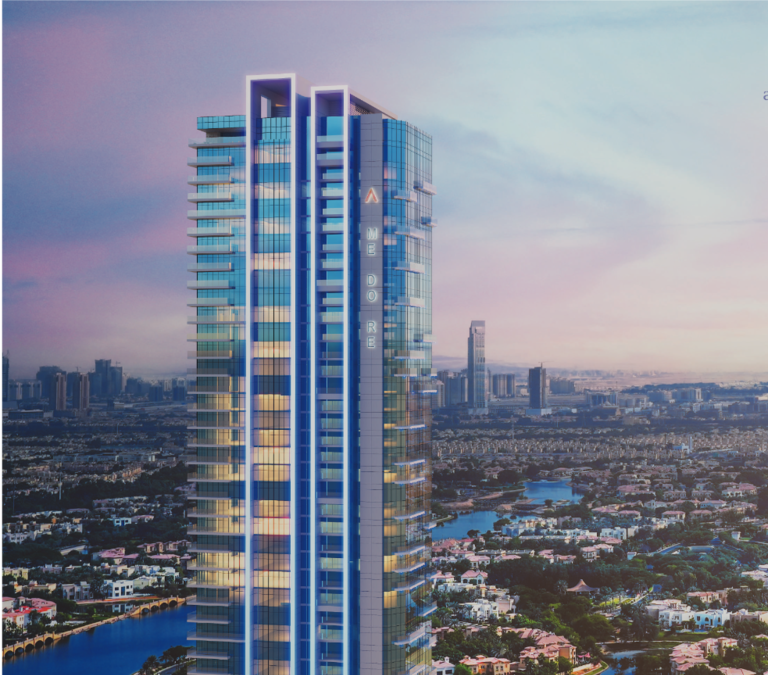
Understanding the regulatory framework is essential for any property buyer in Dubai and RAK. The Dubai Land Department (DLD) and the Real Estate Regulatory Agency (RERA) are the two key entities overseeing the real estate sector. DLD is responsible for the overall real estate sector in Dubai, including the registration of properties and transactions. RERA, on the other hand, was established to regulate the real estate and property sectors in Dubai, ensuring transparency and protecting the rights of all stakeholders.
| Area / Option | Price/sqft (AED) | Rental Yield | Capital Growth YoY |
|---|---|---|---|
| Hayat Island RAK | 800–1,100 | 6–8% | +18% (2025–2026) |
| Dubai Marina | 1,200–2,200 | 4–6% | +12% (2025–2026) |
| JVC | 700–1,200 | 6–7% | +10% (2025–2026) |
| Palm Jumeirah | 2,500–4,500 | 5–7% | +15% (2025–2026) |
| Business Bay | 1,000–1,800 | 5–6% | +11% (2025–2026) |
Source: Dubai Land Department, RAK Properties, ValuStrat Q1 2026
Deeper Analysis / Mechanics
The process of checking the registration of an off-plan project involves several steps. Firstly, visit the DLD website and navigate to the 'Project List' section. Here, you can search for the project by name or developer. If the project is listed, it indicates that it has been registered with DLD. This is a critical first step as it provides legal recognition to the project.
Secondly, for projects in Dubai, you should also check with RERA. Visit the RERA website and look for the 'Projects' tab. Here, you can search for the project by name or developer. Registration with RERA ensures that the project adheres to the regulatory guidelines set by the agency, providing an additional layer of protection to the buyer.
It's important to note that while registration with DLD is mandatory for all real estate projects in Dubai, RERA registration is specifically for off-plan projects. This distinction is crucial as it directly impacts the legal protections afforded to the buyer.
Specific Locations / Examples with Numbers
Let's consider Hayat Island in Ras Al Khaimah as a specific example. In Q1 2026, RAK Properties reported a transaction volume of AED 11B, a 240% increase year-on-year. Cape Hayat, a project on Hayat Island, is 86.5% complete (Source: RAK Properties). The price per square foot on Hayat Island ranges from AED 800 to AED 1,100, with an expected rental yield of 6-8% and a capital growth of +18% from 2025 to 2026 (Source: ValuStrat).
Comparing this with Palm Jumeirah in Dubai, where prices range from AED 2,500 to AED 4,500 per square foot, the rental yield is 5-7%, and the capital growth is +15% over the same period (Source: ValuStrat). These specific numbers provide a clear comparison between different locations and their respective investment potential.
Risk Factors / What Buyers Miss / Bear Case
While off-plan projects offer significant capital appreciation potential, they also come with risks. One of the most common oversights is the failure to check the project's registration status. Unregistered projects lack legal recognition and protection, leaving buyers exposed to potential fraud and financial loss.
The bear case for off-plan projects is centered around project delays and cost overruns. For instance, if a project is significantly delayed, it can impact the buyer's investment returns, especially if they are relying on rental income. Additionally, cost overruns can lead to increased prices, reducing the project's affordability and potentially affecting its resale value.
Another risk factor is the developer's financial stability. A financially unstable developer may struggle to complete the project, leading to delays or even project abandonment. It's crucial to research the developer's track record and financial health before investing in an off-plan project.
What to do Next / Practical Steps
After verifying the project's registration with DLD and RERA, the next step is to conduct a thorough due diligence. This includes researching the developer's reputation, financial stability, and track record. It's also advisable to visit the project site, if possible, to assess the progress and quality of construction.
Engaging with a reputable real estate brokerage can also be beneficial. Sofia Sands Realty (RERA 41793) holds direct allocation on Bay Views, Hayat Island, and other premium projects, providing expert guidance and support throughout the buying process.
Frequently Asked Questions
How can I be sure a project is legitimate?
Check the project's registration with DLD and RERA. Unregistered projects lack legal recognition and protection, increasing the risk of fraud and financial loss.
What are the consequences of buying an unregistered project?
Unregistered projects are not legally recognized, leaving buyers exposed to potential fraud, financial loss, and lack of legal protection in case of disputes.
Why is RERA registration important for off-plan projects?
RERA registration ensures that the project adheres to regulatory guidelines, providing an additional layer of protection to the buyer and ensuring transparency in the sales process.
How can I check the progress of an off-plan project?
Visit the project site, if possible, or request regular updates from the developer or your real estate broker. For projects in RAK, RAK Properties provides regular updates on project progress.
What should I consider when choosing a developer?
Consider the developer's reputation, financial stability, and track record. A financially stable developer with a history of successful project completions is less likely to encounter delays or cost overruns.
How do I know if a project is overpriced?
Compare the project's price per square foot with similar projects in the same area. If the price is significantly higher, it may be overpriced. Consult with a real estate broker for expert advice.
What are the risks associated with off-plan projects?
The main risks include project delays, cost overruns, and developer financial instability. Conduct thorough due diligence, including researching the developer and checking the project's registration status.
How can I protect my investment in an off-plan project?
Ensure the project is registered with DLD and RERA, conduct thorough due diligence on the developer, and engage with a reputable real estate broker for expert guidance and support.