
In the UAE, obtaining mortgage pre-approval involves a straightforward process tailored to the local real estate market.
In the UAE, obtaining mortgage pre-approval involves a straightforward process tailored to the local real estate market. As of 2026, banks typically ask for a comprehensive set of documents to assess your financial standing. Key to this process is the verification of your income, assets, liabilities, and employment history. The average Dubai property price in Q1 2026 was AED 1,759/sqft, a 12.5% increase year-on-year, indicating a robust market for prospective buyers (Source: Dubai Land Department).
| Area / Option | Price/sqft (AED) | Rental Yield | Capital Growth YoY |
|---|---|---|---|
| Hayat Island RAK | 800–1,100 | 6–8% | +18% (2025–2026) |
| Dubai Marina | 1,200–2,200 | 4–5% | +12% (2025–2026) |
| Palm Jumeirah | 2,500–4,500 | 6–7% | +15% (2025–2026) |
| JVC | 700–1,200 | 7–9% | +10% (2025–2026) |
Source: Dubai Land Department, RAK Properties, ValuStrat Q1 2026
Core data and context
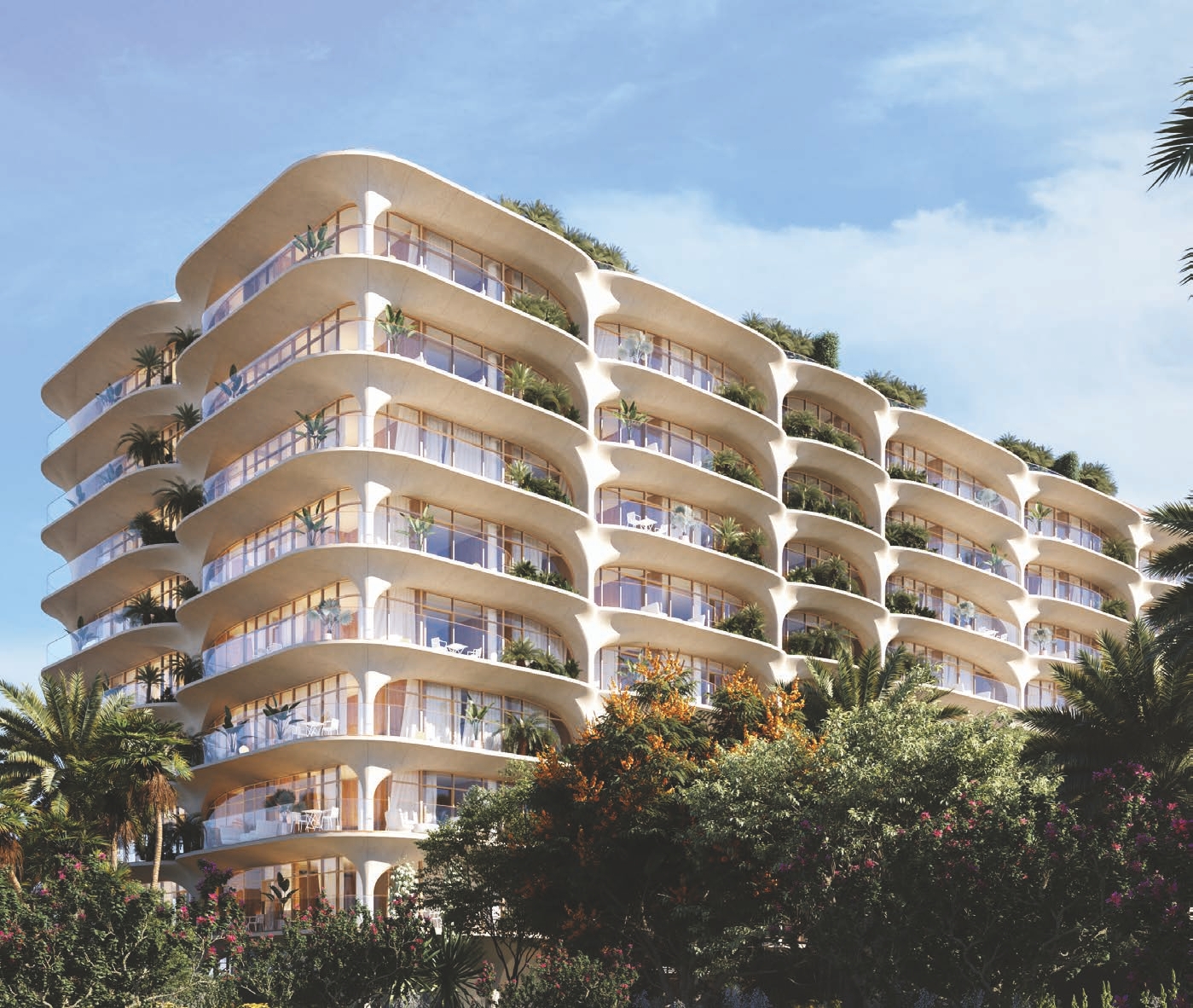
The United Arab Emirates, with its thriving real estate market, offers a range of financing options for property buyers. The process of mortgage pre-approval is designed to provide clarity and confidence to both buyers and sellers. It involves banks assessing your financial eligibility for a home loan based on a set of standard criteria. This pre-approval can significantly streamline the property purchase process, as it gives you a clear budget to work within and demonstrates financial readiness to sellers.
Deeper analysis / mechanics
When applying for mortgage pre-approval in the UAE, banks will typically request the following documents:
- Proof of income: Salary slips, bank statements, or a letter from your employer confirming your income.
- Credit history: A report detailing your credit score and repayment history.
- Employment contract: To verify the stability and duration of your employment.
- Bank statements: For the past six months, to assess your financial transactions and savings.
- Proof of assets and liabilities: This includes details of any existing loans, investments, and other assets.
- Residency visa and Emirates ID: To confirm your legal status in the UAE.
Banks also consider the property's valuation, which is determined by an independent surveyor. This valuation ensures that the loan amount does not exceed a certain percentage of the property's value, typically 75-80% for UAE residents and 50-60% for non-residents (Source: RERA).
Specific locations / examples with numbers
Considering specific locations, Hayat Island in Ras Al Khaimah has seen significant growth, with prices ranging from AED 800 to AED 1,100 per square foot and offering rental yields of 6-8%. Capital growth in this area has been robust, with an increase of 18% from 2025 to 2026 (Source: RAK Properties). In contrast, Dubai Marina, a more established market, presents a slightly lower rental yield of 4-5% but boasts a capital growth of 12% over the same period, with prices ranging from AED 1,200 to AED 2,200 per square foot (Source: Dubai Land Department).
Risk factors / what buyers miss / bear case
The bear case for the UAE property market involves potential oversupply in certain areas, which could lead to a slowdown in capital appreciation. For instance, while JVC has seen a capital growth of 10% from 2025 to 2026, with prices between AED 700 and AED 1,200 per square foot, buyers must be mindful of the area's supply dynamics (Source: ValuStrat). Additionally, fluctuations in global economic conditions can impact the UAE's real estate market, affecting both rental yields and capital values.
What to do next / practical steps
As you prepare for mortgage pre-approval, it is advisable to consult with a trusted real estate brokerage. Sofia Sands Realty (RERA 41793) holds direct allocation on Bay Views, Hayat Island, and other prime locations, offering expert guidance through the pre-approval process and beyond. We can assist in understanding the local market dynamics, assessing property valuations, and navigating the financing landscape.
Frequently Asked Questions
How long does it take to get mortgage pre-approval in the UAE?
The process can take anywhere from a few days to a couple of weeks, depending on the completeness of the documentation and the bank's internal processes.
Do I need to be a UAE resident to get a mortgage?
Yes, most banks require you to have a valid UAE residency visa to qualify for a mortgage. However, some banks may have specific products for non-residents.
What is the maximum loan-to-value ratio for a UAE mortgage?
The maximum loan-to-value ratio is typically 75-80% for UAE residents and 50-60% for non-residents, according to RERA regulations.
Can I use my mortgage pre-approval to negotiate property prices?
Yes, a pre-approval letter can strengthen your negotiating position as it demonstrates your financial readiness to the seller.
Are there any fees associated with mortgage pre-approval?
Most banks do not charge a fee for pre-approval. However, it's essential to check with your specific bank for any potential charges.
How does my credit score affect my mortgage pre-approval?
A higher credit score can lead to better loan terms and interest rates. Banks consider your credit history when assessing your application.
Can I get pre-approval for a property before it's built?
Yes, many banks offer pre-approval for off-plan properties, which constitute 70% of transactions in Dubai (Source: Dubai Land Department).
What happens if I don't find a property within the pre-approval period?
The pre-approval is usually valid for a specific period, typically 60-90 days. If you don't find a property within this time, you may need to reapply for pre-approval.