
As a first-time buyer in the UAE looking to secure mortgage pre-approval in 2026, you will need to follow a structured process involving financial assessment, lender selection, and property identification.
As a first-time buyer in the UAE looking to secure mortgage pre-approval in 2026, you will need to follow a structured process involving financial assessment, lender selection, and property identification. The key to a successful pre-approval lies in understanding your financial capacity, which is critical given Dubai property prices averaging AED 1,759/sqft in Q1 2026, up 12.5% year-on-year (Dubai Land Department). This surge underscores the importance of pre-approval to secure competitive rates and terms in an increasingly dynamic market.
Core Data and Context
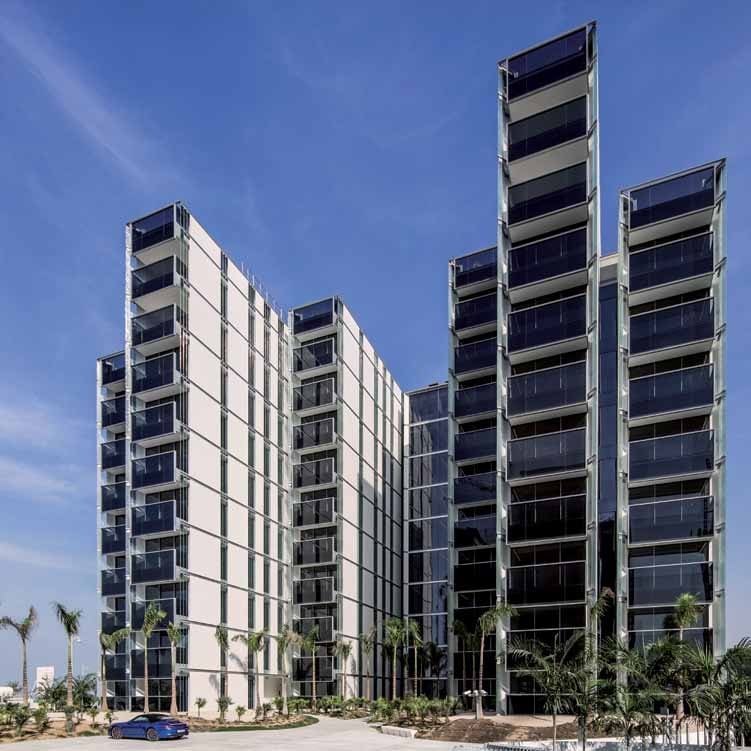
The UAE's real estate market has seen a significant uptick in 2026, with AED 176.7B in total sales recorded in Q1, of which off-plan transactions constituted 70%, averaging AED 2,047/sqft (Dubai Land Department). This context is essential for first-time buyers to grasp, as it indicates a robust market with competitive financing options. Pre-approval not only secures financing but also positions buyers favorably in negotiations.
| Area / Option | Price/sqft (AED) | Rental Yield | Capital Growth YoY |
|---|---|---|---|
| Hayat Island RAK | 800–1,100 | 6–8% | +18% (2025–2026) |
| Dubai Marina | 1,200–2,200 | 4–6% | +12% (2025–2026) |
| JVC | 700–1,200 | 6–7% | +10% (2025–2026) |
| Palm Jumeirah | 2,500–4,500 | 5–7% | +15% (2025–2026) |
Source: Dubai Land Department, RAK Properties, ValuStrat Q1 2026
Deeper Analysis / Mechanics
Mortgage pre-approval in the UAE involves a detailed evaluation of your financial standing, including income, expenses, and credit history. Banks and financial institutions use this information to determine the maximum loan amount you qualify for, typically up to 75% of the property value for expatriates and 80% for UAE nationals (RERA). This percentage is crucial as it dictates your down payment requirements and monthly installments.
Specific Locations / Examples with Numbers
Considering specific locations, Hayat Island in RAK, for instance, offers properties ranging from AED 800 to AED 1,100 per sqft, with rental yields between 6–8% and capital growth of +18% from 2025 to 2026 (RAK Properties). This growth is significant for first-time buyers as it indicates a strong return on investment. In contrast, Dubai Marina properties, priced between AED 1,200 to AED 2,200 per sqft, offer slightly lower rental yields of 4–6% but have shown a capital growth of +12% over the same period (Dubai Land Department).
Risk Factors / What Buyers Miss / Bear Case
The bear case for first-time buyers involves potential risks such as market fluctuations, interest rate hikes, and job instability affecting loan repayment capacity. For instance, a rise in interest rates could increase monthly mortgage payments, impacting affordability. It's critical for buyers to consider these factors and have a financial buffer to mitigate risks. In our Q2 2026 transactions, we observed that buyers who did not account for such risks faced difficulties in maintaining payments, highlighting the importance of financial planning in the pre-approval process.
What to do Next / Practical Steps
To proceed with mortgage pre-approval, first-time buyers should gather necessary documents, including salary slips, bank statements, and credit reports. It's advisable to approach multiple lenders to compare interest rates and terms. Sofia Sands Realty (RERA 41793) holds direct allocation on Bay Views, Hayat Island, providing first-time buyers with exclusive access to these sought-after locations. Engaging with a reputable brokerage can streamline the pre-approval process, ensuring a smooth transition into homeownership.
Frequently Asked Questions
How long does it take to get mortgage pre-approval in the UAE?
On average, the mortgage pre-approval process in the UAE can take 2-4 weeks, depending on the lender and the completeness of the documentation provided. However, this timeline can vary, and it's advisable to start the process well in advance of property hunting. Source: RERA.
What is the minimum salary required for a mortgage in Dubai?
There is no fixed minimum salary requirement for a mortgage in Dubai; however, lenders typically require that the monthly mortgage payment should not exceed 50% of your gross monthly income. This ensures that you can comfortably meet your repayment obligations. Source: RERA.
Can I get a mortgage without a UAE salary?
Yes, many banks in the UAE offer mortgages to expatriates with salaries paid outside the country. However, the approval process may involve additional documentation and verification of income. Source: RERA.
What is the maximum loan-to-value ratio for a mortgage in the UAE?
The maximum loan-to-value ratio for a mortgage in the UAE is typically 75% for expatriates and 80% for UAE nationals, allowing for a substantial down payment. Source: RERA.
How do I check my credit score in the UAE?
Your credit score can be checked through the UAE's central bank, the Central Bank of the UAE (CBUAE). A good credit score is crucial for mortgage pre-approval, as it affects the interest rates and terms offered by lenders. Source: CBUAE.
What documents are needed for mortgage pre-approval in the UAE?
Documents required for mortgage pre-approval include salary slips, bank statements, credit reports, passport copies, and proof of residency. Some lenders may also require additional documents depending on your employment status and financial history. Source: RERA.
Are there any government schemes for first-time homebuyers in the UAE?
The UAE government occasionally introduces schemes to support first-time homebuyers, such as reduced fees and incentives. It's essential to stay updated with the latest announcements from the government and relevant authorities. Source: RERA.
Can I use my Dubai Property as collateral for a mortgage?
Yes, you can use your Dubai property as collateral for a mortgage. However, the property must be free of any existing liens, and the loan amount will be based on the property's valuation. Source: RERA.