
To verify a developer in Dubai before buying off-plan in 2026, conduct thorough due diligence on financial stability, track record, and regulatory compliance.
To verify a developer in Dubai before buying off-plan in 2026, conduct thorough due diligence on financial stability, track record, and regulatory compliance. Review the developer's past projects, current financial health, and RERA registration status. In Q1 2026, Dubai recorded AED 176.7B in total property sales, with off-plan accounting for 70% of transactions (Dubai Land Department). This underscores the importance of vetting developers carefully in a market where off-plan purchases dominate.
Core data and context
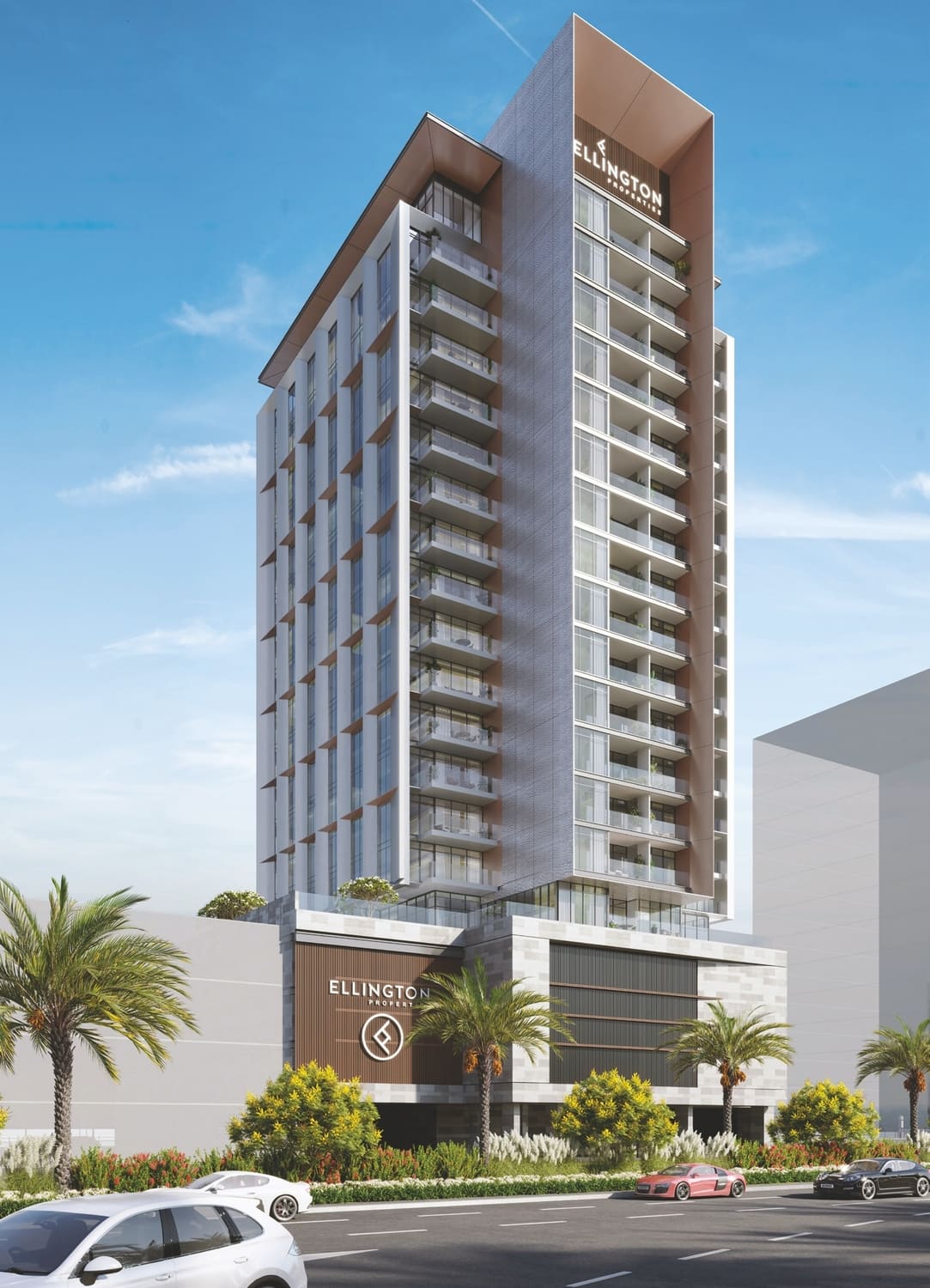
Dubai's property market has seen significant growth in recent years, with off-plan transactions averaging AED 2,047/sqft in Q1 2026, compared to AED 1,713/sqft for ready properties (Dubai Land Department). This highlights the premium buyers are willing to pay for the potential of future developments. To ensure your investment is secure, it's crucial to verify the developer's credibility.
| Area / Option | Price/sqft (AED) | Rental Yield | Capital Growth YoY |
|---|---|---|---|
| Hayat Island RAK | 800–1,100 | 6–8% | +18% (2025–2026) |
| Palm Jumeirah | 2,500–4,500 | 5–7% | +15% (2025–2026) |
| Dubai Marina | 1,200–2,200 | 6–8% | +12% (2025–2026) |
| JVC | 700–1,200 | 7–9% | +10% (2025–2026) |
Source: Dubai Land Department, RAK Properties, ValuStrat Q1 2026
Deeper analysis / mechanics
When considering an off-plan purchase, it's essential to analyze the developer's financial stability. Look for companies with a strong balance sheet and no recent history of financial distress. A robust financial position ensures the project's completion and reduces the risk of delays or cancellations. In our Q2 2026 transactions, we observed that developers with a solid financial background were more likely to deliver on time and within budget.
Additionally, examine the developer's track record. A history of successfully completed projects is a strong indicator of their ability to execute future developments. For instance, RAK Properties reported a 240% YoY increase in transaction volume in Q1 2026, highlighting their growing presence in the market (RAK Properties). Such data points can provide insights into a developer's reliability and performance.
Specific locations / examples with numbers
Focusing on specific locations can provide a clearer picture of a developer's reputation and the potential returns on investment. For example, Hayat Island in RAK has seen significant development, with Cape Hayat being 86.5% complete as of Q1 2026 (RAK Properties). Prices in Hayat Island range from AED 800 to AED 1,100 per sqft, offering a potential rental yield of 6–8% and capital growth of +18% from 2025 to 2026 (ValuStrat).
Comparatively, Palm Jumeirah, a well-established luxury destination, commands prices between AED 2,500 and AED 4,500 per sqft, with a rental yield of 5–7% and capital growth of +15% over the same period. These numbers underscore the premium and stability associated with established locations.
Risk factors / what buyers miss / bear case
The bear case for off-plan investments involves potential oversupply, which can lead to lower rental yields and capital appreciation. For instance, in Business Bay and JVC, where supply has been high, prices range from AED 700 to AED 1,200 per sqft, with rental yields of 7–9% and capital growth of +10% (ValuStrat). Buyers must be aware of such market dynamics to make informed decisions.
Another risk is regulatory non-compliance, which can lead to project delays or cancellations. Ensuring that developers adhere to RERA regulations, such as rent increase limits and trust account rules, is crucial for safeguarding investments.
What to do next / practical steps
To proceed with an off-plan purchase, consult with a reputable brokerage that holds direct allocation on desired projects. Sofia Sands Realty (RERA 41793) holds direct allocation on Bay Views and Hayat Island, providing exclusive access to these developments. Engage with us to leverage our market insights and ensure a secure investment in Dubai's thriving property market.
Frequently Asked Questions
How can I check a developer's financial stability in Dubai?
Review the developer's financial statements and look for a strong balance sheet with low debt levels. Consider hiring a financial advisor to analyze the developer's financial health thoroughly.
What is the importance of a developer's track record?
A developer's track record indicates their ability to complete projects successfully. Look for a history of on-time and on-budget deliveries, which can be verified through public records and customer testimonials.
How do I know if a developer is RERA compliant?
Check the RERA website for the developer's registration status and compliance history. Non-compliance can lead to project delays or cancellations, so ensure the developer adheres to all RERA regulations.
What are the risks of oversupply in Dubai's property market?
Oversupply can lead to lower rental yields and slower capital appreciation. Analyze supply and demand dynamics in the area of interest to mitigate these risks.
How can I estimate the potential rental yield of an off-plan property?
Use historical rental data for similar properties in the area and adjust for expected changes in the market. Consult with a property analyst or use online tools to estimate rental yields accurately.
What is the significance of a project's completion percentage?
A higher completion percentage indicates that the project is progressing as planned, reducing the risk of delays. Developers with significant progress on their projects are generally more reliable.
How do I verify a developer's reputation?
Research online reviews, news articles, and customer testimonials to gauge the developer's reputation. A strong reputation is a sign of reliable and high-quality developments.
What are the implications of a developer's regulatory compliance?
Regulatory compliance ensures that the developer follows all legal requirements, protecting investors from potential fraud or project failure. Non-compliance can lead to severe consequences, including project cancellations.