
Verifying a developer in Dubai or RAK before buying an off-plan property is crucial to mitigate risks and safeguard your investment.
Verifying a developer in Dubai or RAK before buying an off-plan property is crucial to mitigate risks and safeguard your investment. Conduct thorough research using the Dubai Land Department (DLD) and RERA databases, assess the developer's financial stability, track record, and ongoing projects. Key indicators include the developer's market share, completion rates, and customer satisfaction scores. For instance, in Q1 2026, off-plan properties constituted 70% of Dubai's total AED 176.7B in real estate transactions, with an average price of AED 2,047/sqft (Source: DLD).
Core data and context
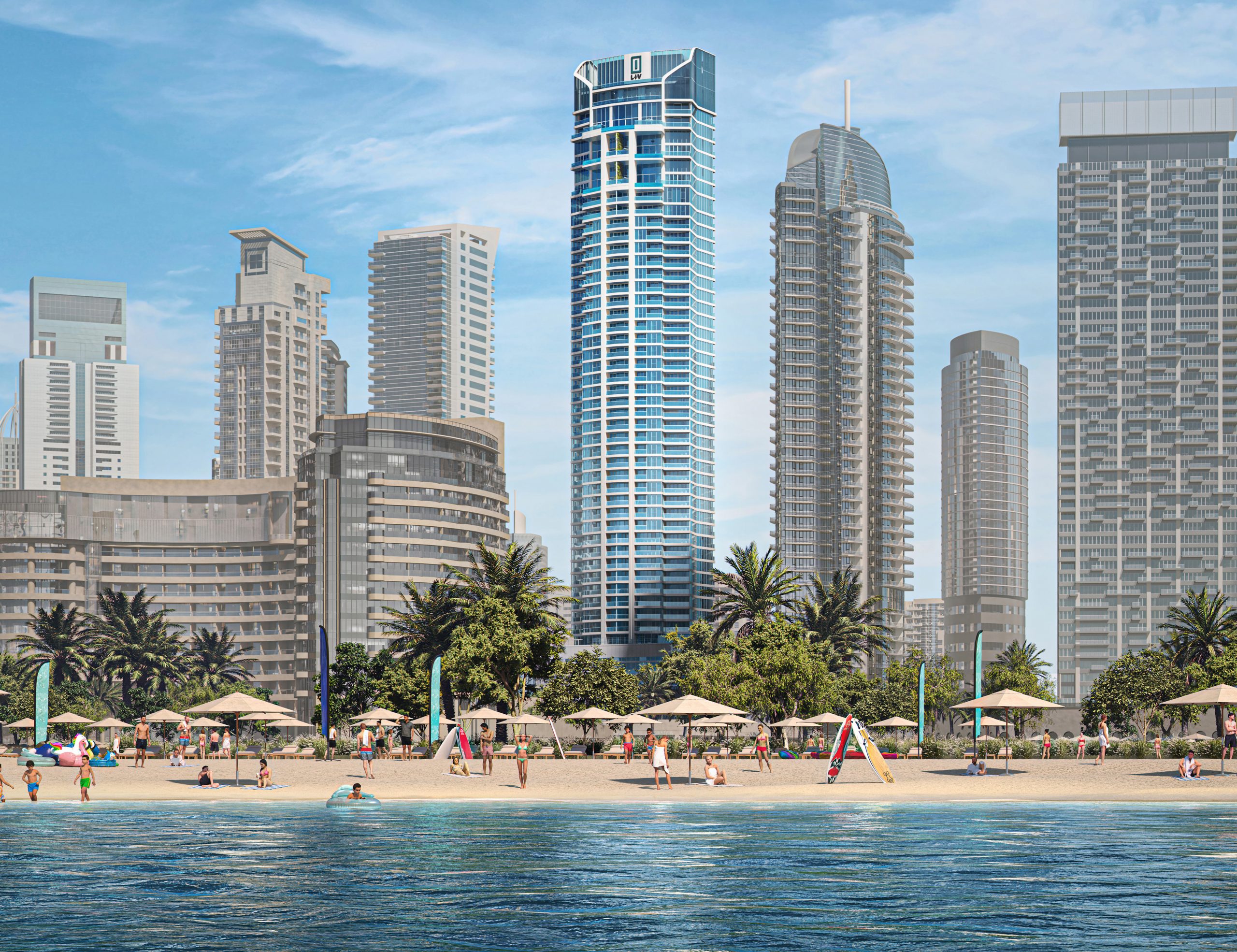
Dubai and RAK's real estate markets offer lucrative opportunities for investors, with off-plan properties being particularly attractive due to their potential for capital appreciation and competitive pricing. In Q1 2026, Dubai property prices averaged AED 1,759/sqft, up 12.5% year-on-year, with ready properties averaging at AED 1,713/sqft (Source: DLD). RAK Properties reported a transaction volume of AED 11B in Q1 2026, marking a 240% increase year-on-year (Source: RAK Properties). Understanding these market dynamics is essential for verifying a developer's credibility and the viability of their projects.
| Area / Option | Price/sqft (AED) | Rental Yield | Capital Growth YoY |
|---|---|---|---|
| Hayat Island RAK | 800–1,100 | 6–8% | +18% (2025–2026) |
| Mina Al Arab RAK | 650–900 | 5–7% | +15% (2025–2026) |
| Al Marjan Island RAK | 1,000–1,300 | 7–9% | +20% (2025–2026) |
| Dubai Marina | 1,200–2,200 | 5–6% | +12% (2025–2026) |
| JVC Dubai | 700–1,200 | 6–7% | +10% (2025–2026) |
Source: Dubai Land Department, RAK Properties, ValuStrat Q1 2026
Deeper analysis / mechanics
Investigating a developer's financial health is paramount. A financially robust developer is more likely to complete projects on time and maintain quality standards. Review their balance sheets, income statements, and cash flow statements to gauge financial stability. Additionally, assess their market share and reputation within the industry. For example, developers with a significant market share, like those responsible for 70% of Dubai's transactions being off-plan, are generally more reliable (Source: DLD).
Examine the developer's track record by reviewing past projects. A history of timely completion and quality construction is a strong indicator of reliability. Look for customer testimonials and ratings on platforms like Property Finder and Dubai Qamar. Additionally, consider the developer's portfolio diversity, as a broad range of projects can signal financial strength and adaptability.
Specific locations / examples with numbers
Hayat Island in RAK, with prices ranging from AED 800 to 1,100/sqft, offers an attractive investment opportunity with rental yields of 6–8% and capital growth of +18% from 2025 to 2026 (Source: ValuStrat). Cape Hayat, a project by RAK Properties, is 86.5% complete and has seen significant progress, indicating the developer's commitment to timely delivery (Source: RAK Properties). In comparison, Palm Jumeirah offers higher price points of AED 2,500–4,500/sqft, while Dubai Marina ranges from AED 1,200–2,200/sqft, providing a spectrum of investment options.
Wynn Al Marjan, set to open in Q1 2027, will feature over 1,500 rooms, a casino, and a convention centre, potentially boosting the appeal of Al Marjan Island and influencing property values in the area. Such developments can be indicators of a growing market and the potential for capital appreciation.
Risk factors / what buyers miss / bear case
While off-plan properties offer compelling investment opportunities, they also come with risks. One common oversight is the lack of physical inspection, which can lead to unexpected issues post-completion. Ensure to review the project's construction progress regularly and stay updated on any legal or financial issues that may affect delivery.
Another risk is overreliance on future projections without considering current market conditions. For instance, while ValuStrat reports a 10% increase in Dubai residential capital values in 2026, it's essential to cross-reference this with global market trends and economic forecasts to avoid overestimating potential returns (Source: ValuStrat).
The bear case for off-plan properties involves delayed completion, cost overruns, or a market downturn affecting rental yields and capital growth. It's crucial to diversify your investment portfolio and not invest more than you can afford to lose, especially in a volatile market.
What to do next / practical steps
To proceed with verifying a developer and securing an off-plan property, engage with reputable brokerages like Sofia Sands Realty (RERA 41793), which holds direct allocation on projects like Bay Views and Hayat Island. Conduct thorough due diligence, including reviewing financial statements, checking RERA ratings, and consulting with legal experts. Stay informed about market trends and regulatory changes to make well-informed investment decisions.
Frequently Asked Questions
How can I check a developer's RERA rating?
Access the RERA website and search for the developer's name or project. The portal provides ratings based on delivery timeliness, construction quality, and customer satisfaction. Source: RERA
What is the average time frame for off-plan property completion in Dubai?
Typically, off-plan properties in Dubai are completed within 2-4 years from the purchase date. However, this can vary based on the project's size and complexity. Source: DLD
How do I verify the legality of an off-plan property?
Ensure the property has the necessary approvals from the DLD and all legal documents, including the master community plan and building permits, are in order. Source: DLD
What are the common risks associated with buying off-plan properties?
The main risks include project delays, cost overruns, and market fluctuations affecting rental yields and capital growth. Diversifying your investment portfolio can mitigate these risks. Source: Knight Frank
How can I track the construction progress of my off-plan property?
Request regular updates from the developer or brokerage, and consider site visits if possible. Some developers offer virtual reality tours or construction cameras for remote monitoring. Source: CBRE
What is the average rental yield for off-plan properties in RAK?
The average rental yield in RAK for off-plan properties ranges from 6-8%, depending on the location and type of property. Source: RAK Properties
How does the Dubai Land Department regulate off-plan sales?
The DLD enforces strict regulations, including the escrow account system, to protect investors' funds and ensure project delivery. Source: DLD
What are the tax implications of buying an off-plan property in Dubai?
There are no property taxes in Dubai; however, consider other costs such as maintenance fees and potential capital gains tax upon selling the property. Source: DLD