
Before purchasing off-plan property in Dubai, it is crucial to verify the developer's registration with the Dubai Land Department (DLD) and the Real Estate Regulatory Agency (RERA).
Before purchasing off-plan property in Dubai, it is crucial to verify the developer's registration with the Dubai Land Department (DLD) and the Real Estate Regulatory Agency (RERA). This ensures the project's legitimacy and adherence to regulatory standards. To check a developer's registration, visit the DLD website and use the 'Developers' tab to search for the developer's name. Additionally, RERA's website provides a 'Developers' list where you can confirm their registration status. This verification is critical, given that off-plan properties accounted for 70% of Dubai's total AED 176.7B property transactions in Q1 2026, with an average price of AED 2,047 per square foot (Source: DLD).
Core Data and Context
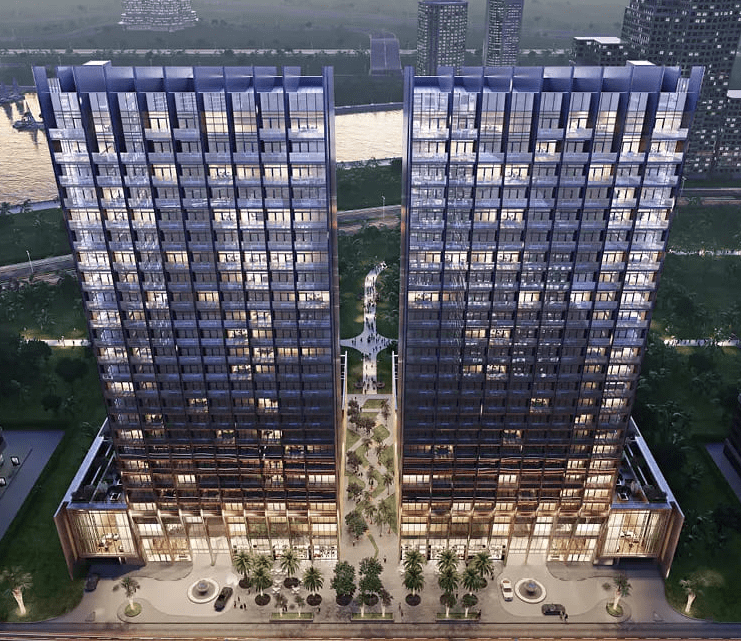
Dubai's real estate market is renowned for its robust regulatory framework, which includes the Dubai Land Department (DLD) and the Real Estate Regulatory Agency (RERA). These entities ensure transparency, protect investor interests, and maintain market stability. The DLD is responsible for the overall real estate sector, including registration and transfer of property ownership, while RERA specifically oversees the development and management of real estate projects to safeguard consumer rights.
| Area / Option | Price/sqft (AED) | Rental Yield | Capital Growth YoY |
|---|---|---|---|
| Hayat Island RAK | 800–1,100 | 6–8% | +18% (2025–2026) |
| Palm Jumeirah | 2,500–4,500 | 5–7% | +12% (2025–2026) |
| Dubai Marina | 1,200–2,200 | 6–7% | +10% (2025–2026) |
| JVC | 700–1,200 | 7–9% | +8% (2025–2026) |
| Business Bay | 1,000–1,800 | 6–8% | +9% (2025–2026) |
Source: Dubai Land Department, RAK Properties, ValuStrat Q1 2026
Deeper Analysis / Mechanics
The verification process begins with accessing the DLD's official website. Under the 'Developers' tab, you can search for the developer's name to find their registration details, including their license number and the status of their projects. This information is crucial as it indicates whether the developer is authorized to sell properties and if they are in compliance with DLD regulations.
Similarly, RERA's website provides a comprehensive list of registered developers. Here, you can cross-check the developer's registration and ensure that their projects meet RERA's stringent requirements. RERA's role is pivotal in ensuring project delivery standards and protecting investor interests through regulations such as rent increase limits and tenant rights.
Specific Locations / Examples with Numbers
Consider Hayat Island in Ras Al Khaimah, where 86.5% of Cape Hayat is complete as of Q1 2026, with transactions volumes in RAK reaching AED 11B, a 240% increase year-on-year (Source: RAK Properties). Verifying the developer's registration for such projects is essential, given the significant investment and the island's potential for capital growth, which stood at +18% from 2025 to 2026 (Source: ValuStrat).
Another example is Palm Jumeirah, where prices range from AED 2,500 to AED 4,500 per square foot, with capital values increasing by 12% in 2026 (Source: ValuStrat). Ensuring the developer's registration with DLD and RERA is imperative for investors looking to capitalize on these figures.
Risk Factors / What Buyers Miss / Bear Case
While Dubai's real estate market is known for its growth and stability, there are inherent risks in any investment. One common oversight is the failure to verify the developer's financial health and project feasibility. A project's delay or cancellation can lead to significant financial losses. For instance, in 2025, a few developers faced liquidity issues, leading to project delays (Source: Knight Frank).
Another risk is the overestimation of rental yields and capital appreciation. While areas like Dubai Marina offer attractive yields of 6-7%, actual returns can vary based on market conditions and property management (Source: CBRE). It's crucial for investors to conduct thorough due diligence, including verifying the developer's registration, to mitigate these risks.
What to do Next / Practical Steps
After verifying the developer's registration with DLD and RERA, the next step is to review the project's details, including its location, pricing, and payment plan. Engaging with a reputable brokerage can provide further insights and assist in the purchase process. Sofia Sands Realty (RERA 41793) holds direct allocation on Bay Views and Hayat Island, offering investors access to prime properties with verified developers.
Frequently Asked Questions
How can I check if a developer is registered with DLD?
Visit the DLD website and navigate to the 'Developers' tab. Search for the developer's name to view their registration status and project details. Source: DLD.
What information can I find on RERA's website about developers?
RERA's website provides a list of registered developers, including their project status and compliance with regulatory standards. Source: RERA.
Why is it important to verify a developer's registration?
Verification ensures the developer's legitimacy, adherence to regulations, and financial stability, protecting investors from potential risks. Source: DLD, RERA.
How does RERA protect investor interests?
RERA oversees project development, ensures delivery standards, and regulates rental increases and tenant rights, safeguarding investor interests. Source: RERA.
What are the consequences of buying from an unregistered developer?
Investing in an unregistered developer's project can lead to financial losses, project delays, or even cancellations due to non-compliance with regulations. Source: Knight Frank.
How can I verify the financial health of a developer?
Review the developer's financial statements, track record, and market reputation. Engaging a financial advisor or real estate consultant can provide further insights. Source: CBRE.
What are the common pitfalls in off-plan property investments?
Common pitfalls include overestimating rental yields, underestimating capital appreciation, and failing to verify the developer's registration and financial health. Source: ValuStrat.
How do I know if a project is legitimate?
A legitimate project will have a registered developer, approved plans, and a clear timeline for completion. Verifying these aspects through DLD and RERA is crucial. Source: DLD, RERA.