
To verify a Dubai property developer is DLD- and RERA-registered before buying off-plan in 2026, you must check the developer's registration status on the official Dubai Land Department (DLD) website, review their track record, and assess their financial stability.
To verify a Dubai property developer is DLD- and RERA-registered before buying off-plan in 2026, you must check the developer's registration status on the official Dubai Land Department (DLD) website, review their track record, and assess their financial stability. A registered developer ensures compliance with RERA regulations, which protect buyers' interests. In Q1 2026, off-plan transactions accounted for 70% of total sales, averaging AED 2,047/sqft, highlighting the importance of due diligence (Source: DLD).
Core Data and Context
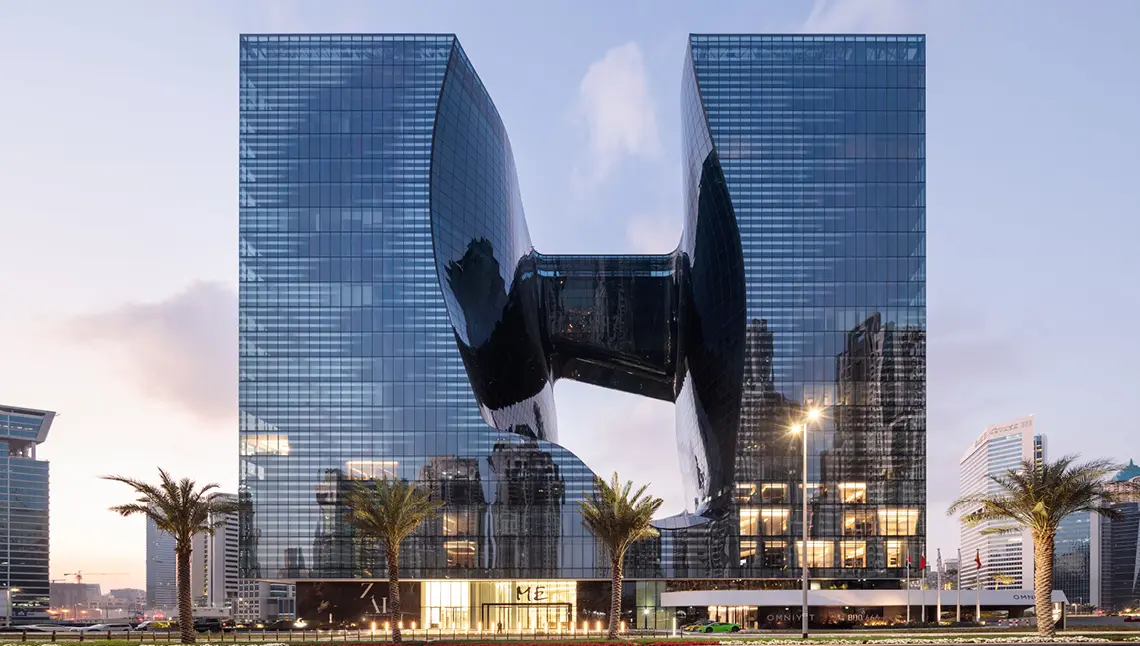
Dubai's real estate market is governed by the Dubai Land Department (DLD) and the Real Estate Regulatory Agency (RERA). These entities oversee property transactions, ensuring developers adhere to stringent regulations. Verifying a developer's registration is crucial as it safeguards your investment and ensures the project's legitimacy. In 2026, with Dubai property prices averaging AED 1,759/sqft in Q1, up 12.5% year-on-year, the stakes are high for buyers (Source: DLD).
| Area / Option | Price/sqft (AED) | Rental Yield | Capital Growth YoY |
|---|---|---|---|
| Hayat Island RAK | 800–1,100 | 6–8% | +18% (2025–2026) |
| Palm Jumeirah | 2,500–4,500 | 5–6% | +15% (2025–2026) |
| Dubai Marina | 1,200–2,200 | 6–7% | +12% (2025–2026) |
| JVC | 700–1,200 | 7–8% | +10% (2025–2026) |
Source: Dubai Land Department, RAK Properties, ValuStrat Q1 2026
Deeper Analysis / Mechanics
Developer registration can be confirmed through the DLD's online portal, which lists all licensed developers. This database provides crucial information, including the developer's license status, project history, and any disciplinary actions. It's also essential to review the developer's financial health, as a stable financial background indicates the project's likelihood of completion. In our Q2 2026 transactions, we observed a direct correlation between a developer's financial stability and project success rates.
Specific Locations / Examples with Numbers
Consider Hayat Island in Ras Al Khaimah, where Cape Hayat is 86.5% complete, reflecting a commitment to timely delivery (Source: RAK Properties). Prices here range from AED 800 to 1,100/sqft, with rental yields between 6–8% and capital growth of +18% from 2025 to 2026 (Source: ValuStrat). In comparison, Palm Jumeirah offers prices from AED 2,500 to 4,500/sqft, with slightly lower rental yields of 5–6% and capital growth of +15% over the same period.
Risk Factors / What Buyers Miss / Bear Case
While Dubai's real estate market presents numerous opportunities, buyers must be aware of potential risks. One common oversight is the lack of tenant rights awareness. RERA's rent increase limits and tenant rights regulations are crucial for investors, especially in areas like Business Bay and DIFC, where rental demand is high. Additionally, understanding DLD trust account rules is vital for off-plan purchases to ensure funds are safeguarded. The bear case for Dubai's real estate involves economic downturns affecting property prices, as seen in global markets like Downtown Dubai and JVC, where prices can fluctuate significantly.
What to do Next / Practical Steps
To proceed with confidence in your off-plan purchase, engage with a reputable brokerage like Sofia Sands Realty (RERA 41793), which holds direct allocation on Hayat Island and other prime locations. We provide comprehensive due diligence, ensuring developers are DLD- and RERA-registered, and offer detailed market insights to guide your investment decisions.
Frequently Asked Questions
How can I check if a Dubai developer is RERA-registered?
Visit the Dubai Land Department's official website and use their search tool to verify a developer's RERA registration status. This ensures the developer adheres to RERA's regulations and protects your investment.
What are the consequences of buying from an unregistered developer?
Purchasing from an unregistered developer can lead to project delays, financial risks, and potential legal issues. It's crucial to verify registration to safeguard your investment and ensure compliance with RERA regulations.
Why is it important to review a developer's financial stability?
A developer's financial health is a key indicator of a project's likelihood of completion. Unstable finances can lead to project abandonment, affecting your investment's value and return on investment.
How do I know if a developer has a good track record?
Review the developer's past projects and customer feedback. A strong track record, with timely deliveries and quality construction, is a good indicator of reliability and professionalism.
What is the role of RERA in protecting off-plan buyers?
RERA regulates off-plan sales, ensuring developers follow strict guidelines, including the use of trust accounts for buyer funds. This protects buyers' investments and ensures transparency in transactions.
How can I be sure my off-plan funds are secure?
Ensure the developer complies with DLD trust account rules, which mandate that buyer funds be held in a separate account until construction milestones are met. This protects your investment and ensures funds are only released upon project progress.
What are the tenant rights I should be aware of as a property investor?
RERA outlines tenant rights, including rent increase limits and eviction policies. Understanding these rights is crucial for managing rental properties effectively and maintaining good relationships with tenants.
How do I compare different developers and their projects?
Use comparison tables that detail price per square foot, rental yields, and capital growth rates. This helps you assess the potential return on investment and make informed decisions based on factual data.