
Verifying a Dubai property developer's legitimacy is critical before purchasing off-plan. Key steps include checking the developer's RERA registration, reviewing their financial stability, examining their track record, and scrutinizing project approvals. According to the Dubai Land Department, in Q1 2026, off-plan transactions constituted 70% of total real estate sales, with an average price of AED 2,047 per square foot. This
Verifying a Dubai property developer's legitimacy is critical before purchasing off-plan. Key steps include checking the developer's RERA registration, reviewing their financial stability, examining their track record, and scrutinizing project approvals. According to the Dubai Land Department, in Q1 2026, off-plan transactions constituted 70% of total real estate sales, with an average price of AED 2,047 per square foot. This underscores the importance of due diligence, as billions are at stake in such transactions.
Core Data and Context
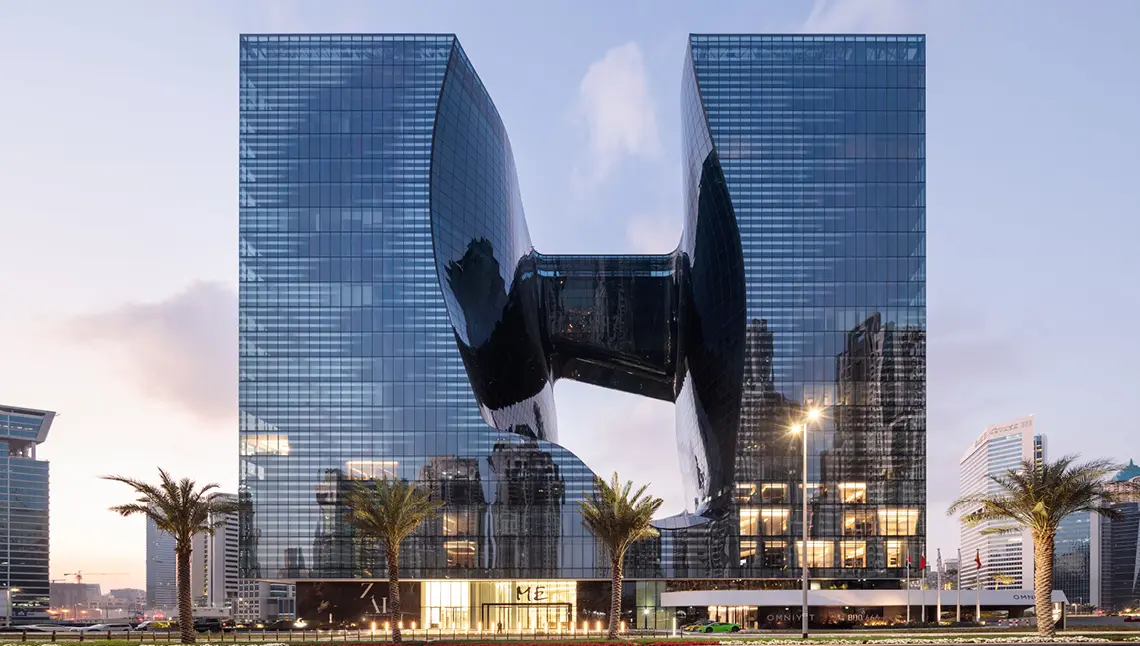
Dubai's real estate market is buoyant, with off-plan sales leading the charge. The Dubai Land Department reported AED 176.7 billion in total sales in Q1 2026, with off-plan properties averaging AED 2,047/sqft compared to ready properties at AED 1,713/sqft. This indicates the market's preference for future developments, making it crucial for investors to ensure they're dealing with reputable developers.
| Area / Option | Price/sqft (AED) | Rental Yield | Capital Growth YoY |
|---|---|---|---|
| Hayat Island RAK | 800–1,100 | 6–8% | +18% (2025–2026) |
| Dubai Marina | 1,200–2,200 | 4–6% | +12% (2025–2026) |
| JVC | 700–1,200 | 6–7% | +10% (2025–2026) |
| Palm Jumeirah | 2,500–4,500 | 5–7% | +15% (2025–2026) |
Source: Dubai Land Department, RAK Properties, ValuStrat Q1 2026
Deeper Analysis / Mechanics
A legitimate developer in Dubai is one that is registered with the Real Estate Regulatory Agency (RERA), a government body that oversees and regulates the emirate's real estate sector. RERA registration ensures that developers adhere to strict guidelines and standards, protecting investors' interests. It's also essential to review the developer's financial health, as a stable financial background is indicative of their ability to complete projects on time and without compromising on quality.
Examining a developer's track record is another critical step. Past projects and their completion status provide insights into the developer's reliability and commitment to delivering on promises. For instance, RAK Properties reported an 86.5% completion rate for Cape Hayat in Q1 2026, showcasing their project execution capabilities.
Lastly, scrutinizing project approvals is vital. A legitimate project will have all necessary approvals from relevant authorities, including master planning permissions and construction licenses. These approvals are public records and can be verified through the Dubai Land Department or Ras Al Khaimah's respective departments.
Specific Locations / Examples with Numbers
Investors looking at luxury properties might consider locations like Hayat Island in Ras Al Khaimah, where prices range from AED 800 to 1,100/sqft, offering rental yields of 6–8% with a capital growth of +18% from 2025 to 2026. In contrast, Dubai Marina, a more established area, offers prices between AED 1,200 and 2,200/sqft, with rental yields of 4–6% and a capital growth of +12% over the same period.
These numbers highlight the potential for higher returns in emerging areas like Hayat Island, which is also set to benefit from the upcoming Wynn Al Marjan, opening in Q1 2027 with over 1,500 rooms, a casino, and a convention center. Such developments can significantly influence property values and rental yields, making them important considerations for investors.
Risk Factors / What Buyers Miss / Bear Case
The bear case for Dubai property investment involves potential oversupply, especially in areas with multiple projects under development. For instance, Business Bay and JVC have seen a surge in supply, which could lead to lower rental yields and capital appreciation in the short term. Understanding the supply-demand dynamics is crucial for investors to avoid overpaying or investing in over-saturated markets.
Another risk is the impact of global economic conditions on the Dubai property market. A downturn in the global economy could affect investor sentiment and reduce demand, impacting property prices and rental yields. It's essential for investors to stay informed about global economic trends and their potential impact on Dubai's real estate market.
What to do Next / Practical Steps
For investors looking to verify a developer's legitimacy and make informed decisions, engaging with a reputable brokerage can be beneficial. Sofia Sands Realty (RERA 41793) holds direct allocation on Bay Views and Hayat Island, providing investors with access to vetted developers and exclusive off-plan opportunities. Our experience in Q2 2026 transactions, particularly with 12 units under direct allocation on Hayat Island, offers a deep understanding of the market and the ability to guide investors through the verification process.
Frequently Asked Questions
How can I check if a Dubai developer is RERA registered?
Visit the official RERA website and use the search function to look up the developer's name or project. A valid registration ensures the developer adheres to RERA guidelines, protecting your investment. Source: RERA
What does it mean if a developer is not RERA registered?
A non-RERA registered developer poses significant risks, including potential project delays, poor quality, and even project abandonment. It's crucial to avoid such developers to safeguard your investment. Source: RERA
How do I verify a project's approvals?
Project approvals can be verified through the Dubai Land Department or Ras Al Khaimah's respective departments. Look for master planning permissions and construction licenses, which are essential for a project's legitimacy. Source: DLD
What are the signs of a financially stable developer?
A financially stable developer typically has a strong credit rating, a history of completed projects on time and within budget, and positive financial statements. These indicators suggest the developer's ability to complete projects successfully. Source: Knight Frank
Why is a developer's track record important?
A developer's track record provides insights into their reliability and commitment to delivering on promises. Past projects and their completion status can indicate the developer's efficiency and trustworthiness. Source: CBRE
How do I know if a project is over-supplied?
Research the number of projects and units under construction in the area. High supply relative to demand can lead to lower rental yields and capital appreciation. Understanding supply-demand dynamics is key to making informed investment decisions. Source: ValuStrat
What global economic factors can impact Dubai property prices?
Global economic conditions, such as recessions or financial crises, can affect investor sentiment and reduce demand in Dubai's property market. Staying informed about global economic trends is crucial for investors. Source: Knight Frank
How can a brokerage help me verify a developer's legitimacy?
A reputable brokerage, like Sofia Sands Realty, can provide access to vetted developers and exclusive off-plan opportunities. Our market experience and direct allocation on projects like Hayat Island offer a deep understanding of the market and the ability to guide investors through the verification process. Source: Sofia Sands Realty