
To verify that a Dubai property developer is RERA-registered and that an off-plan project is properly escrow-registered in 2026, you must first check the Dubai Land Department (DLD) website for the developer's RERA registration number.
To verify that a Dubai property developer is RERA-registered and that an off-plan project is properly escrow-registered in 2026, you must first check the Dubai Land Department (DLD) website for the developer's RERA registration number. Next, confirm the project's escrow account details on the DLD's Escrow Account Management System. This process is critical as it ensures the developer's credibility and the financial security of your investment, with AED 176.7 billion in total sales recorded in Q1 2026, of which off-plan transactions accounted for 70% (Source: DLD).
Core Data and Context
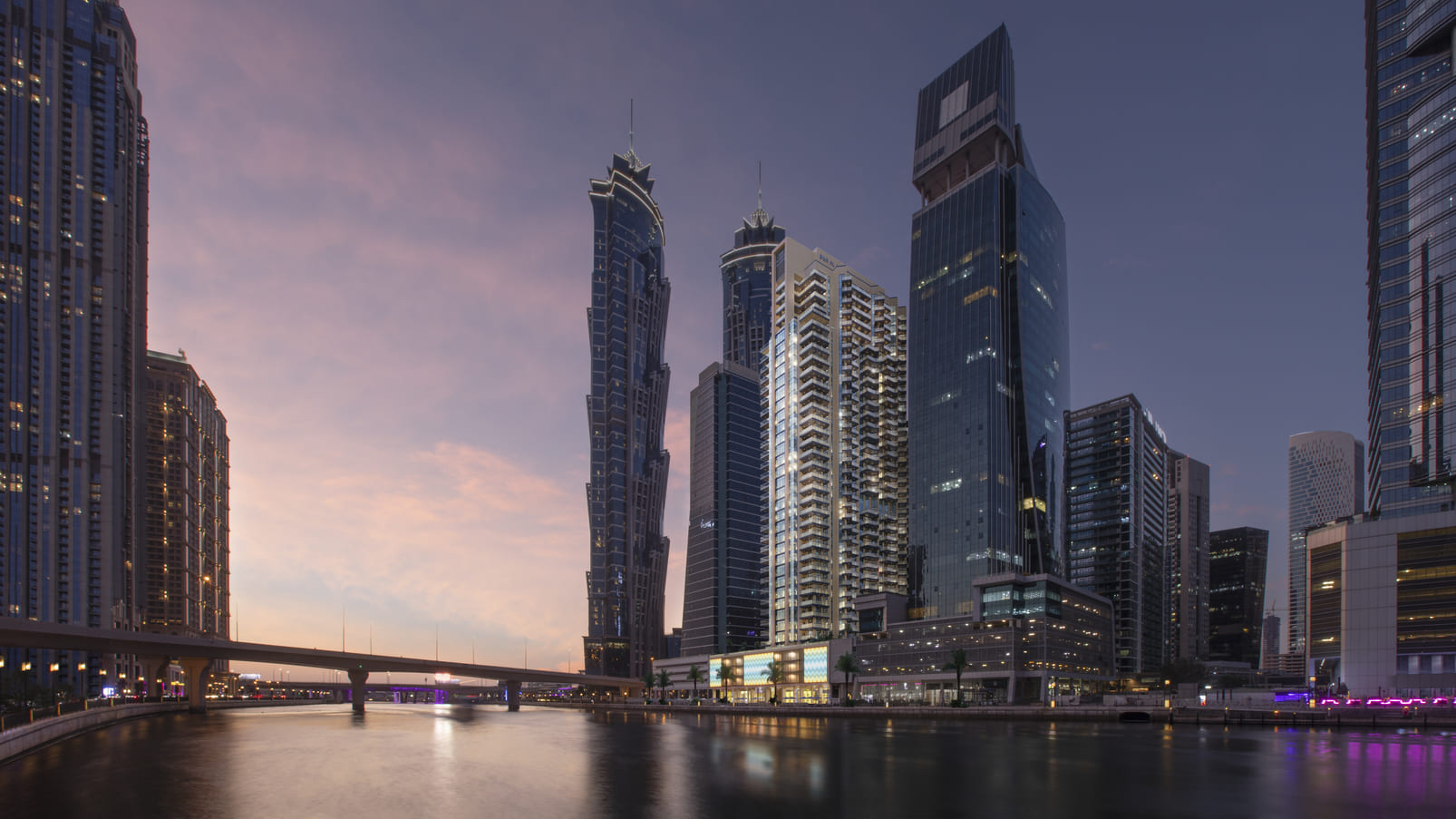
Understanding the regulatory framework is essential in Dubai's real estate market. The Real Estate Regulatory Agency (RERA), a department of the DLD, oversees all property transactions to protect investors. RERA registration ensures that developers adhere to the set guidelines and standards. An escrow account, as mandated by RERA, holds funds in a trust until construction milestones are met, safeguarding buyers' investments.
| Area / Option | Price/sqft (AED) | Rental Yield | Capital Growth YoY |
|---|---|---|---|
| Hayat Island RAK | 800–1,100 | 6–8% | +18% (2025–2026) |
| Dubai Marina | 1,200–2,200 | 4–6% | +12% (2025–2026) |
| JVC | 700–1,200 | 6–7% | +7% (2025–2026) |
| Palm Jumeirah | 2,500–4,500 | 5–7% | +15% (2025–2026) |
Source: Dubai Land Department, RAK Properties, ValuStrat Q1 2026
Deeper Analysis / Mechanics
The verification process begins with accessing the DLD website to search for the developer's RERA registration number. This number is a unique identifier that confirms the developer's legitimacy and compliance with RERA regulations. Once you have the RERA number, you can proceed to verify the escrow account registration. The DLD's Escrow Account Management System provides transparency on the project's financial status, ensuring that funds are only released upon achieving specific construction milestones.
Specific Locations / Examples with Numbers
Consider Hayat Island in Ras Al Khaimah, where RAK Properties reported an AED 11 billion transaction volume in Q1 2026, marking a 240% year-on-year increase. Cape Hayat, part of Hayat Island, is 86.5% complete, with an average price of AED 800–1,100 per sqft and a capital growth of +18% from 2025 to 2026 (Source: RAK Properties). These figures underscore the importance of due diligence, as investors in such projects need to ensure that their chosen developer is RERA-registered and that the project is escrow-registered for financial security.
Risk Factors / What Buyers Miss / Bear Case
While Dubai's property market has shown resilience with a 10% increase in residential capital values in 2026 (Source: ValuStrat), it is crucial for buyers to be aware of potential risks. One common oversight is the lack of verification of a developer's financial stability and project feasibility. This can lead to project delays or even abandonment. The bear case scenario would involve a downturn in the market, affecting rental yields and capital growth. For instance, a drop in demand could reduce rental yields in areas like Dubai Marina, which currently offer 4–6% (Source: ValuStrat). Investors must consider such risks and conduct thorough due diligence.
What to do Next / Practical Steps
As a buyer, your next steps should involve reaching out to a reputable brokerage with direct allocation on projects like Hayat Island. Sofia Sands Realty (RERA 41793) holds direct allocation on Bay Views, Hayat Island, providing investors with access to verified, RERA-registered projects with properly escrow-registered funds. Engaging with a trusted partner can simplify the verification process and ensure that your investment is secure in a market that continues to offer attractive opportunities, despite the inherent risks.
Frequently Asked Questions
How can I find a developer's RERA registration number?
Access the Dubai Land Department's website and use their search tool to find a developer's RERA registration number, which is a unique identifier for legitimacy and compliance.
What is the purpose of an escrow account in property transactions?
An escrow account holds funds in trust until predefined construction milestones are met, ensuring that investors' money is secure and only released upon project progress.
How does RERA protect investors in Dubai's property market?
RERA oversees all property transactions, ensuring developers adhere to guidelines and standards, thus protecting investors' interests and promoting market transparency.
What are the consequences of investing in an unregistered project?
Investing in an unregistered project can lead to financial risks, including potential fraud and lack of legal protection, as these projects are not regulated by RERA.
How can I verify that a project's escrow account is active and compliant?
Use the DLD's Escrow Account Management System to check the project's financial status and ensure that funds are being held securely and released only upon achieving construction milestones.
What are the signs of a financially stable developer?
A financially stable developer will have a clear track record of completed projects, positive financial statements, and a RERA registration that is up-to-date.
How do I know if a project is likely to deliver on time?
Check the developer's history of project deliveries, the frequency of construction updates, and the project's progress against its announced timeline.
What are the risks of investing in off-plan properties?
The primary risks include project delays, cost overruns, and potential changes in market conditions that could affect the project's value upon completion.