
In 2026, a Dubai property buyer's journey post-agreement on price involves a meticulous legal process.
In 2026, a Dubai property buyer's journey post-agreement on price involves a meticulous legal process. This begins with the submission of Form F to the Dubai Land Department (DLD), securing a No Objection Certificate (NOC) from the developer, proceeding through the trustee office for property transfer, and culminating in the issuance of the title deed. A critical statistic to note is that in Q1 2026, Dubai property prices averaged AED 1,759/sqft, up 12.5% year-on-year, indicating a robust market (Dubai Land Department).
Core Data and Context
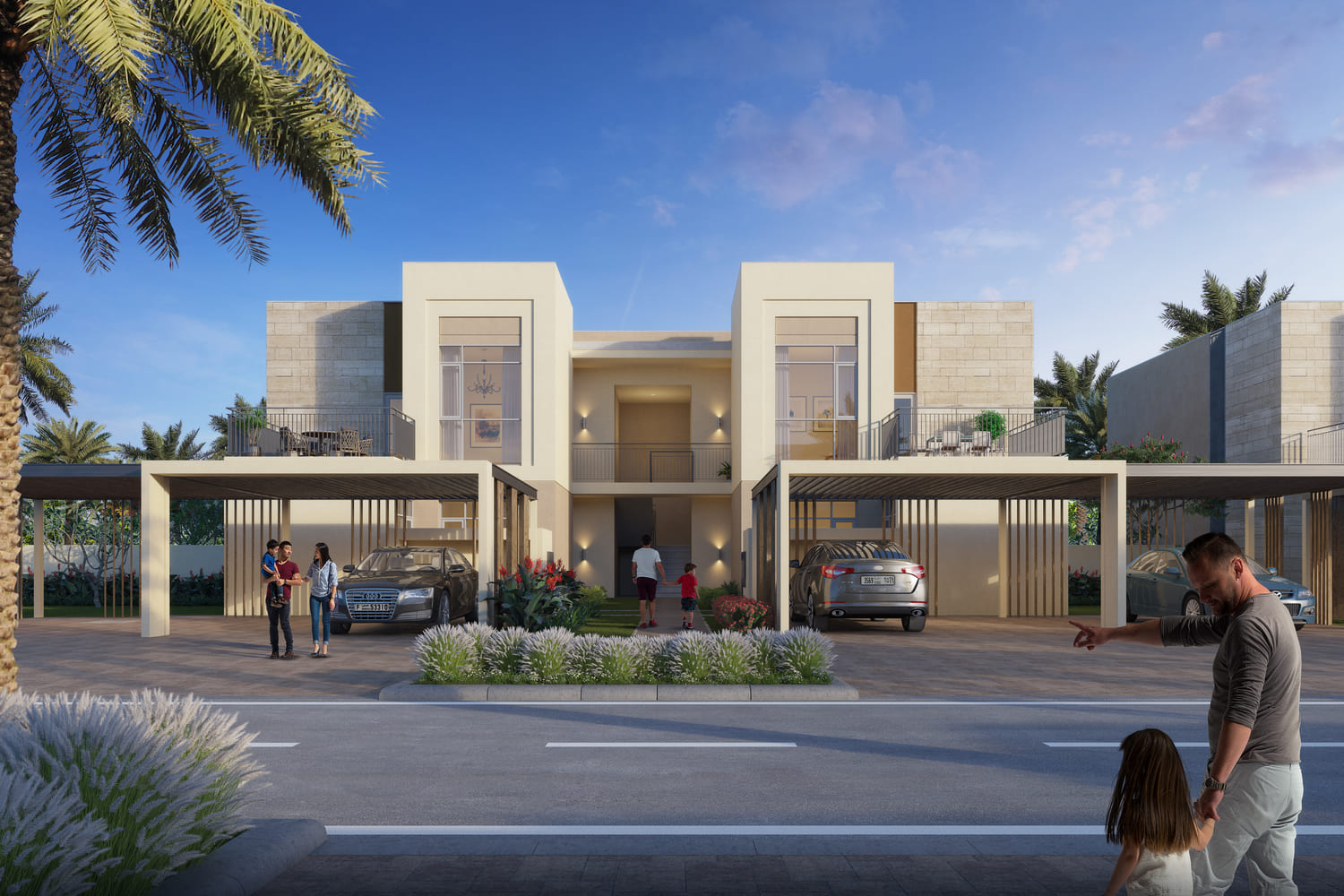
The Dubai real estate market, renowned for its transparency and regulation, demands a series of legal steps post-agreement on price to ensure secure transactions. These steps are designed to protect both the buyer and the seller, providing a structured framework for property transactions.
| Area / Option | Price/sqft (AED) | Rental Yield | Capital Growth YoY |
|---|---|---|---|
| Hayat Island RAK | 800–1,100 | 6–8% | +18% (2025–2026) |
| Mina Al Arab | 900–1,200 | 5–7% | +15% (2025–2026) |
| Al Marjan Island | 1,000–1,500 | 6–7% | +20% (2025–2026) |
| Dubai Marina | 1,200–2,200 | 4–6% | +12% (2025–2026) |
| JVC | 700–1,200 | 7–9% | +10% (2025–2026) |
Source: Dubai Land Department, RAK Properties, ValuStrat Q1 2026
Deeper Analysis / Mechanics
After agreeing on a price, the buyer must submit Form F to the DLD, which is a legal agreement that outlines the terms of the sale, including the property details, agreed price, and payment plan. This form is crucial as it initiates the official process and is often accompanied by an initial deposit, typically 5-10% of the property value.
The No Objection Certificate (NOC) is the next step, obtained from the developer, which confirms the developer's consent to the sale and verifies the property's clear title. This is a critical step, especially in off-plan transactions where the property is yet to be completed.
The trustee office then becomes involved, overseeing the transfer of the property from the seller to the buyer. This office ensures that funds are securely held and only released upon the fulfillment of agreed conditions, providing a safeguard to both parties.
Finally, the issuance of the title deed marks the completion of the transaction. The DLD issues the title deed, confirming legal ownership of the property. This document is essential for future transactions and serves as proof of ownership.
Specific Locations / Examples with Numbers
Consider Hayat Island in Ras Al Khaimah, where properties range from AED 800 to AED 1,100 per square foot, offering rental yields of 6-8% with a capital growth of +18% from 2025 to 2026 (RAK Properties). This area, with its upcoming Wynn Al Marjan resort, slated to open in Q1 2027 with over 1,500 rooms, a casino, and convention center, presents a significant investment opportunity.
Comparatively, properties in Dubai Marina, a more established market, range from AED 1,200 to AED 2,200 per square foot, with slightly lower rental yields of 4-6% and a capital growth of +12% over the same period (Dubai Land Department).
Risk Factors / What Buyers Miss / Bear Case
While the Dubai property market is robust, with ValuStrat reporting a +10% increase in residential capital values in 2026, buyers must be aware of potential risks. These include market volatility, interest rate changes affecting mortgage costs, and project delays which can impact rental yields and capital appreciation.
Buyers often overlook the importance of thorough due diligence, including verifying the developer's track record and the property's legal status. Additionally, understanding the rental market and occupancy rates is crucial for investors focusing on yield.
What to do Next / Practical Steps
For buyers navigating the Dubai property market, engaging with a reputable brokerage can simplify the process. Sofia Sands Realty, with direct allocation on Hayat Island and other prime locations, can provide expert guidance and ensure compliance with all legal steps.
Frequently Asked Questions
What is the typical percentage for an initial deposit in Dubai?
The initial deposit in Dubai is typically 5-10% of the property value, ensuring the buyer's commitment to the purchase (DLD).
How long does it take to obtain a NOC in Dubai?
The NOC process can take anywhere from a few days to a couple of weeks, depending on the developer's responsiveness and the clarity of the property title (DLD).
What are the benefits of using a trustee office for property transfers?
A trustee office ensures secure transactions by holding funds until agreed conditions are met, protecting both the buyer and the seller from potential fraud or default (DLD).
Why is the issuance of the title deed important?
The title deed is a legal document confirming the buyer's ownership and is essential for future transactions, such as selling or leasing the property (DLD).
What happens if the developer delays the project completion?
In case of project delays, buyers may face financial strain due to potential rent loss and should review their purchase agreement for clauses addressing such scenarios (DLD).
How can I verify the legality of a property in Dubai?
Buyers can verify a property's legal status through the DLD's official website or by consulting with a legal advisor to ensure there are no encumbrances or disputes (DLD).
What are the tax implications of owning property in Dubai?
While Dubai does not have property taxes, buyers should be aware of potential fees such as municipal fees and service charges, which can vary by development (DLD).
How does the Dubai rental market affect my property investment?
The rental market is a key factor for investors, as it influences the property's cash flow. Understanding the local market demand, rental rates, and occupancy rates is crucial for yield-focused investments (Knight Frank).