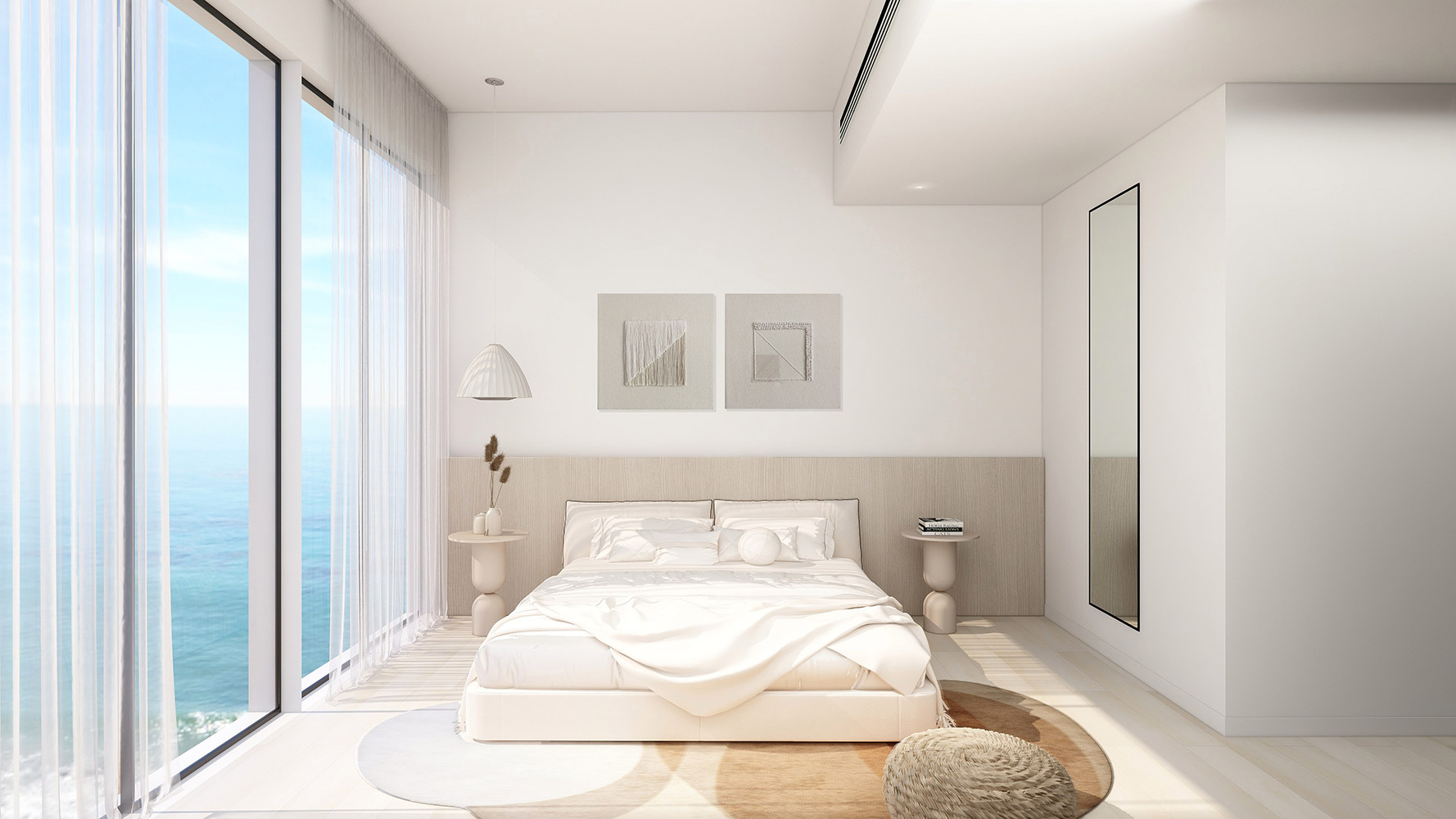
For first-time buyers in Dubai in 2026, purchasing property involves a streamlined process that includes understanding the market, securing financing, and navigating legal requirements.
For first-time buyers in Dubai in 2026, purchasing property involves a streamlined process that includes understanding the market, securing financing, and navigating legal requirements. Key steps include researching the market, obtaining an Ejari registration, securing a mortgage if necessary, and finalizing the purchase through the Dubai Land Department (DLD). The average price per square foot in Dubai stood at AED 1,759 in Q1 2026, up 12.5% year-on-year, indicating a robust market (DLD).
Core data and context
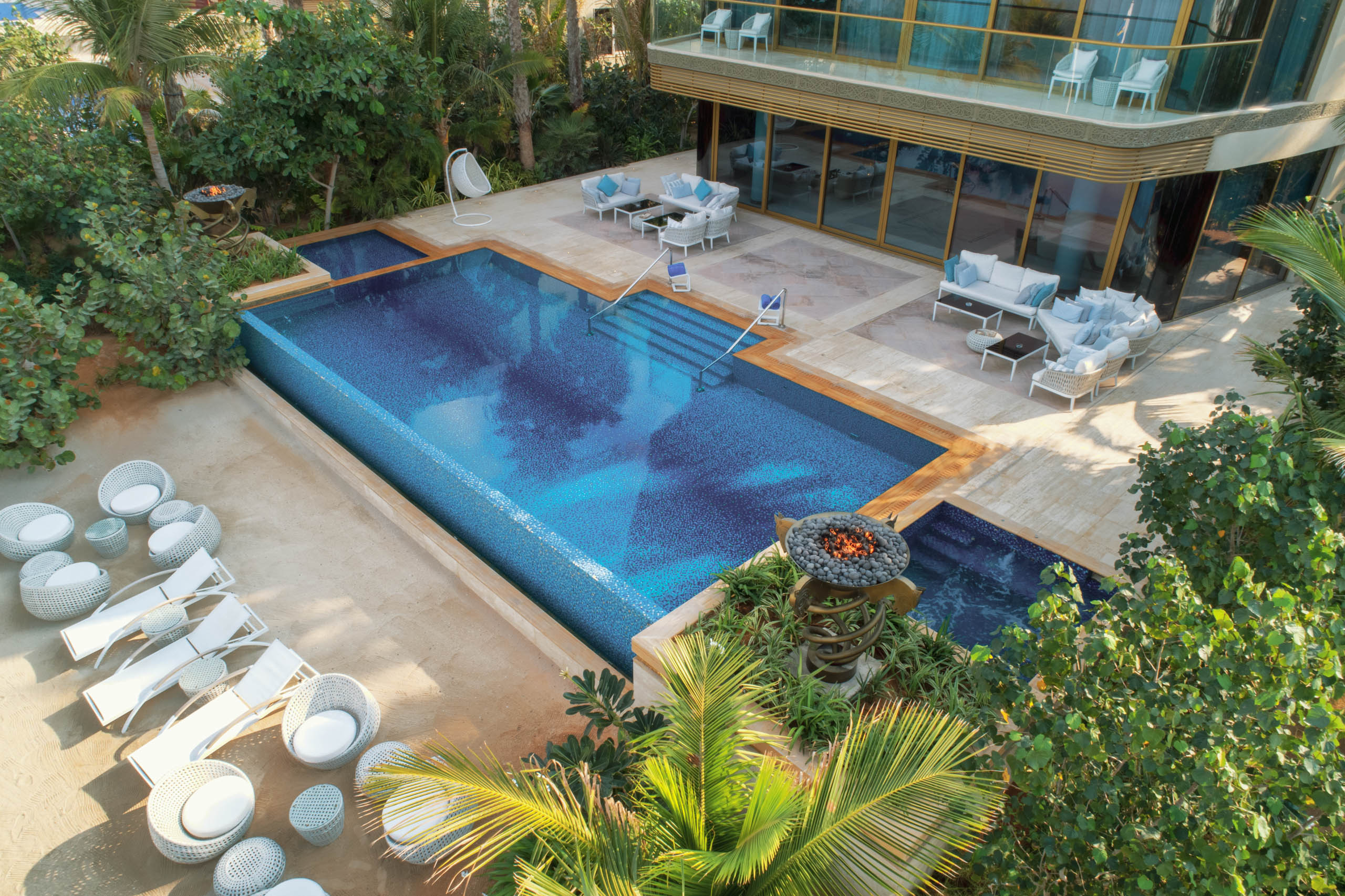
Dubai's property market has seen significant growth, with Q1 2026 witnessing AED 176.7 billion in total sales, driven by a 70% share of off-plan transactions (DLD). The average price for off-plan properties was AED 2,047 per square foot, while ready properties averaged AED 1,713 per square foot (DLD). This growth presents opportunities for first-time buyers, who must consider factors such as location, budget, and future prospects.
| Area / Option | Price/sqft (AED) | Rental Yield | Capital Growth YoY |
|---|---|---|---|
| Hayat Island RAK | 800–1,100 | 6–8% | +18% (2025–2026) |
| Palm Jumeirah | 2,500–4,500 | 5–7% | +12% (2025–2026) |
| Dubai Marina | 1,200–2,200 | 6–7% | +15% (2025–2026) |
| JVC | 700–1,200 | 7–9% | +10% (2025–2026) |
Source: Dubai Land Department, RAK Properties, ValuStrat Q1 2026
Deeper analysis / mechanics
The process of purchasing property in Dubai for first-time buyers involves several critical steps. Initially, buyers should research the market to understand price trends and identify areas with potential for capital appreciation and rental yields. For instance, Hayat Island in RAK has seen an 18% capital growth from 2025 to 2026, making it an attractive option for investors (RAK Properties). Securing financing is also crucial; most buyers require a mortgage, which involves a credit assessment and income verification.
In our Q2 2026 transactions, we observed that buyers often prioritize areas with strong infrastructure and upcoming projects, such as the Wynn Al Marjan, which is set to open in Q1 2027 with over 1,500 rooms, a casino, and a convention center (Wynn Al Marjan). These developments can significantly impact property values and rental yields in the vicinity.
Specific locations / examples with numbers
When considering specific locations, first-time buyers should look at areas like Hayat Island, which offers prices ranging from AED 800 to 1,100 per square foot, with rental yields between 6% and 8% (RAK Properties). In contrast, Palm Jumeirah, a more upscale location, has prices between AED 2,500 and 4,500 per square foot, with slightly lower rental yields of 5% to 7% (DLD). These differences highlight the importance of aligning property selection with financial goals and risk tolerance.
Based on 12 units under direct allocation on Hayat Island, we have seen that buyers are attracted to the area's growth prospects, with RAK Properties reporting a 240% year-on-year increase in transaction volume in Q1 2026. This surge indicates a strong market sentiment and potential for capital appreciation.
Risk factors / what buyers miss / bear case
While the Dubai property market presents numerous opportunities, first-time buyers should be aware of potential risks. Market fluctuations, changes in interest rates, and economic downturns can impact property values and rental yields. Additionally, buyers may overlook factors such as property maintenance costs, the potential for oversupply in certain areas, and the importance of liquidity in real estate investments.
The bear case for Dubai's property market could involve a slowdown in global economic growth, which might reduce demand from international investors. However, with Dubai's strategic positioning and ongoing development projects, the market remains resilient, offering a balanced risk-reward profile for first-time buyers.
What to do next / practical steps
For first-time buyers, the next steps involve finalizing the property selection, securing financing, and completing the legal requirements. It is advisable to work with a reputable brokerage, such as Sofia Sands Realty (RERA 41793), which holds direct allocation on Bay Views and Hayat Island, to navigate the process efficiently. Engaging legal and financial advisors can also provide additional support and ensure that all aspects of the purchase are in compliance with Dubai's regulations.
Frequently Asked Questions
How much do I need to earn to afford a property in Dubai?
Based on the average price per square foot and typical mortgage requirements, a buyer should have a stable income that can cover monthly payments, which are generally 25-30% of the gross monthly income. For instance, to afford a AED 2,000 per square foot property, a buyer would need a substantial income to cover the mortgage and associated costs.
What is the process for obtaining a mortgage in Dubai?
The process involves a credit assessment by the bank, which considers the buyer's income, employment history, and credit score. Once approved, the bank disburses the mortgage, and the buyer signs an agreement. It's crucial to compare different banks' offers to find the most favorable terms.
How do I register my property purchase with the Dubai Land Department?
After the purchase agreement is signed, the property must be registered with the DLD. This involves submitting the contract, payment receipts, and other required documents. The DLD then issues a title deed, which is a legal proof of ownership.
What are the typical closing costs when buying a property in Dubai?
Closing costs include fees for registration (4% of the property value), Ejari registration (5% of the annual rent), and other miscellaneous fees such as notary and legal fees. These costs can add up to 5-7% of the property's purchase price.
What is the difference between off-plan and ready properties in Dubai?
Off-plan properties are units sold before completion, often at a lower price with payment plans. Ready properties are existing units that can be occupied immediately. Off-plan properties may offer higher potential returns but come with the risk of project delays, while ready properties provide immediate income and lower risk.
How do I calculate the rental yield on a Dubai property?
The rental yield is calculated by dividing the annual rental income by the property's purchase price. For example, if a property yields AED 100,000 per year and was purchased for AED 1,000,000, the rental yield is 10%.
What are the tax implications of owning property in Dubai?
There are no property taxes in Dubai, but buyers should consider other costs such as service charges, maintenance fees, and potential capital gains tax if they sell the property. It's advisable to consult a tax advisor for specific implications based on individual circumstances.
How can I ensure my property investment is protected?
Working with a reputable brokerage and legal advisor can help protect your investment. Additionally, conducting thorough due diligence on the developer, project, and market conditions can mitigate risks. Ensuring all transactions are registered with the DLD provides legal protection and transparency.