
The title deed transfer and ownership registration process for buying resale property in Dubai or Ras Al Khaimah involves several key steps, including due diligence, property valuation, payment of fees, and registration at the respective land departments.
The title deed transfer and ownership registration process for buying resale property in Dubai or Ras Al Khaimah involves several key steps, including due diligence, property valuation, payment of fees, and registration at the respective land departments. In Q1 2026, Dubai property prices averaged AED 1,759/sqft, up 12.5% year-on-year (Dubai Land Department). This indicates a robust market for resale properties, which requires a clear understanding of the transfer process to navigate effectively.
Core Data and Context
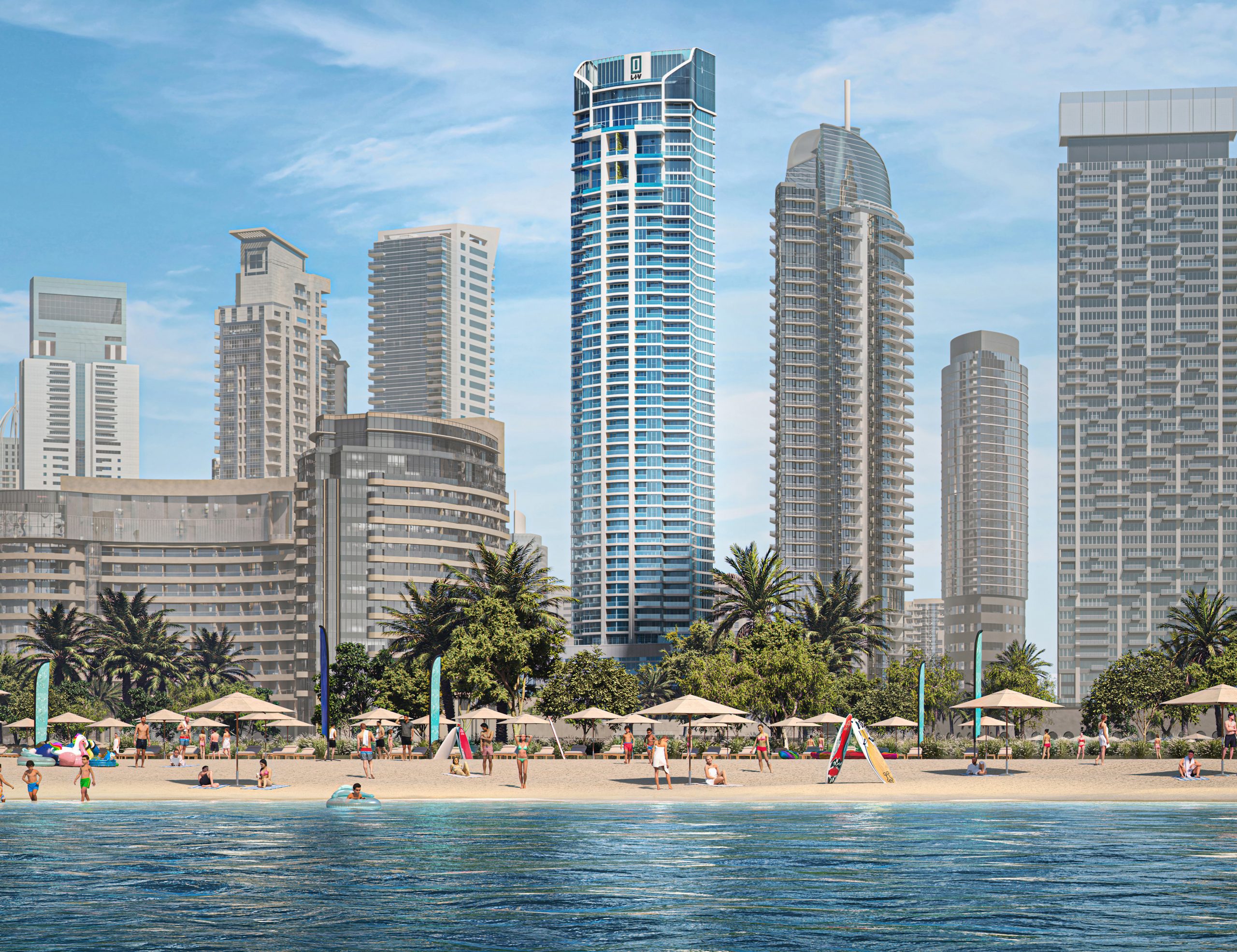
When purchasing a resale property in Dubai or Ras Al Khaimah, buyers must be aware of the legal framework and procedures that govern property transactions. The process is designed to ensure transparency and protect the interests of both buyers and sellers. In Dubai, off-plan properties accounted for 70% of transactions in Q1 2026, with an average price of AED 2,047/sqft, while ready properties averaged AED 1,713/sqft (Dubai Land Department). In Ras Al Khaimah, the transaction volume reached AED 11B in Q1 2026, marking a 240% increase year-on-year (RAK Properties).
| Area / Option | Price/sqft (AED) | Rental Yield | Capital Growth YoY |
|---|---|---|---|
| Hayat Island RAK | 800–1,100 | 6–8% | +18% (2025–2026) |
| Palm Jumeirah | 2,500–4,500 | 4–6% | +12% (2025–2026) |
| Dubai Marina | 1,200–2,200 | 5–7% | +15% (2025–2026) |
| JVC | 700–1,200 | 6–8% | +10% (2025–2026) |
Source: Dubai Land Department, RAK Properties, ValuStrat Q1 2026
Deeper Analysis / Mechanics
The process begins with due diligence, where buyers verify the property's legal status, including any encumbrances or restrictions. This is crucial, as it protects the buyer from potential legal complications post-purchase. Following this, a property valuation is conducted to ascertain the fair market value, which is essential for determining the purchase price and calculating fees.
Once the valuation is complete, the buyer and seller agree on a price and enter into a Memorandum of Understanding (MoU). The buyer then deposits 2% to 5% of the purchase price into an escrow account, as mandated by RERA to safeguard the transaction (RERA). This step is critical in ensuring that funds are secure and accessible only upon successful completion of the transfer process.
Specific Locations / Examples with Numbers
Consider Hayat Island in Ras Al Khaimah, where properties are priced between AED 800 to AED 1,100 per square foot, with rental yields ranging from 6% to 8% and capital growth of +18% from 2025 to 2026 (RAK Properties, ValuStrat). These figures illustrate the potential returns and investment value of a resale property in this area. Similarly, in Dubai, Palm Jumeirah offers a different investment profile, with prices ranging from AED 2,500 to AED 4,500 per square foot and a more modest rental yield of 4% to 6%, but with a capital growth of +12% over the same period (Dubai Land Department, ValuStrat).
Risk Factors / What Buyers Miss / Bear Case
While the market presents attractive opportunities, buyers must be aware of potential risks. One common oversight is the failure to account for additional costs such as transfer fees, which can range from 4% to 5% of the property value. Moreover, the lack of understanding of rent increase limits and tenant rights can lead to unexpected financial burdens (RERA). In the bear case, a downturn in the market, as indicated by a -10% residential capital value change in 2026 according to ValuStrat, could affect the resale value of properties.
What to do Next / Practical Steps
For buyers looking to proceed with a resale property purchase, it is recommended to engage with a reputable brokerage with direct allocation on sought-after developments. Sofia Sands Realty (RERA 41793) holds direct allocation on Bay Views, Hayat Island, and other prime locations, providing buyers with exclusive access and expert guidance through the entire process.
Frequently Asked Questions
What is the average time frame for title deed transfer in Dubai?
The average time frame for title deed transfer in Dubai is approximately 30 to 45 days, depending on the complexity of the transaction and the efficiency of the involved parties.
How much does it cost to register a property in Ras Al Khaimah?
Registration fees in Ras Al Khaimah typically range from 4% to 5% of the property value, which includes the registration fee, notary fee, and Ejari fee.
What documents are required for property transfer in Dubai?
Key documents required include the property title deed, MoU, passport copies of both parties, and proof of payment for any applicable fees.
Can a foreigner own property in Ras Al Khaimah?
Yes, foreigners can own property in Ras Al Khaimah, with freehold ownership rights granted for specific developments.
What is the process for transferring ownership of a property in Dubai?
The process involves due diligence, property valuation, MoU signing, payment into escrow, and final registration at the Dubai Land Department.
How do I calculate the transfer fee for a property in Ras Al Khaimah?
The transfer fee is calculated as a percentage of the property value, typically ranging from 4% to 5%.
What is the role of RERA in the property transfer process?
RERA ensures that the transaction is conducted within the legal framework, mandating the use of escrow accounts and setting guidelines for rent increases and tenant rights.
Are there any hidden costs when buying a resale property in Dubai?
While most costs are transparent, buyers should be aware of additional fees such as notary fees, Ejari fees, and potential service charges from property management companies.