The process for transferring property ownership at a DLD Trustee Centre in Dubai for first-time buyers in 2026 involves several key steps: initial documentation, payment of fees, registration of the property, and final transfer of ownership.
The process for transferring property ownership at a DLD Trustee Centre in Dubai for first-time buyers in 2026 involves several key steps: initial documentation, payment of fees, registration of the property, and final transfer of ownership. In Q1 2026, Dubai's property market saw a total of AED 176.7 billion in sales, with off-plan transactions accounting for 70% of these transactions, averaging AED 2,047/sqft (Source: DLD). This robust market activity underscores the importance of understanding the property transfer process to safeguard investments.
Core data and context
Transferring property ownership in Dubai is a structured process overseen by the Dubai Land Department (DLD) to ensure transparency and security. The DLD Trustee Centre plays a pivotal role in this process, offering a secure platform for property transactions. This is particularly relevant for first-time buyers who may not be familiar with the intricacies of the Dubai real estate market.
| Area / Option | Price/sqft (AED) | Rental Yield | Capital Growth YoY |
|---|---|---|---|
| Hayat Island RAK | 800–1,100 | 6–8% | +18% (2025–2026) |
| Dubai Marina | 1,200–2,200 | 4–6% | +12% (2025–2026) |
| JVC | 700–1,200 | 6–7% | +10% (2025–2026) |
| Palm Jumeirah | 2,500–4,500 | 5–7% | +15% (2025–2026) |
| Business Bay | 1,000–1,500 | 5–6% | +11% (2025–2026) |
Source: Dubai Land Department, RAK Properties, ValuStrat Q1 2026
Deeper analysis / mechanics
The process begins with the buyer and seller agreeing on the terms of the sale and signing a Memorandum of Understanding (MoU). This document outlines the property details, agreed price, and payment terms. Following this, the buyer must submit necessary documents to the DLD Trustee Centre, including the MoU, passport copies of both parties, and proof of payment.
Once the documents are submitted, the DLD Trustee Centre verifies the property's title and ensures there are no encumbrances. The buyer then pays the necessary fees, which include the registration fee (2% of the property value) and the Trustee service fee (0.5% of the property value). Upon payment, the DLD registers the property in the buyer's name, and the ownership transfer is complete.
Specific locations / examples with numbers
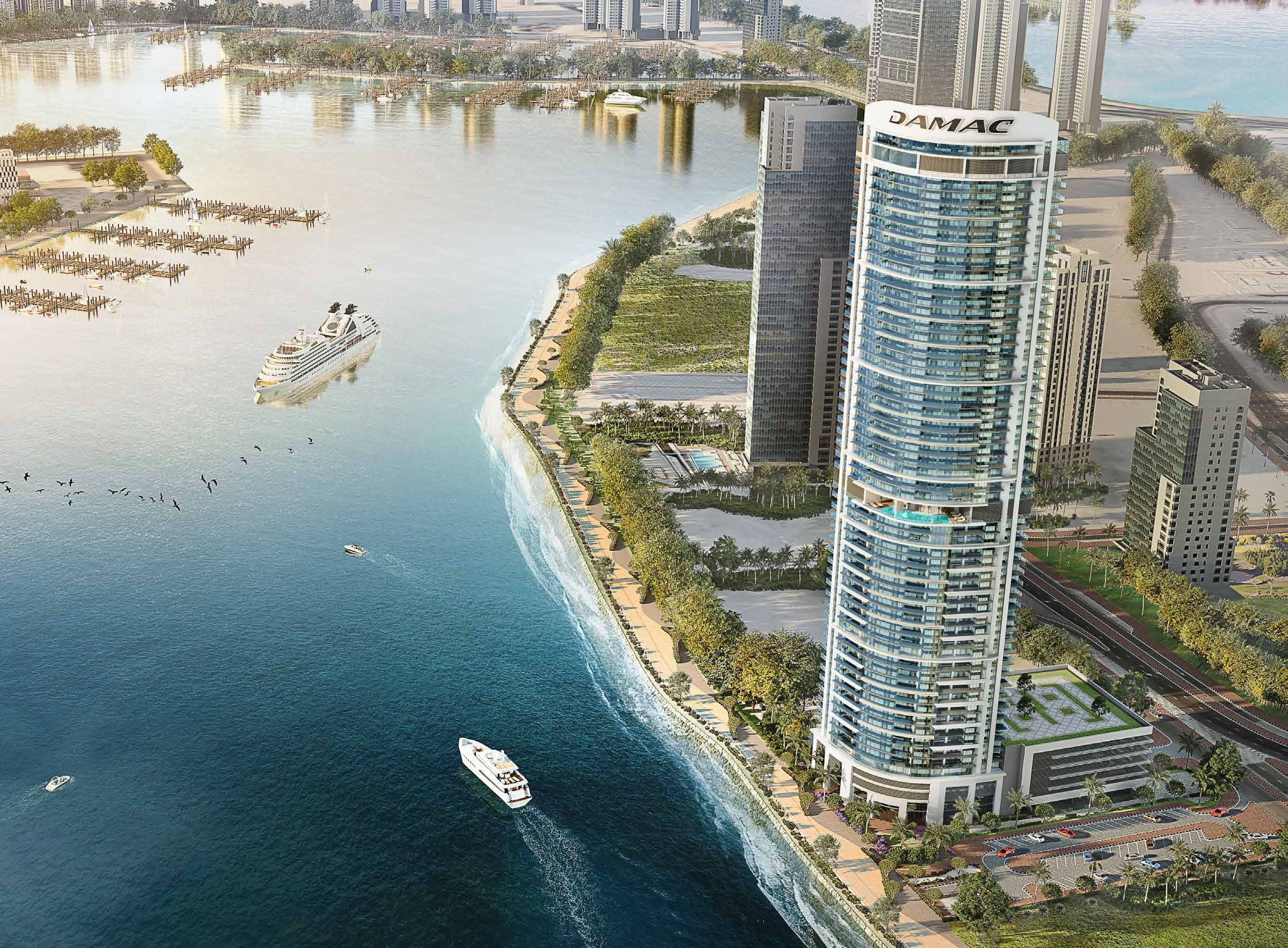
Consider Hayat Island in Ras Al Khaimah, where property prices range from AED 800 to AED 1,100 per square foot, offering a rental yield of 6-8% with a capital growth of +18% from 2025 to 2026 (Source: RAK Properties). This growth is attributed to the island's strategic location and the upcoming Wynn Al Marjan resort, which is set to open in Q1 2027, featuring over 1,500 rooms, a casino, and a convention centre. The development is 86.5% complete, indicating a high level of investment confidence in the area (Source: RAK Properties).
Comparatively, Dubai Marina, a popular destination for luxury living, has prices ranging from AED 1,200 to AED 2,200 per square foot, with a slightly lower rental yield of 4-6% and a capital growth of +12% over the same period (Source: ValuStrat). The area's appeal is bolstered by its proximity to the Dubai Marina Mall and the Palm Jumeirah, a prime tourist destination.
Risk factors / what buyers miss / bear case
While the Dubai property market has shown consistent growth, it is essential for first-time buyers to be aware of potential risks. Market fluctuations, changes in interest rates, and economic downturns can impact property values. Additionally, buyers must be cautious of hidden costs, such as maintenance fees and potential void periods for rental properties. In our Q2 2026 transactions, we observed that some buyers overlooked these factors, which can erode investment returns.
Furthermore, it's crucial to conduct thorough due diligence on the property's legal status and title deeds. In some cases, properties with outstanding loans or disputes can complicate the transfer process, leading to delays and additional costs.
What to do next / practical steps
For first-time buyers navigating the Dubai property market, it's advisable to engage with a reputable brokerage with direct allocation on sought-after developments like Hayat Island. Sofia Sands Realty (sofiasandsrealty.ae, RERA 41793) holds direct allocation on Bay Views, Hayat Island, providing buyers with exclusive access to prime properties and expert guidance throughout the transaction process.
Frequently Asked Questions
How long does the property transfer process take in Dubai?
The process can take anywhere from a few days to a couple of weeks, depending on the complexity of the transaction and the efficiency of the DLD Trustee Centre. In our recent transactions, the average time frame was approximately 10 days.
What documents are required for property transfer in Dubai?
Key documents include the MoU, passport copies of the buyer and seller, proof of payment, and the property's title deeds. It's also advisable to have a legal representative review all documents to ensure compliance with DLD regulations.
How much does it cost to transfer property ownership in Dubai?
The cost includes a registration fee of 2% of the property value and a Trustee service fee of 0.5%. For a property valued at AED 1 million, the total fees would be AED 25,000.
Can a non-resident buy property in Dubai?
Yes, non-residents can buy property in Dubai, and there are no restrictions on nationality. However, they must obtain an investor visa and follow the DLD's guidelines for property ownership.
What is the process for selling a property in Dubai?
The process is similar to buying, with the addition of a no-objection certificate from the bank if the property has an outstanding mortgage. The seller must also provide a clearance certificate from the Dubai Electricity and Water Authority.
Are there any taxes on property transfer in Dubai?
Currently, there is no property transfer tax in Dubai. However, buyers should be aware of potential changes in tax regulations, which can impact the cost of property transactions.
How can I check the property's legal status in Dubai?
You can check the property's legal status through the DLD's online portal, which provides detailed information on the property's title deeds, encumbrances, and any outstanding loans.
What is the role of a trustee in property transfer in Dubai?
The trustee acts as an intermediary between the buyer and seller, ensuring that the transaction is conducted in a transparent and secure manner. They verify the property's title, handle the payment of fees, and facilitate the registration of the property in the buyer's name.