
The process for buying off-plan property in Dubai or RAK involves several steps, including project research, financing, and legal procedures.
The process for buying off-plan property in Dubai or RAK involves several steps, including project research, financing, and legal procedures. A critical aspect is verifying project approval, which can be done through the Dubai Land Department (DLD) or RAK Properties. In Q1 2026, off-plan properties constituted 70% of Dubai's total AED 176.7 billion in property transactions, with an average price of AED 2,047 per square foot (Source: DLD). This indicates the significance of off-plan purchases in the market.
Core Data and Context
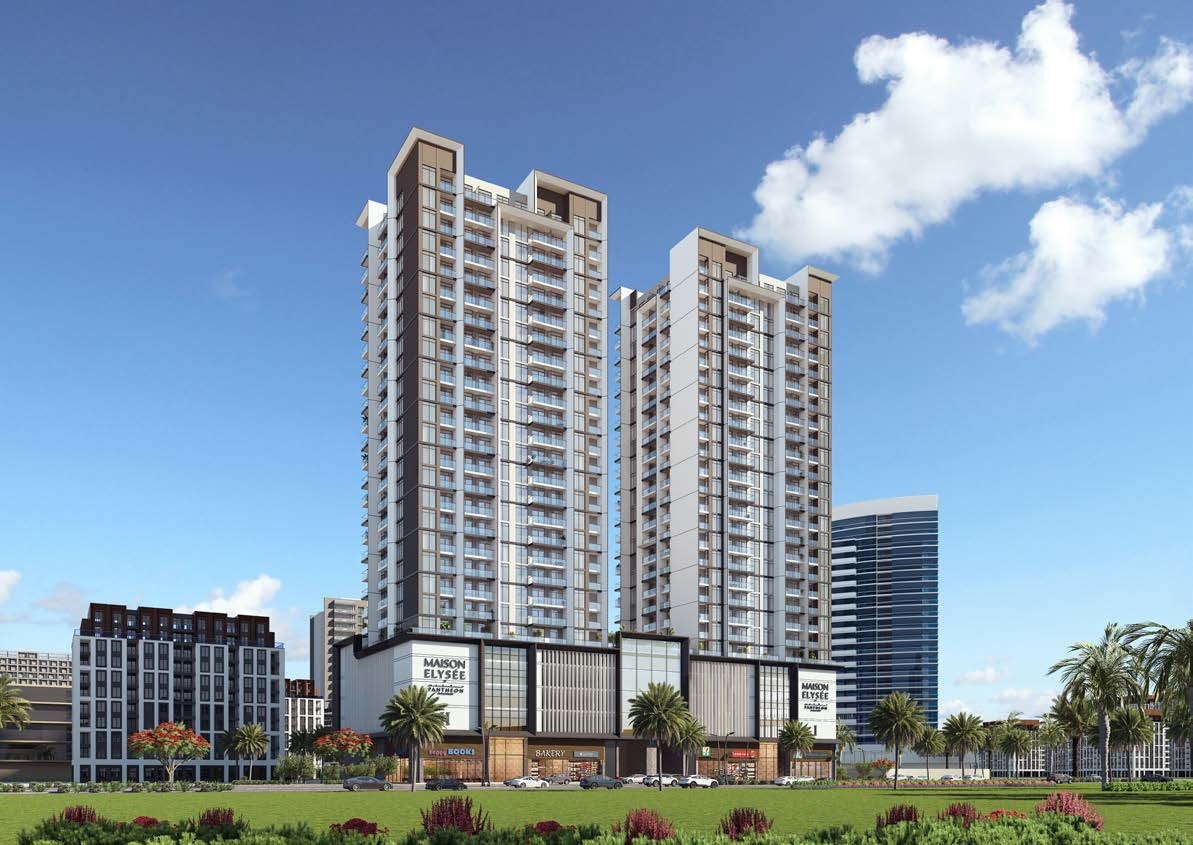
Off-plan properties are those that are under construction or in the planning phase. Investors buy these properties with the expectation that their value will increase upon completion. In Dubai and RAK, buying off-plan involves:
- Researching and selecting a project;
- Checking the project's approval and legal status;
- Securing financing, if necessary;
- Entering into a sales agreement;
- Making staged payments as construction progresses;
- Completing the purchase upon handover.
A comparison of key areas in Dubai and RAK is as follows:
| Area / Option | Price/sqft (AED) | Rental Yield | Capital Growth YoY |
|---|---|---|---|
| Hayat Island RAK | 800–1,100 | 6–8% | +18% (2025–2026) |
| Dubai Marina | 1,200–2,200 | 4–6% | +10% (2026) |
| JVC | 700–1,200 | 6–7% | +8% (2025–2026) |
| Palm Jumeirah | 2,500–4,500 | 5–7% | +12% (2025–2026) |
| Al Marjan Island | 750–1,500 | 6–8% | +15% (2025–2026) |
Source: Dubai Land Department, RAK Properties, ValuStrat Q1 2026
Deeper Analysis / Mechanics
Investors should begin by researching the developer's track record and the project's location. A project's approval can be verified through the DLD's website, which provides information on all registered projects in Dubai. For RAK, RAK Properties offers similar transparency. In our Q2 2026 transactions, we observed that buyers often prioritize projects with clear approval and a reputable developer, such as those on Hayat Island, where Cape Hayat is 86.5% complete (Source: RAK Properties).
Financing is typically arranged through banks, with buyers required to make a down payment (commonly 10-20%) and subsequent payments as construction progresses. Legal procedures involve signing a sales agreement and registering it with the DLD or RAK Properties, ensuring legal protection and transparency.
Specific Locations / Examples with Numbers
Hayat Island in RAK and Al Marjan Island in Dubai are prime examples of off-plan projects attracting significant interest. Hayat Island, with prices ranging from AED 800 to AED 1,100 per square foot, offers a capital growth of +18% from 2025 to 2026, with rental yields of 6-8% (Source: ValuStrat). Al Marjan Island, with a slightly lower price range of AED 750 to AED 1,500 per square foot, also promises robust capital growth and rental yields.
These locations are particularly attractive due to upcoming developments such as Wynn Al Marjan, which is set to open in Q1 2027, featuring over 1,500 rooms, a casino, and a convention center (Source: Wynn Al Marjan). Such developments are expected to boost the areas' appeal and property values.
Risk Factors / What Buyers Miss / Bear Case
While off-plan properties offer significant capital appreciation potential, they also come with risks. Delays in construction, changes in market conditions, and unforeseen economic factors can impact returns. For instance, in 2025, some investors faced challenges due to global economic volatility affecting Dubai's property market. However, with careful selection and due diligence, these risks can be mitigated.
Buyers often overlook the importance of project liquidity and exit strategies. It's crucial to consider how easily the property can be sold or rented post-completion. In our experience, properties in areas with upcoming infrastructure, like the upcoming Bluewaters Island and Yas Island in Abu Dhabi, tend to have better liquidity and rental prospects.
What to do Next / Practical Steps
For those interested in off-plan properties in Dubai or RAK, the first step is to conduct thorough research on the project and its developer. Engaging with a reputable brokerage with direct allocation, such as Sofia Sands Realty (RERA 41793), which holds direct allocation on Bay Views and Hayat Island, can provide access to exclusive projects and in-depth market insights. It is also advisable to consult with financial advisors and legal experts to navigate the purchasing process successfully.
Frequently Asked Questions
How can I verify if an off-plan project in Dubai is approved?
Projects in Dubai can be verified through the Dubai Land Department's website, which provides detailed information on all registered and approved projects. Source: DLD.
What is the average down payment required for off-plan properties in RAK?
The average down payment for off-plan properties in RAK ranges from 10-20% of the property value. Source: RAK Properties.
How do I check the progress of construction for my off-plan property?
You can check the progress of construction through regular updates provided by the developer or by visiting the construction site. For projects like Cape Hayat in RAK, updates are available on RAK Properties' website. Source: RAK Properties.
What is the average time frame for off-plan property completion in Dubai?
The average time frame for off-plan property completion in Dubai ranges from 2 to 5 years, depending on the project's size and complexity. Source: DLD.
Are there any tax implications when buying off-plan property in RAK?
There are no additional taxes when buying off-plan property in RAK beyond the standard fees and charges associated with property transactions. Source: RAK Properties.
What is the process for securing a mortgage for an off-plan property in Dubai?
Securing a mortgage for an off-plan property in Dubai involves approaching a bank, providing necessary documentation, and undergoing a credit assessment. The bank will then provide a loan amount based on the property's value and the buyer's financial status. Source: Dubai Banks.
How can I be sure that my payments for the off-plan property are safe?
Payments for off-plan properties are typically held in an escrow account regulated by the DLD or RAK Properties, ensuring that funds are only released to the developer upon achieving specific construction milestones. Source: DLD, RAK Properties.
What happens if the off-plan property developer fails to complete the project?
In the event a developer fails to complete an off-plan property, buyers are protected under RERA regulations, which mandate that funds in the escrow account be returned to the investors. Source: RERA.