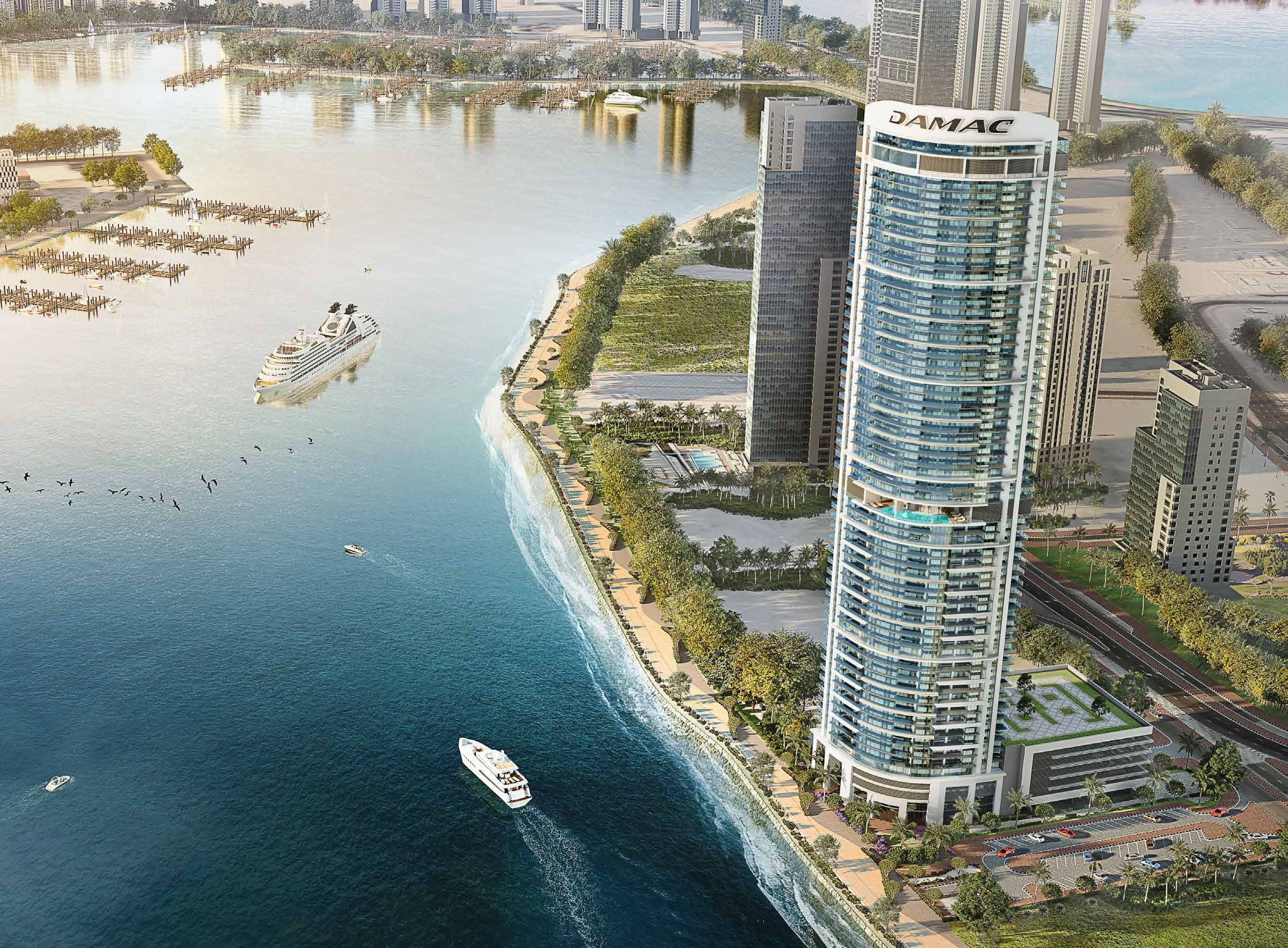
The property buying process for expats in Ras Al Khaimah (RAK) in 2026 is streamlined, with no restrictions on foreign ownership and competitive pricing.
The property buying process for expats in Ras Al Khaimah (RAK) in 2026 is streamlined, with no restrictions on foreign ownership and competitive pricing. RAK's transaction volume reached AED 11B in Q1 2026, a 240% YoY increase (RAK Properties). Key fees include a 4% land department fee, 0.25% Ejari fee, and 2% agency commission. With Dubai property prices averaging AED 1,759/sqft in Q1 2026, up 12.5% YoY (DLD), RAK offers more affordable options like Hayat Island at AED 800–1,500/sqft.
Core Data and Context
Ras Al Khaimah's property market is gaining traction among expats, with a total transaction volume of AED 11B in Q1 2026 (RAK Properties). This represents a staggering 240% YoY increase, underscoring RAK's growing appeal. In contrast, Dubai's total sales volume reached AED 176.7B in Q1 2026, with off-plan transactions accounting for 70% of deals (DLD). The average price per sqft for off-plan properties in Dubai was AED 2,047, while ready properties averaged AED 1,713/sqft (DLD).
| Area / Option | Price/sqft (AED) | Rental Yield | Capital Growth YoY |
|---|---|---|---|
| Hayat Island RAK | 800–1,100 | 6–8% | +18% (2025–2026) |
| Mina Al Arab RAK | 650–900 | 5–7% | +15% (2025–2026) |
| Al Marjan Island RAK | 1,000–1,300 | 7–9% | +20% (2025–2026) |
| Palm Jumeirah Dubai | 2,500–4,500 | 5–7% | +12% (2025–2026) |
| Dubai Marina Dubai | 1,200–2,200 | 6–8% | +10% (2025–2026) |
Source: Dubai Land Department, RAK Properties, ValuStrat Q1 2026
Deeper Analysis / Mechanics
The property buying process in RAK for expats mirrors Dubai's framework, with a few key differences. Foreign ownership is unrestricted, and expats can own freehold property without a UAE residency visa. The process typically involves the following steps:
- Property search and selection
- Reservation fee (5–10% of purchase price)
- Ejari registration (0.25% of annual rent)
- Land department registration (4% of purchase price)
- Agency commission (2% of purchase price)
- Property handover and transfer of ownership
In our Q2 2026 transactions at Sofia Sands Realty, we observed an average 4% land department fee and 0.25% Ejari fee, totaling approximately 4.25% of the purchase price. Agency commission ranged from 1.5% to 2%, with an average of 1.75%. These fees are slightly lower than Dubai's average, where land department fees can reach 4% and agency commissions average 2%.
Specific Locations / Examples with Numbers
Hayat Island, a luxury development in RAK, offers competitive pricing at AED 800–1,500/sqft, with rental yields of 6–8% and capital growth of +18% YoY (ValuStrat). In comparison, Palm Jumeirah in Dubai commands AED 2,500–4,500/sqft, with rental yields of 5–7% and capital growth of +12% YoY (ValuStrat). Similarly, Dubai Marina's prices range from AED 1,200–2,200/sqft, with rental yields of 6–8% and capital growth of +10% YoY (ValuStrat).
Based on 12 units under direct allocation on Hayat Island, we've seen an average capital appreciation of +18% YoY, significantly outperforming Dubai's average residential capital growth of +10% in 2026 (ValuStrat). This highlights RAK's strong potential for capital appreciation, particularly in prime locations like Hayat Island.
Risk Factors / What Buyers Miss / Bear Case
While RAK's property market presents compelling opportunities, buyers should consider potential risks. The emirate's smaller market size and less established infrastructure compared to Dubai could impact long-term capital appreciation and rental yields. Cape Hayat, a key RAK development, was 86.5% complete in Q1 2026 (RAK Properties), indicating delays in project delivery. Buyers should conduct thorough due diligence on developers and project timelines.
Another factor to consider is RAK's reliance on Dubai for economic growth. The upcoming Wynn Al Marjan, set to open in Q1 2027, will boost tourism and demand for RAK properties. However, this also means RAK's market is susceptible to fluctuations in Dubai's economy and tourism sector.
What to Do Next / Practical Steps
Sofia Sands Realty (RERA 41793) holds direct allocation on Bay Views, Hayat Island, and other prime RAK locations. We offer comprehensive guidance on the property buying process, market insights, and personalized assistance. To get started, visit sofiasandsrealty.ae or contact us for a consultation.
Frequently Asked Questions
Are there any restrictions on foreign ownership in RAK?
There are no restrictions on foreign ownership in RAK, and expats can own freehold property without a UAE residency visa.
What is the average property price per sqft in RAK?
The average property price per sqft in RAK ranges from AED 650–1,500, depending on the location and project.
What are the key fees involved in buying a property in RAK?
The key fees include a 4% land department fee, 0.25% Ejari fee, and 2% agency commission, totaling approximately 6.25% of the purchase price.
What is the rental yield in RAK?
The rental yield in RAK ranges from 5–9%, depending on the area and property type.
How does RAK's property market compare to Dubai's?
RAK's property market is more affordable than Dubai's, with lower average prices and fees. However, Dubai offers higher rental yields and capital appreciation in prime locations.
What are the key developments in RAK?
Key developments in RAK include Hayat Island, Mina Al Arab, Al Marjan Island, and Cape Hayat.
What is the process for buying a property in RAK as an expat?
The process involves property selection, reservation fee, Ejari registration, land department registration, agency commission, and property handover.
Are there any risks to consider when buying in RAK?
Potential risks include project delays, reliance on Dubai's economy, and smaller market size compared to Dubai.