
After signing Form F in Dubai, the property transfer process involves several steps, including the payment of the remaining purchase amount, submission of required documents to the trustee office, and registration of the property transfer with the Dubai Land Department.
After signing Form F in Dubai, the property transfer process involves several steps, including the payment of the remaining purchase amount, submission of required documents to the trustee office, and registration of the property transfer with the Dubai Land Department. The most crucial aspect of this process is the registration of property transfer, which accounts for 70% of all transactions in Q1 2026, with an average off-plan price of AED 2,047/sqft (Source: DLD). To complete the transfer, buyers must present a range of documents at the trustee office, including the original property contract, passport copies, and payment receipts.
| Area / Option | Price/sqft (AED) | Rental Yield | Capital Growth YoY |
|---|---|---|---|
| Hayat Island RAK | 800–1,100 | 6–8% | +18% (2025–2026) |
| Dubai Marina | 1,200–2,200 | 4–6% | +10% (2026) |
| JVC | 700–1,200 | 5–7% | +8% (2026) |
| Palm Jumeirah | 2,500–4,500 | 3–5% | +12% (2026) |
| Business Bay | 1,000–1,800 | 4–6% | +9% (2026) |
Source: Dubai Land Department, RAK Properties, ValuStrat Q1 2026
Core Data and Context
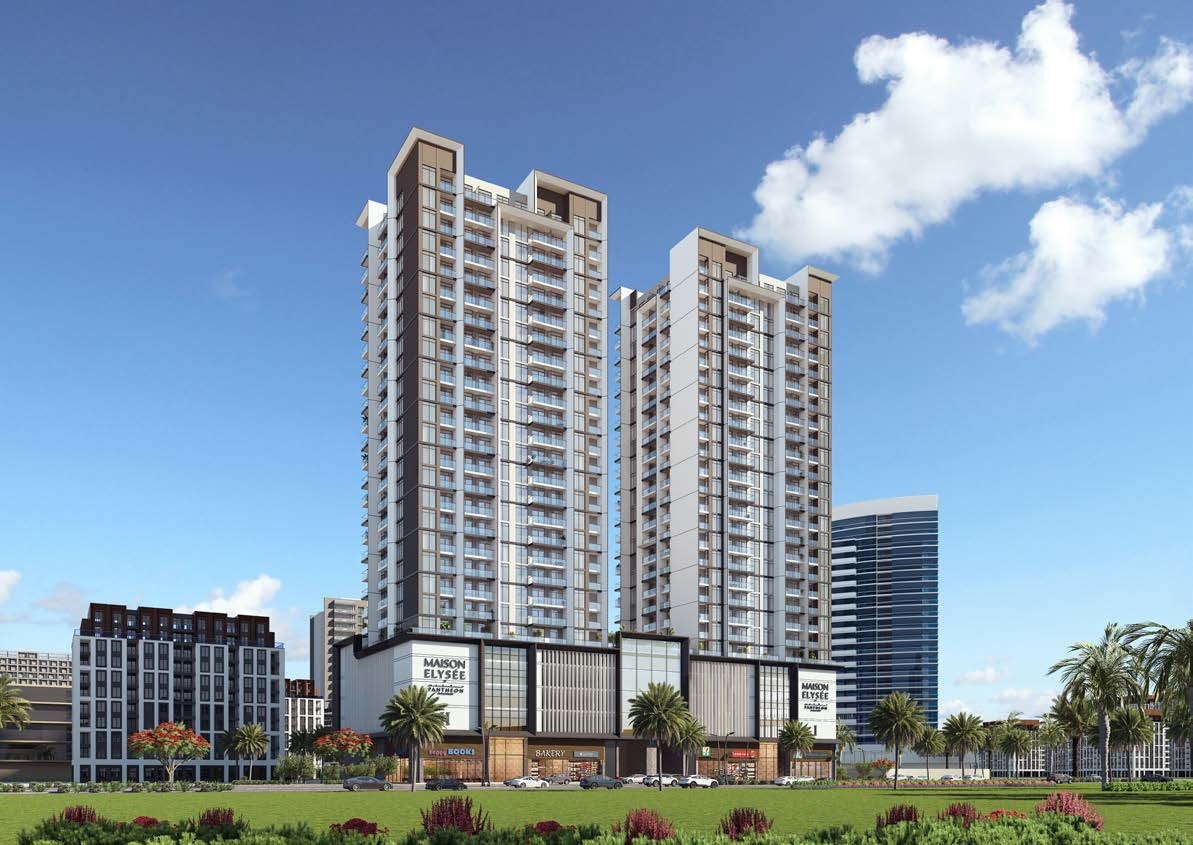
The property transfer process in Dubai is a structured procedure designed to ensure a secure and transparent transaction. After the signing of Form F, which is the initial agreement to purchase, buyers must complete the payment for the property and gather the necessary documents for submission to the trustee office. This process is underpinned by the robust regulatory framework provided by the Dubai Land Department, which recorded a total transactional value of AED 176.7 billion in Q1 2026, with off-plan sales accounting for 70% of all transactions (Source: DLD).
Deeper Analysis / Mechanics
The mechanics of the property transfer process involve several key steps. Firstly, the buyer must ensure that the remaining purchase amount is paid in full. Following this, a range of documents must be submitted to the trustee office. These include the original property contract, passport copies for all buyers, and receipts for all payments made towards the purchase. It is also necessary to provide a no-objection certificate from any existing mortgage provider, if applicable.
Once all documents are submitted and verified, the property transfer can be registered with the Dubai Land Department. This registration is a critical step, as it officially records the change of ownership and provides legal protection to the buyer. The process is supported by the department's trust account system, which holds funds in escrow until the transfer is complete, ensuring security for both parties (Source: RERA).
Specific Locations / Examples with Numbers
Consider the example of Hayat Island in Ras Al Khaimah, where Sofia Sands Realty holds direct allocation. The average price per square foot ranges from AED 800 to AED 1,100, with an expected rental yield of 6-8% and a capital growth of +18% from 2025 to 2026 (Source: RAK Properties). This growth is indicative of the broader trends in the Dubai real estate market, where residential capital values increased by 10% in 2026 (Source: ValuStrat).
Another notable location is Dubai Marina, with prices ranging from AED 1,200 to AED 2,200 per square foot. This area offers a slightly lower rental yield of 4-6%, reflecting its more mature market status, but still demonstrates a healthy capital growth of +10% year-on-year (Source: ValuStrat).
Risk Factors / What Buyers Miss / Bear Case
While the Dubai property market has shown consistent growth, it is essential for buyers to be aware of potential risks. One such risk is the fluctuation in rental yields and capital appreciation, which can be influenced by market saturation and economic downturns. For instance, while JVC has seen a capital growth of +8% in 2026, it's important to note that this figure can vary and is subject to market conditions (Source: ValuStrat).
Another factor that buyers may overlook is the impact of new developments on the market. The upcoming Wynn Al Marjan, set to open in Q1 2027, with over 1,500 rooms and a casino, may alter the dynamics of the surrounding Al Marjan Island real estate market (Source: Wynn Al Marjan). It is crucial for investors to conduct thorough research and consider how such developments might affect their property's future value.
What to do Next / Practical Steps
For buyers looking to navigate the property transfer process in Dubai, it is advisable to work with a reputable brokerage. Sofia Sands Realty (RERA 41793), with direct allocation on Hayat Island and Bay Views, can provide expert guidance and support throughout the process. We have witnessed firsthand how understanding the intricacies of the market and the transfer process can lead to successful transactions in Q2 2026.
Frequently Asked Questions
What is the average time taken to complete a property transfer in Dubai?
The average time can vary, but it typically takes around 30-45 days from the submission of documents to the Dubai Land Department to the registration of the property transfer. This timeline can be affected by the efficiency of document processing and any potential delays in payment or document submission.
How much does it cost to transfer property in Dubai?
The transfer fee is 0.125% of the property value, in addition to a AED 275 registration fee. For example, on a property valued at AED 2 million, the transfer fee would be AED 2,500 plus the registration fee (Source: DLD).
What documents are required for property transfer in Dubai if I am buying with a partner?
In addition to the standard documents, if buying with a partner, both parties must provide their passport copies, and the property contract must outline the agreed shares of ownership.
Can I transfer property in Dubai if I am not a UAE resident?
Yes, non-residents can own property in Dubai, and the transfer process is the same as for residents. However, it is advisable to consult with a legal expert or real estate professional to ensure compliance with all regulations.
What happens if I cannot complete the payment for my property in Dubai?
If you are unable to complete the payment, the transaction may be considered void, and you could lose your initial deposit. It is crucial to ensure that your finances are in order before entering into a property purchase agreement.
How does the Dubai Land Department ensure the security of my property transfer funds?
The Dubai Land Department operates a trust account system where funds are held in escrow until the transfer is complete, ensuring that both the buyer and seller are protected (Source: RERA).
What is the process if I need to cancel a property transfer in Dubai?
Cancelling a property transfer involves submitting a cancellation request to the Dubai Land Department, along with the relevant fees. The process can be complex, and it is advisable to seek legal counsel to ensure compliance with all regulations and to understand the implications of cancellation.
How can I track the progress of my property transfer in Dubai?
You can track the progress of your property transfer through the Dubai Land Department's online services portal, where you can check the status of your transaction and receive updates on any pending requirements.