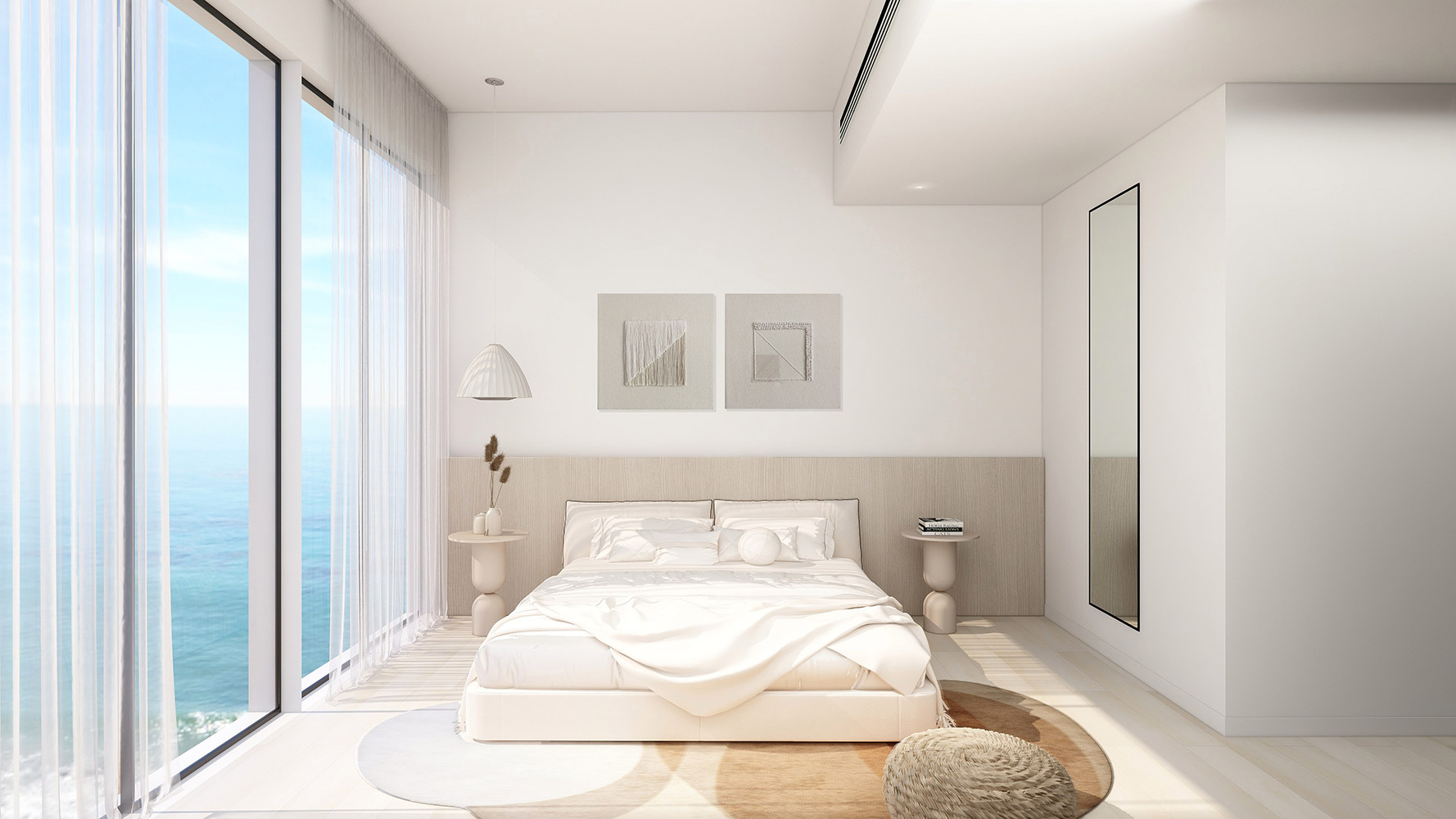
In 2026, the process to buy an off-plan property in Dubai involves a series of structured steps, including payment plans and escrow accounts.
In 2026, the process to buy an off-plan property in Dubai involves a series of structured steps, including payment plans and escrow accounts. Dubai's off-plan market accounted for 70% of total transactions in Q1 2026, with an average price of AED 2,047 per square foot, a 12.5% increase year-on-year (Source: DLD). This robust market is supported by stringent regulations, including RERA's escrow account rules, ensuring secure transactions. The process begins with selecting a property, followed by a reservation fee, payment plan installments, and final registration in the DLD.
Core data and context
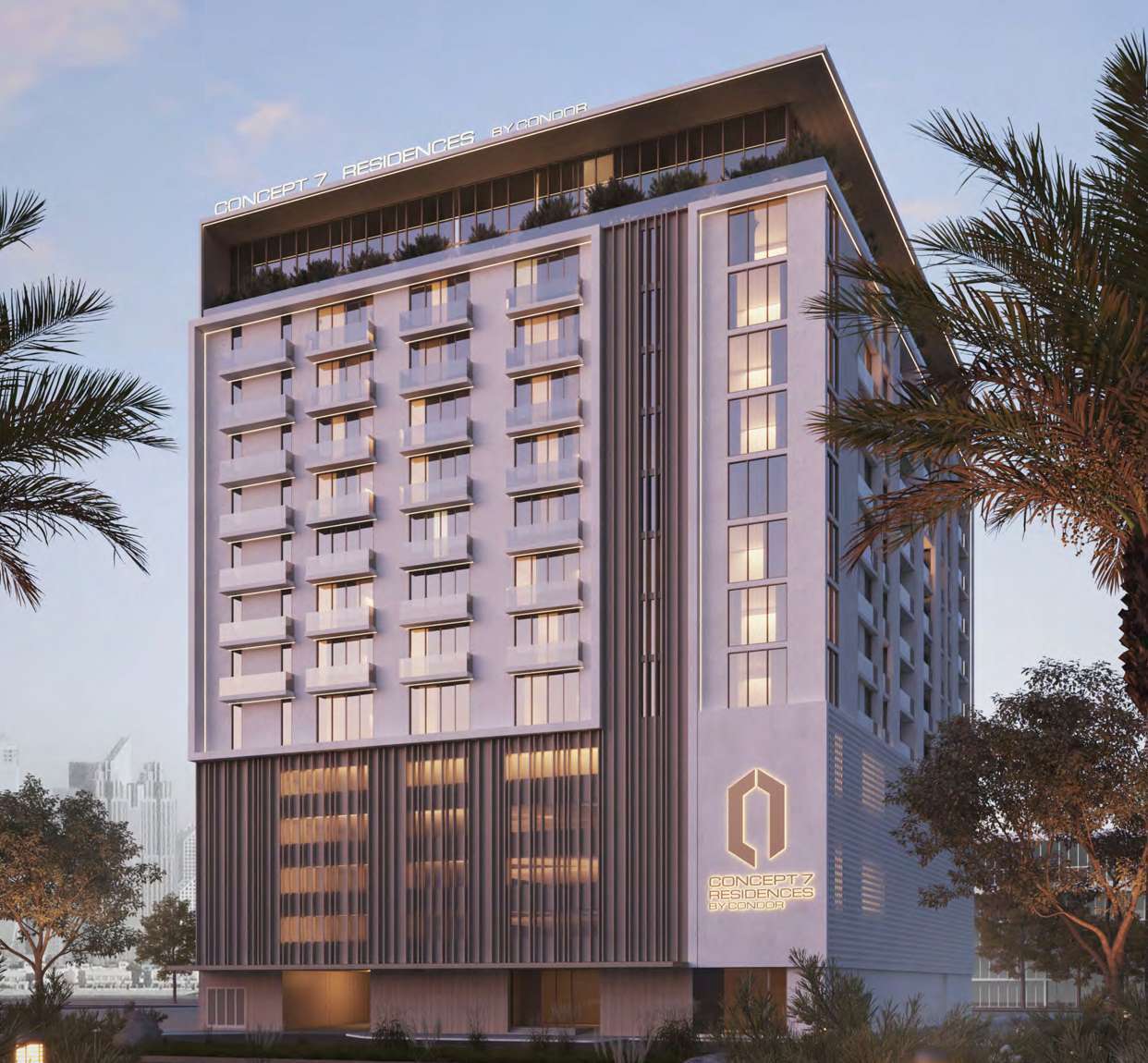
Dubai's real estate market has been bolstered by a series of infrastructure projects and global events, such as the upcoming Wynn Al Marjan opening in Q1 2027, which is set to include over 1,500 rooms, a casino, and a convention center (Source: Wynn Al Marjan). This development, along with others, is driving demand for off-plan properties. The RAK Properties reported a transaction volume of AED 11 billion in Q1 2026, marking a 240% increase year-on-year (Source: RAK Properties). This growth is indicative of the broader market's health and the appeal of off-plan investments.
| Area / Option | Price/sqft (AED) | Rental Yield | Capital Growth YoY |
|---|---|---|---|
| Hayat Island RAK | 800–1,100 | 6–8% | +18% (2025–2026) |
| Dubai Marina | 1,200–2,200 | 4–6% | +12% (2025–2026) |
| JVC | 700–1,200 | 6–7% | +10% (2025–2026) |
| Palm Jumeirah | 2,500–4,500 | 5–7% | +15% (2025–2026) |
| Business Bay | 900–1,500 | 5–6% | +11% (2025–2026) |
Source: Dubai Land Department, RAK Properties, ValuStrat Q1 2026
Deeper analysis / mechanics
The mechanics of buying an off-plan property in Dubai involve several key steps. Initially, a buyer selects a property and pays a reservation fee, typically 5-10% of the property value. This fee secures the unit and is non-refundable if the buyer decides not to proceed. Following this, the buyer enters into a sales agreement and pays the first installment, which is usually 5-20% of the property value. Subsequent payments are made according to a payment plan agreed upon with the developer, which can range from quarterly to annual installments.
These payments are held in an escrow account, a trust account regulated by RERA, ensuring that funds are held securely until the construction milestones are met. This system protects both the buyer and the developer, as funds are only released once the agreed-upon construction stages are completed (Source: RERA). Upon completion of the property, the final registration is done with the DLD, and the property title is transferred to the buyer.
Specific locations / examples with numbers
Investing in off-plan properties in locations such as Hayat Island and Mina Al Arab offers significant potential for capital appreciation and rental yields. For instance, Hayat Island, with prices ranging from AED 800 to 1,100 per square foot, has seen a capital growth of 18% from 2025 to 2026, with rental yields between 6-8% (Source: ValuStrat). Similarly, properties in Dubai Marina, with prices between AED 1,200 and 2,200 per square foot, offer rental yields of 4-6% and have seen a 12% capital growth over the same period (Source: ValuStrat).
Investors should consider the specific development progress and infrastructure plans when choosing an off-plan property. For example, Al Marjan Island, with the upcoming opening of Wynn Al Marjan, is expected to boost the area's appeal and potentially increase property values. Cape Hayat, part of RAK Properties, is 86.5% complete and has seen significant transaction volumes, indicating a high level of investor interest (Source: RAK Properties).
Risk factors / what buyers miss / bear case
While the off-plan market in Dubai presents attractive opportunities, buyers should be aware of potential risks. Delays in project completion, changes in market conditions, and economic downturns can affect property values and rental yields. It's crucial for buyers to conduct thorough due diligence, including assessing the developer's track record, the project's location, and the overall market trends. For instance, while Dubai's residential capital values increased by 10% in 2026 (Source: ValuStrat), this growth rate may not be sustainable, and investors should be prepared for potential market fluctuations.
Another factor to consider is the regulatory environment. RERA's rent increase limits and tenant rights can impact the returns on investment for off-plan properties. Understanding these regulations is essential for buyers to make informed decisions and manage their expectations regarding future rental income and property management.
What to do next / practical steps
For those looking to invest in off-plan properties, it's advisable to work with a reputable brokerage with direct allocation on sought-after developments. Sofia Sands Realty (RERA 41793) holds direct allocation on Bay Views, Hayat Island, and other prime locations, providing investors with exclusive access to premium properties. Engaging with a knowledgeable broker can offer insights into market trends, payment plans, and the overall investment process, ensuring a smoother and more informed property purchase.
Frequently Asked Questions
What is the average price per square foot for off-plan properties in Dubai?
The average price for off-plan properties in Dubai was AED 2,047 per square foot in Q1 2026, marking a 12.5% increase year-on-year (Source: DLD).
How does the escrow account work in Dubai's property market?
Escrow accounts in Dubai are trust accounts regulated by RERA, ensuring that buyer payments are securely held until construction milestones are met, protecting both parties (Source: RERA).
What is the typical payment plan structure for off-plan properties?
Payment plans for off-plan properties typically range from 5-20% down payment followed by installments based on construction progress, with the final payment upon completion (Source: RERA).
How can I ensure the developer's reliability when buying an off-plan property?
Assessing a developer's track record, project completion history, and financial stability is crucial. Working with a reputable brokerage can also provide insights into developer reliability (Source: RERA).
What are the rental yield expectations for off-plan properties in RAK?
Off-plan properties in RAK, such as Hayat Island, offer rental yields between 6-8%, with capital growth of 18% from 2025 to 2026 (Source: ValuStrat).
Are there any risks associated with buying off-plan properties in Dubai?
Risks include project delays, market fluctuations, and regulatory changes. Conducting thorough due diligence and understanding the market trends is essential (Source: ValuStrat).
How do I know if an off-plan property is a good investment?
Consider factors such as location, infrastructure plans, developer reputation, and market trends. Engaging with a professional broker can provide valuable insights (Source: RERA).
What is the role of RERA in the Dubai property market?
RERA regulates the real estate market, including escrow accounts, rent increase limits, and tenant rights, ensuring a transparent and secure property buying process (Source: RERA).