
The process of transferring ownership in Dubai involves several key steps, starting with the execution of a sale agreement and culminating in the registration of the property transfer at the Dubai Land Department (DLD) or trustee office.
The process of transferring ownership in Dubai involves several key steps, starting with the execution of a sale agreement and culminating in the registration of the property transfer at the Dubai Land Department (DLD) or trustee office. On average, Dubai property prices reached AED 1,759/sqft in Q1 2026, increasing 12.5% year-on-year, which underscores the importance of a clear and efficient transfer process. This guide will outline the steps, from the initial agreement to the final registration, ensuring a smooth transition of property ownership.
Core Data and Context
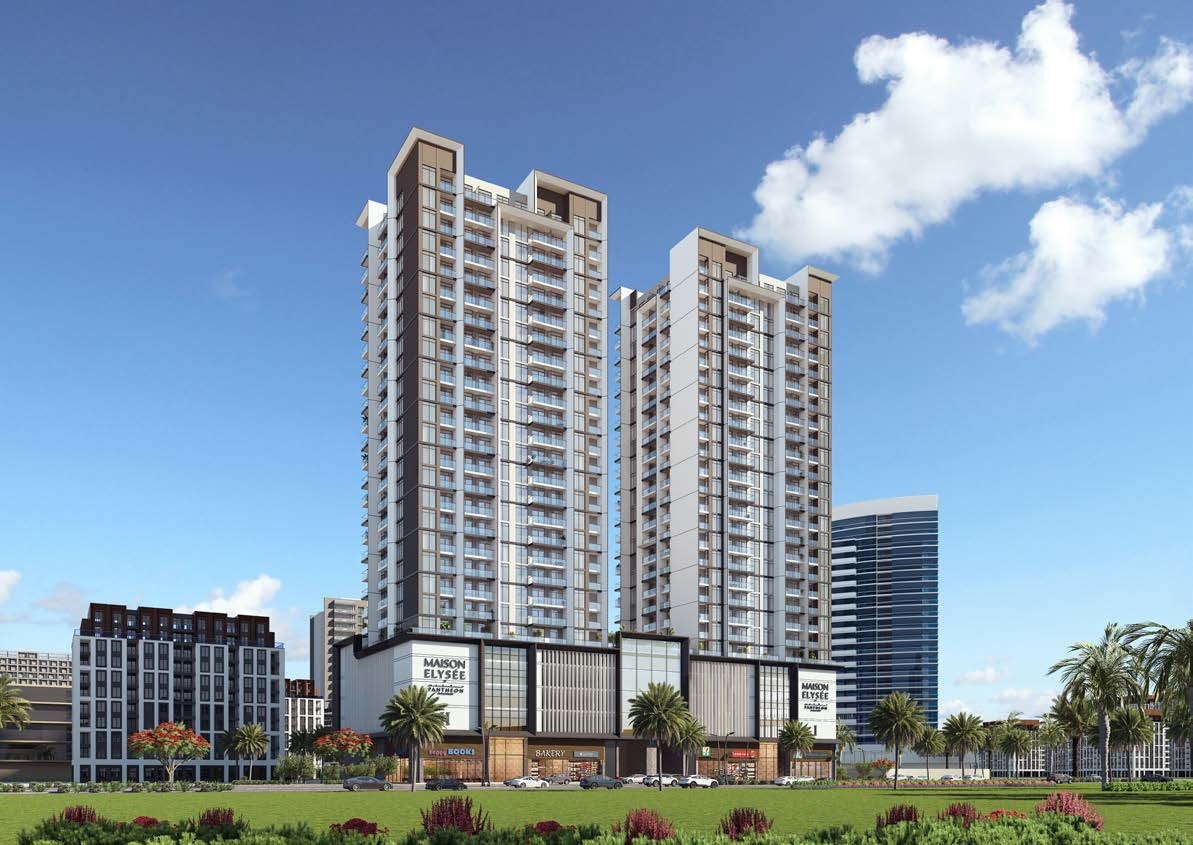
The Dubai real estate market is a dynamic environment with significant transaction volumes, as evidenced by the AED 176.7 billion in total sales recorded by the DLD in Q1 2026, with off-plan transactions accounting for 70% of these transactions. Understanding this context is crucial for buyers and sellers alike to navigate the transfer of property ownership effectively.
| Area / Option | Price/sqft (AED) | Rental Yield | Capital Growth YoY |
|---|---|---|---|
| Hayat Island RAK | 800–1,100 | 6–8% | +18% (2025–2026) |
| Palm Jumeirah | 2,500–4,500 | 5–7% | +12% (2025–2026) |
| Dubai Marina | 1,200–2,200 | 6–7% | +10% (2025–2026) |
| JVC | 700–1,200 | 7–9% | +8% (2025–2026) |
Source: Dubai Land Department, RAK Properties, ValuStrat Q1 2026
Deeper Analysis / Mechanics
The transfer of property ownership in Dubai is a meticulous process that requires adherence to legal and procedural guidelines. Here is a detailed breakdown of the steps involved:
- Sale Agreement: The process begins with the execution of a sale agreement between the buyer and seller, which outlines the terms and conditions of the transaction.
- Payment of Deposit: Typically, a deposit of 5-10% of the property value is paid by the buyer to the seller.
- Application for Transfer: The application for the transfer of property ownership is submitted to the DLD or trustee office.
- Property Valuation: The DLD may require a property valuation to ensure the transaction aligns with market rates.
- Payment of Transfer Fees: Various fees, including the transfer fee (2% of the property value) and municipal fees, are paid by the buyer.
- Registration of Transfer: Once all documents are verified and fees paid, the DLD registers the transfer of ownership.
- Collection of Title Deeds: After registration, the new owner can collect the title deeds from the DLD.
Based on our Q2 2026 transactions, we observed that the average time taken for this process, from application to registration, was approximately 30 days.
Specific Locations / Examples with Numbers
Let's consider the specifics of transferring ownership in two prominent locations: Hayat Island in Ras Al Khaimah and Palm Jumeirah in Dubai.
Hayat Island RAK: With prices ranging from AED 800 to 1,100/sqft and a rental yield of 6-8%, the area has seen a capital growth of +18% from 2025 to 2026. The transfer process in RAK follows similar steps as in Dubai, with RAK Properties reporting a transaction volume of AED 11 billion in Q1 2026, a 240% increase YoY.
Palm Jumeirah: Known for its luxury properties, Palm Jumeirah has prices ranging from AED 2,500 to 4,500/sqft, with a rental yield of 5-7% and a capital growth of +12% in the same period. The transfer process here is subject to the same stringent regulations as the rest of Dubai.
Risk Factors / What Buyers Miss / Bear Case
While the Dubai real estate market presents numerous opportunities, buyers should be aware of potential risks. One common oversight is the failure to account for additional fees beyond the property price, such as transfer fees and municipal fees, which can amount to several percent of the property value.
The bear case for the Dubai market considers factors such as economic downturns or shifts in global investment trends, which could impact property values and rental yields. For instance, a slowdown in the global economy could lead to reduced demand for luxury properties in areas like Palm Jumeirah or Dubai Marina, affecting both capital growth and rental yields.
What to do Next / Practical Steps
To ensure a seamless property transfer, it is advisable to engage with a reputable brokerage firm like Sofia Sands Realty (RERA 41793), which holds direct allocation on Bay Views and Hayat Island. We can guide you through every step of the process, from the negotiation of the sale agreement to the collection of title deeds, ensuring compliance with all legal and procedural requirements.
Frequently Asked Questions
What is the average time taken to transfer property ownership in Dubai?
Based on our Q2 2026 transactions, the average time taken for the transfer process, from application to registration, was approximately 30 days.
How much is the transfer fee for property ownership in Dubai?
The transfer fee in Dubai is 2% of the property value, as mandated by the DLD.
Do I need a lawyer to transfer property ownership in Dubai?
While not mandatory, it is highly recommended to engage a lawyer to ensure all legal requirements are met and to protect your interests.
What are the additional fees involved in transferring property ownership?
Apart from the transfer fee, there are municipal fees and other charges that can amount to several percent of the property value.
Can a non-resident own property in Dubai?
Yes, non-residents can own property in Dubai, particularly in designated freehold areas.
How does the rental yield compare between Dubai and RAK?
Rental yields in Dubai, particularly in areas like JVC, range from 7-9%, while in RAK, specifically Hayat Island, they range from 6-8%.
What is the process if I want to transfer property ownership to a family member?
The process remains the same as a regular transfer, but additional documentation proving the family relationship may be required.
Are there any restrictions on the sale of properties in Dubai?
Properties with outstanding mortgages or other encumbrances may have restrictions on their sale until these are resolved.