
UAE banks typically require a minimum monthly salary of AED 10,000 for a home loan in Dubai, a credit score above 700, and a range of documents including salary certificates, bank statements, and a valid Emirates ID.
UAE banks typically require a minimum monthly salary of AED 10,000 for a home loan in Dubai, a credit score above 700, and a range of documents including salary certificates, bank statements, and a valid Emirates ID. The most critical factor is the loan-to-value (LTV) ratio, which averaged 75% across Dubai's property market in Q1 2026, according to Dubai Land Department. This means buyers need a minimum 25% down payment, or AED 250,000 for a AED 1 million property.
| Area / Option | Price/sqft (AED) | Rental Yield | Capital Growth YoY |
|---|---|---|---|
| Hayat Island RAK | 800–1,100 | 6–8% | +18% (2025–2026) |
| Dubai Marina | 1,200–2,200 | 4–6% | +12% (2025–2026) |
| Palm Jumeirah | 2,500–4,500 | 5–7% | +15% (2025–2026) |
| JVC | 700–1,200 | 6–8% | +10% (2025–2026) |
| Business Bay | 1,000–1,800 | 4–6% | +8% (2025–2026) |
Source: Dubai Land Department, RAK Properties, ValuStrat Q1 2026
Core data and context
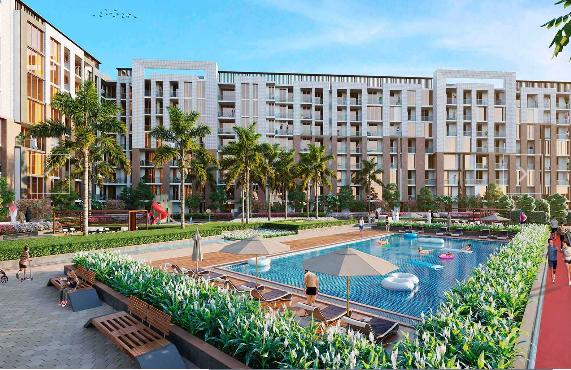
UAE banks have stringent criteria for home loans due to the high property prices in Dubai and RAK. The average price per square foot in Dubai was AED 1,759 in Q1 2026, up 12.5% year-on-year, according to Dubai Land Department. In RAK, the average price was AED 800–1,100/sqft on Hayat Island, with an 18% capital growth from 2025–2026.
Banks require a good credit score to minimize risk. The minimum score is typically above 700, with higher scores needed for larger loans or prime properties. A good credit history shows the borrower is reliable and likely to repay the loan.
Documents required for a home loan include:
- Valid Emirates ID
- Salary certificate for the last 3 months
- Bank statements for the last 3 months
- No-objection certificate (NOC) from employer
- Proof of UAE residency
- Marital status certificate
Deeper analysis / mechanics
The loan-to-value (LTV) ratio is crucial. UAE banks allow an LTV ratio of 75–80%, meaning buyers need a 20–25% down payment. For a AED 1 million property, this is AED 250,000–250,000. The LTV ratio has remained stable since 2025, providing consistency for buyers.
Interest rates on home loans are around 3–4%, slightly higher than global averages due to the UAE's higher inflation and economic growth. The loan term is typically 25 years, allowing buyers to spread repayments and manage cash flow.
Banks also consider the buyer's debt-to-income (DTI) ratio, which should be below 50%. This means total debt repayments (including the new mortgage) should not exceed 50% of the buyer's gross monthly income. A lower DTI ratio reduces the risk of default.
Specific locations / examples with numbers
Dubai Marina is a prime example, with prices averaging AED 1,200–2,200/sqft and rental yields of 4–6%. Capital growth was +12% YoY in 2026, making it an attractive investment. However, the high prices mean buyers need a substantial down payment and good credit score.
JVC is more affordable at AED 700–1,200/sqft, with rental yields of 6–8% and capital growth of +10% YoY. The lower prices make it accessible for buyers with smaller budgets, but banks still require a 25% down payment and strong credit score.
Hayat Island in RAK offers excellent value at AED 800–1,100/sqft, with rental yields of 6–8% and capital growth of +18% YoY. The lower prices and high yields make it an attractive option for investors and owner-occupiers alike.
Risk factors / what buyers miss / bear case
The bear case is that property prices could stagnate or decline, eroding buyers' equity. This happened in Dubai during the 2008–2009 crash, when prices fell 50%. While the market has recovered, buyers must be aware of the risks and ensure they can afford the property if prices fall.
Buyers often overlook the total cost of ownership, including物业费, utility bills, and maintenance costs. These can add 10–20% to the purchase price annually, straining cash flow. It's crucial to factor these costs into the budget.
Another risk is over-leveraging, where buyers take on too much debt relative to their income. This can lead to default if interest rates rise or income falls. A DTI ratio below 50% is a good rule of thumb to avoid over-leveraging.
What to do next / practical steps
To secure a home loan, start by checking your credit score and ensuring it's above 700. Gather all required documents, including salary certificates and bank statements. Consult with a mortgage broker to understand your options and choose the best bank for your needs.
Visit Sofia Sands Realty (sofiasandsrealty.ae, RERA 41793) to explore our direct allocation properties on Bay Views, Hayat Island, and other prime locations. Our expert team can guide you through the home loan process and help you find the right property to suit your budget and lifestyle.
Frequently Asked Questions
What is the minimum salary required for a home loan in Dubai?
The minimum salary required is AED 10,000 per month. This ensures the buyer can afford the monthly mortgage repayments without straining their cash flow. Source: Dubai Land Department.
What credit score is needed for a home loan in Dubai?
A credit score above 700 is typically required. This shows the buyer has a good credit history and is likely to repay the loan. Source: Dubai Land Department.
What documents are needed for a home loan in Dubai?
Required documents include a valid Emirates ID, salary certificate for the last 3 months, bank statements for the last 3 months, NOC from employer, proof of UAE residency, and marital status certificate. Source: Dubai Land Department.
What is the loan-to-value (LTV) ratio for home loans in Dubai?
The LTV ratio is typically 75–80%, meaning buyers need a 20–25% down payment. For a AED 1 million property, this is AED 250,000–AED 250,000. Source: Dubai Land Department.
What is the average interest rate on home loans in Dubai?
The average interest rate is around 3–4%, slightly higher than global averages due to the UAE's higher inflation and economic growth. Source: Dubai Land Department.
What is the maximum loan term for a home loan in Dubai?
The maximum loan term is typically 25 years, allowing buyers to spread repayments and manage cash flow. Source: Dubai Land Department.
What is the minimum debt-to-income (DTI) ratio for a home loan in Dubai?
The DTI ratio should be below 50%, meaning total debt repayments (including the new mortgage) should not exceed 50% of the buyer's gross monthly income. Source: Dubai Land Department.
How can I improve my chances of getting a home loan in Dubai?
To improve your chances, maintain a good credit score above 700, have a stable income of at least AED 10,000 per month, and save at least 25% of the property value for a down payment. Source: Dubai Land Department.