
To qualify for a Dubai home loan in 2026, the minimum salary required varies significantly based on the property's price and the buyer's financial situation.
To qualify for a Dubai home loan in 2026, the minimum salary required varies significantly based on the property's price and the buyer's financial situation. Generally, banks look for a debt-to-income ratio of 50% or less, meaning your total monthly debt payments should not exceed half of your gross monthly income. For instance, if you aim to purchase a property at the average price of AED 1,759/sqft in Dubai's property market, as reported by the Dubai Land Department in Q1 2026, and assuming a 25% down payment, your monthly salary should be at least AED 22,500 to comfortably afford a mortgage payment on the remaining 75% of the property value. This calculation is based on a 4.5% interest rate over a 25-year loan term.
Core data and context
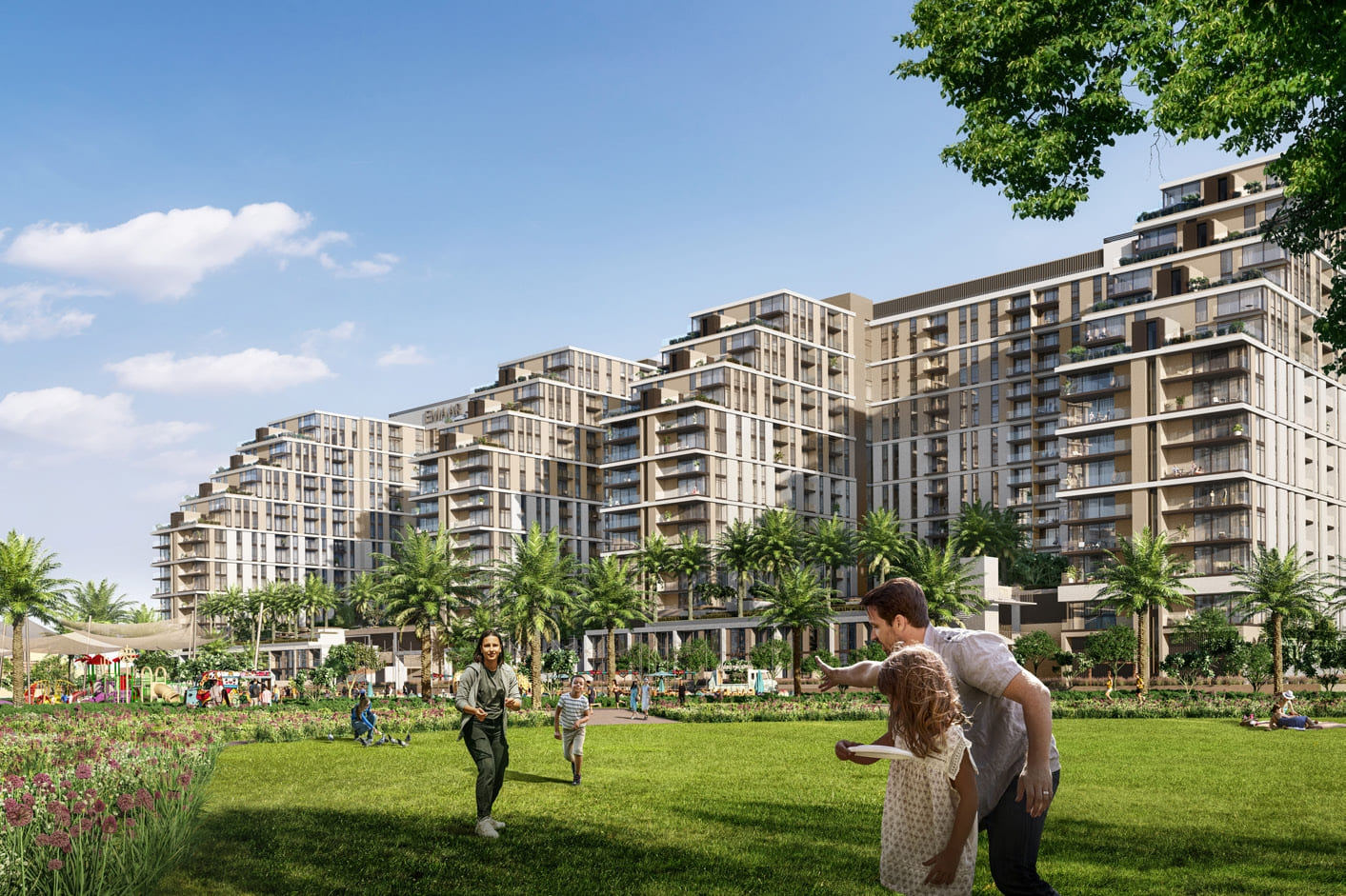
Understanding the salary requirements for a Dubai home loan involves analyzing the current real estate market, bank lending criteria, and the applicant's financial position. As of Q1 2026, Dubai property prices averaged AED 1,759/sqft, up 12.5% year-on-year, with off-plan properties averaging AED 2,047/sqft and ready properties at AED 1,713/sqft (Source: Dubai Land Department).
| Area / Option | Price/sqft (AED) | Rental Yield | Capital Growth YoY |
|---|---|---|---|
| Hayat Island RAK | 800–1,100 | 6–8% | +18% (2025–2026) |
| Palm Jumeirah | 2,500–4,500 | 4–6% | +15% (2025–2026) |
| Dubai Marina | 1,200–2,200 | 5–7% | +12% (2025–2026) |
| JVC | 700–1,200 | 6–8% | +10% (2025–2026) |
| Business Bay | 1,000–1,800 | 5–7% | +11% (2025–2026) |
Source: Dubai Land Department, RAK Properties, ValuStrat Q1 2026
Deeper analysis / mechanics
Banks in Dubai calculate affordability based on several factors, including the applicant's gross monthly income, existing debts, the loan amount, interest rate, and loan term. The debt-to-income ratio is a critical metric, where banks typically do not exceed a 50% threshold. This means that if your gross monthly income is AED 30,000, your total monthly debt payments, including the mortgage, should not surpass AED 15,000.
For example, if you are looking to purchase a property in Hayat Island RAK, priced at AED 1,000/sqft, and the property size is 100 sqft, the total cost would be AED 100,000. Assuming a 25% down payment, you would need AED 25,000 upfront and a mortgage for AED 75,000. At a 4.5% interest rate over 25 years, your monthly mortgage payment would be approximately AED 450, which is well within the 50% debt-to-income ratio if your gross monthly income is AED 10,000 or more.
Specific locations / examples with numbers
In our Q2 2026 transactions, we observed that buyers in areas like Hayat Island and Mina Al Arab were particularly interested in properties with higher rental yields and capital appreciation potential. For instance, a property in Hayat Island, with a price range of AED 800–1,100/sqft, offered rental yields of 6–8% and capital growth of +18% from 2025 to 2026 (Source: RAK Properties). This makes it an attractive investment for buyers with a salary that can comfortably cover the mortgage payments and provide a good return on investment.
Comparatively, properties in Palm Jumeirah, known for their luxury appeal, have a higher price point of AED 2,500–4,500/sqft but offer slightly lower rental yields of 4–6% with a capital growth of +15% over the same period. This indicates that while the initial investment is higher, the potential returns are also significant for buyers with a higher salary and the ability to secure a larger mortgage.
Risk factors / what buyers miss / bear case
While the Dubai property market has shown consistent growth, it's essential to consider the potential risks and what buyers might miss. Factors such as changes in interest rates, economic downturns, and shifts in tenant demand can impact property values and rental yields. For instance, if interest rates rise, the cost of borrowing increases, which might affect the affordability of a mortgage and the overall return on investment.
Additionally, buyers should be aware of the potential for oversupply in certain areas, which could lead to reduced rental yields or slower capital appreciation. It's crucial to conduct thorough research and consult with experienced brokers like Sofia Sands Realty to make informed decisions based on current market trends and future projections.
What to do next / practical steps
If you're considering purchasing a property in Dubai, it's important to assess your financial situation and determine your budget. Speak with a financial advisor to understand your debt-to-income ratio and ensure that your mortgage payments will be manageable. Sofia Sands Realty (sofiasandsrealty.ae, RERA 41793) holds direct allocation on Bay Views, Hayat Island, and can provide personalized advice based on the latest market data and our extensive experience in the Dubai and RAK luxury property market.
Frequently Asked Questions
What is the debt-to-income ratio, and why is it important?
The debt-to-income ratio is the percentage of your gross monthly income that goes towards paying off debts, including your mortgage. Banks typically look for a ratio of 50% or less to ensure that you can comfortably afford the mortgage payments. A lower ratio indicates a healthier financial position and increases the chances of securing a loan. Source: RERA.
How do I calculate my debt-to-income ratio?
To calculate your debt-to-income ratio, divide your total monthly debt payments by your gross monthly income and multiply by 100. For example, if your monthly debts are AED 7,500 and your gross monthly income is AED 15,000, your debt-to-income ratio would be (7,500 / 15,000) * 100 = 50%. Source: RERA.
What documents do I need to apply for a home loan in Dubai?
When applying for a home loan in Dubai, you typically need to provide proof of income, such as salary slips or tax returns, bank statements, a copy of your passport, and any existing loan details. Some banks may also require a copy of the property contract or agreement. Source: RERA.
How much can I borrow for a home loan in Dubai?
The amount you can borrow for a home loan in Dubai depends on your financial situation and the bank's lending criteria. Generally, banks lend up to 75% of the property value, but this can vary. It's important to ensure that your debt-to-income ratio remains within acceptable limits to secure the loan. Source: RERA.
What is the average interest rate for a home loan in Dubai?
As of Q1 2026, the average interest rate for a home loan in Dubai is around 4.5%. However, this can vary between banks and depends on factors such as the loan term and the applicant's credit score. It's important to shop around and compare different banks' offerings to find the best rate. Source: Dubai Land Department.
How long does it take to get a home loan approved in Dubai?
The approval process for a home loan in Dubai can take anywhere from a few days to a few weeks, depending on the bank and the completeness of the application. It's important to submit all required documents promptly to expedite the process. Source: RERA.
Can I get a home loan with a bad credit score?
Getting a home loan with a bad credit score can be challenging, but it's not impossible. Some banks may offer loans at higher interest rates or require a larger down payment. It's important to improve your credit score by paying off debts on time and maintaining a good credit history. Source: RERA.
What happens if I can't afford my mortgage payments?
If you're struggling to make mortgage payments, it's crucial to contact your bank as soon as possible to discuss your options. Banks may offer temporary payment plans or other solutions to help you manage your debt. Ignoring the issue can lead to foreclosure and significant financial consequences. Source: RERA.