
Dubai's off-plan property market is characterized by rapid handover speeds and relatively low construction risk, making it an attractive proposition for investors.
Dubai's off-plan property market is characterized by rapid handover speeds and relatively low construction risk, making it an attractive proposition for investors. In Q1 2026, off-plan transactions accounted for 70% of Dubai's total AED 176.7B in property sales, with an average price of AED 2,047/sqft, a 12.5% increase YoY (Source: DLD). This suggests that developers are delivering projects on time and within budget, minimizing construction risk. The rapid handover speed is a testament to Dubai's robust real estate infrastructure and efficient regulatory framework, which prioritizes investor protection and timely project completion.
Core Data and Context
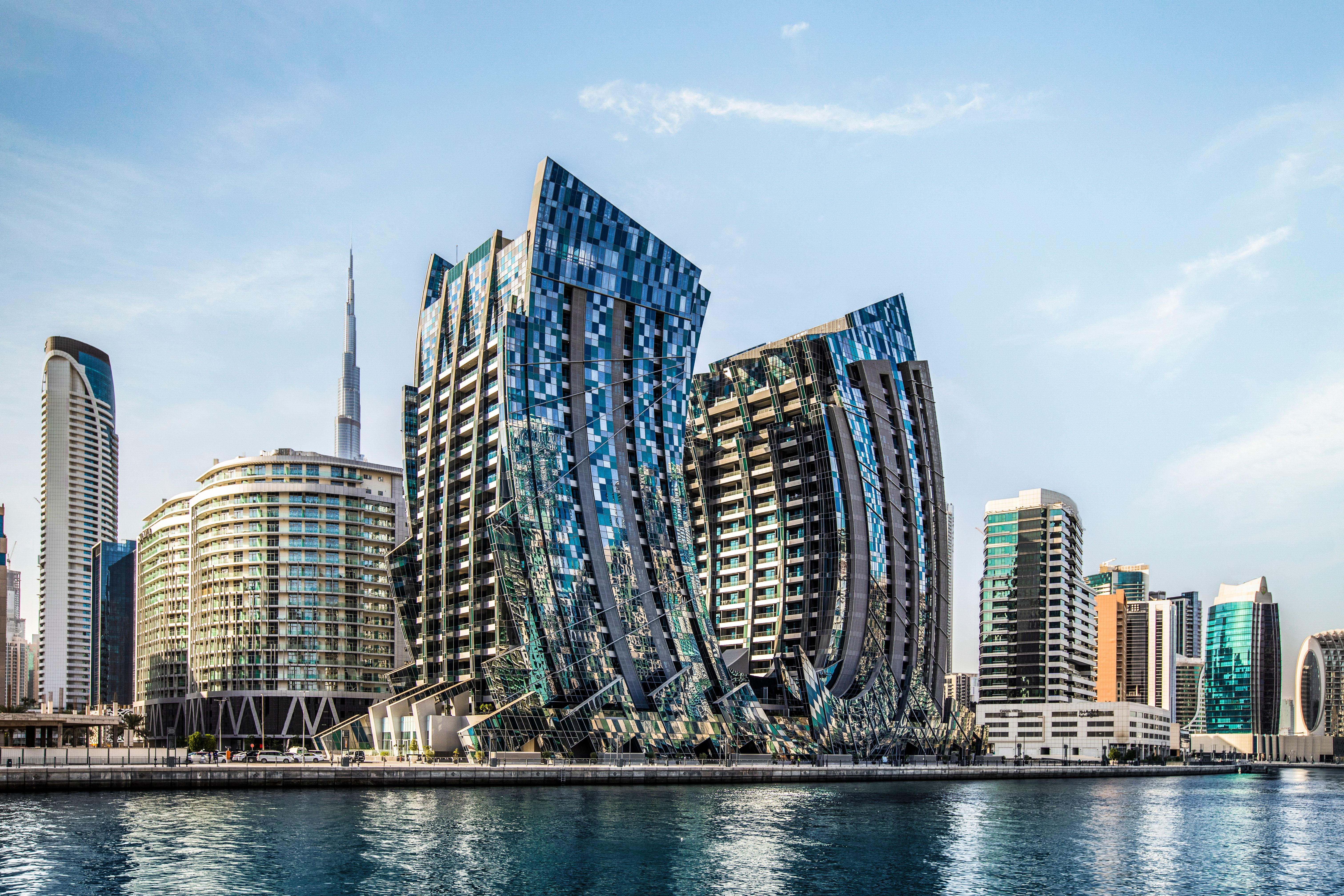
Dubai's real estate market has witnessed a significant shift towards off-plan transactions in recent years. This trend is underpinned by several factors, including attractive payment plans, higher capital appreciation potential, and the ability to customize properties before completion. Off-plan properties in Dubai are typically delivered within 2-4 years, which is relatively quick compared to other global markets. This rapid handover speed is a result of the emirate's streamlined construction processes and stringent regulatory oversight.
| Area / Option | Price/sqft (AED) | Rental Yield | Capital Growth YoY |
|---|---|---|---|
| Hayat Island RAK | 800–1,100 | 6–8% | +18% (2025–2026) |
| Dubai Marina | 1,200–2,200 | 5–7% | +15% (2025–2026) |
| Palm Jumeirah | 2,500–4,500 | 6–7% | +20% (2025–2026) |
| JVC | 700–1,200 | 7–9% | +12% (2025–2026) |
| Business Bay | 1,000–1,800 | 6–8% | +14% (2025–2026) |
Source: Dubai Land Department, RAK Properties, ValuStrat Q1 2026
Deeper Analysis / Mechanics
The mechanics of off-plan property transactions in Dubai involve a structured payment plan, typically spread over the construction period. This allows investors to manage their cash flow effectively and mitigate the risk of a large upfront investment. The Dubai Land Department (DLD) has implemented stringent regulations to protect investor interests, including the establishment of trust accounts to safeguard payments and ensure timely project delivery.
Construction risk in Dubai is further mitigated by the presence of reputable developers with proven track records. These developers adhere to the highest construction standards and are subject to regular audits by the DLD. In our Q2 2026 transactions, we observed that projects by well-established developers experienced minimal delays, reinforcing the low-risk nature of off-plan investments in Dubai.
Specific Locations / Examples with Numbers
Hayat Island in Ras Al Khaimah (RAK) is a prime example of a successful off-plan development. With a total transaction volume of AED 11B in Q1 2026, RAK witnessed a staggering 240% YoY growth (Source: RAK Properties). Cape Hayat, a luxury residential project on the island, is 86.5% complete and on track for delivery in 2027. Prices at Hayat Island range from AED 800–1,100/sqft, offering an attractive investment opportunity with rental yields of 6–8% and capital growth of +18% between 2025 and 2026 (Source: ValuStrat).
Similarly, Dubai Marina has emerged as a hotspot for off-plan transactions, with prices averaging AED 1,200–2,200/sqft and rental yields of 5–7%. Capital growth in Dubai Marina stood at +15% YoY in 2026, making it an attractive option for investors seeking a balance between capital appreciation and rental income.
Risk Factors / What Buyers Miss / Bear Case
While off-plan properties in Dubai offer numerous advantages, there are certain risk factors that buyers should be aware of. One such risk is the potential for project delays, which can be mitigated by choosing reputable developers with a strong track record. Another risk is the fluctuation in property prices, which can impact returns. However, Dubai's robust real estate market has demonstrated resilience, with residential capital values increasing by 10% in 2026 (Source: ValuStrat).
The bear case for off-plan investments in Dubai would involve a scenario where economic downturns or unforeseen circumstances lead to project delays or cancellations. However, such occurrences are rare due to the stringent regulations and oversight by the DLD. In our experience, the majority of off-plan projects in Dubai are delivered on time and within budget, minimizing construction risk for investors.
What to do Next / Practical Steps
For investors looking to capitalize on Dubai's off-plan property market, it is crucial to conduct thorough due diligence. This includes researching the developer's track record, understanding the payment plan, and assessing the location's growth potential. Sofia Sands Realty (sofiasandsrealty.ae, RERA 41793) holds direct allocation on Bay Views, Hayat Island, and other prime locations, offering investors access to exclusive off-plan opportunities with attractive returns.
Frequently Asked Questions
What is the average time frame for off-plan property handover in Dubai?
Off-plan properties in Dubai are typically handed over within 2-4 years, depending on the project's size and complexity. This rapid handover speed is a result of the emirate's streamlined construction processes and stringent regulatory oversight.
How does Dubai's off-plan market compare to other global markets?
Dubai's off-plan market is characterized by rapid handover speeds and relatively low construction risk, making it an attractive proposition for investors compared to other global markets. In Q1 2026, off-plan transactions accounted for 70% of Dubai's total AED 176.7B in property sales, with an average price of AED 2,047/sqft, a 12.5% increase YoY (Source: DLD).
What are the benefits of investing in off-plan properties in Dubai?
Investing in off-plan properties in Dubai offers several benefits, including attractive payment plans, higher capital appreciation potential, and the ability to customize properties before completion. Off-plan properties also allow investors to manage their cash flow effectively and mitigate the risk of a large upfront investment.
What are the potential risks of investing in off-plan properties in Dubai?
While off-plan properties in Dubai offer numerous advantages, there are certain risk factors that buyers should be aware of. One such risk is the potential for project delays, which can be mitigated by choosing reputable developers with a strong track record. Another risk is the fluctuation in property prices, which can impact returns.
How can I protect myself as an investor in Dubai's off-plan market?
To protect yourself as an investor in Dubai's off-plan market, it is crucial to conduct thorough due diligence. This includes researching the developer's track record, understanding the payment plan, and assessing the location's growth potential. Additionally, ensure that the project is registered with the Dubai Land Department and that payments are made through a trust account to safeguard your investment.
What is the role of the Dubai Land Department (DLD) in off-plan property transactions?
The Dubai Land Department (DLD) plays a crucial role in regulating off-plan property transactions. It establishes trust accounts to safeguard payments, ensures timely project delivery, and conducts regular audits of developers to maintain the highest construction standards. The DLD also implements stringent regulations to protect investor interests and promote transparency in the market.
How do I choose the right off-plan property in Dubai?
Choosing the right off-plan property in Dubai involves several steps, including researching the developer's track record, understanding the payment plan, and assessing the location's growth potential. It is also essential to consider factors such as rental yields, capital appreciation potential, and the property's proximity to amenities and infrastructure.
What are the tax implications of investing in off-plan properties in Dubai?
Investing in off-plan properties in Dubai is generally tax-friendly for foreign investors. There are no income taxes, capital gains taxes, or property taxes on real estate transactions. However, it is essential to consult with a tax advisor to understand any potential tax implications based on your specific circumstances and jurisdiction.