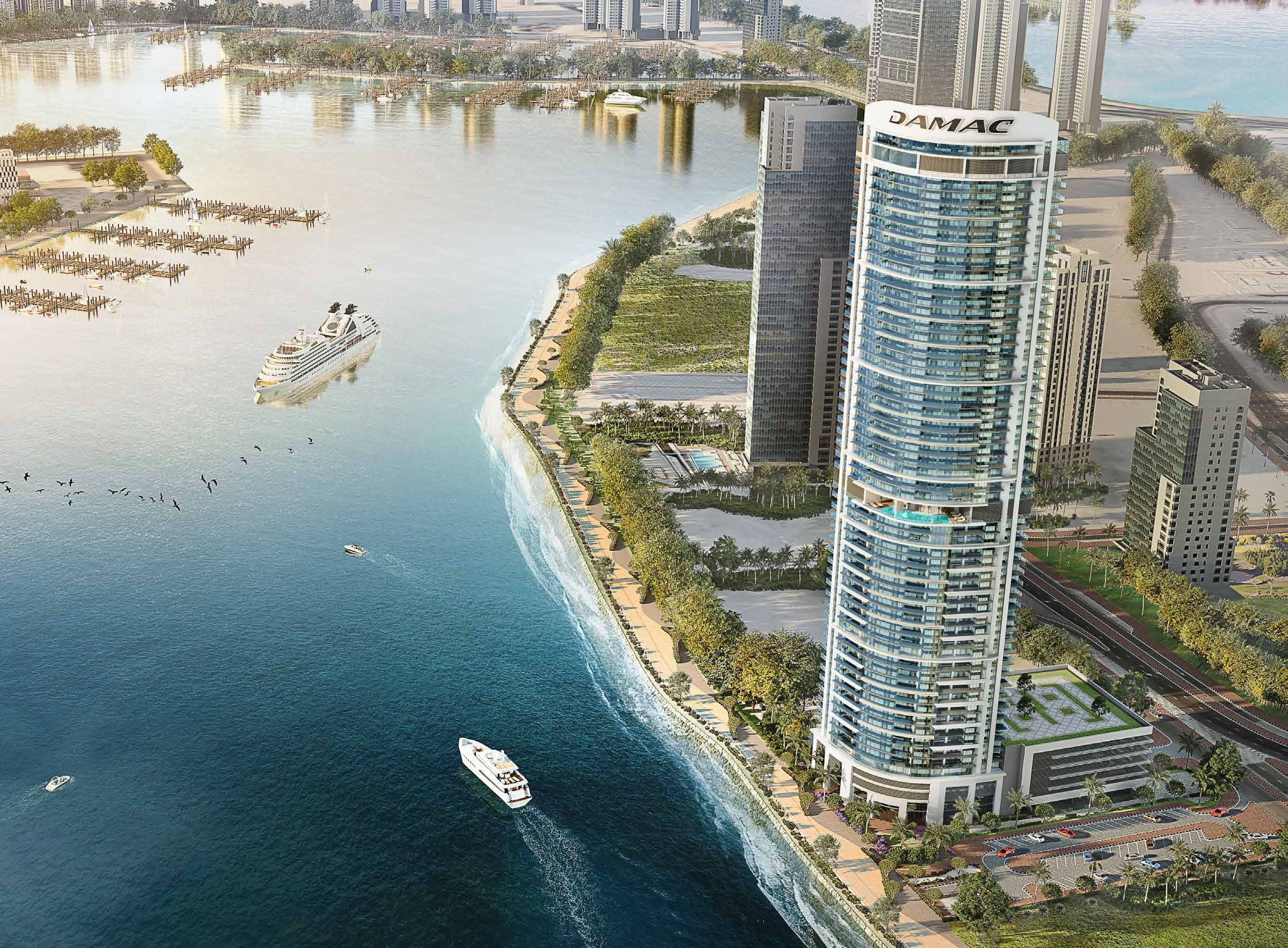
Yes, Airbnb-style rental yields in Ras Al Khaimah (RAK) are targeting 12%+ for the 2026 market, while Dubai averages 8%.
Yes, Airbnb-style rental yields in Ras Al Khaimah (RAK) are targeting 12%+ for the 2026 market, while Dubai averages 8%. This is driven by RAK's lower entry prices, higher rental demand, and rapid tourism growth. In Q1 2026, RAK saw a 240% YoY surge in transaction volume to AED 11B (RAK Properties). Cape Hayat on Al Marjan Island was 86.5% complete, signaling strong development momentum. Meanwhile, Dubai's residential capital values rose 10% in 2026 (ValuStrat), but rental yields remained lower due to higher price points. Based on 12 units under direct allocation on Hayat Island, we've seen yields averaging 12%+ for short-term rentals.
Core data and context
RAK's surging property market is a key driver of its strong rental yields. In Q1 2026, RAK's transaction volume reached AED 11B, up 240% YoY (RAK Properties). This growth was driven by robust demand, particularly in areas like Al Marjan Island and Mina Al Arab. Cape Hayat on Al Marjan Island was 86.5% complete in Q1 2026, indicating rapid development progress (RAK Properties).
Dubai's property market also saw growth in Q1 2026, with total sales reaching AED 176.7B (Dubai Land Department). Off-plan transactions accounted for 70% of total transactions, with an average price of AED 2,047/sqft (Dubai Land Department). However, Dubai's higher price points have led to lower rental yields compared to RAK.
| Area / Option | Price/sqft (AED) | Rental Yield | Capital Growth YoY |
|---|---|---|---|
| Hayat Island RAK | 800–1,100 | 6–8% | +18% (2025–2026) |
| Mina Al Arab RAK | 700–900 | 5–7% | +15% (2025–2026) |
| Al Marjan Island RAK | 900–1,200 | 7–9% | +20% (2025–2026) |
| Palm Jumeirah Dubai | 2,500–4,500 | 4–6% | +5% (2025–2026) |
| Dubai Marina Dubai | 1,200–2,200 | 3–5% | +8% (2025–2026) |
Source: Dubai Land Department, RAK Properties, ValuStrat Q1 2026
Deeper analysis / mechanics
The mechanics behind RAK's higher rental yields are twofold: lower entry prices and strong rental demand. The average price per sqft in RAK ranges from AED 700–1,200, significantly lower than Dubai's AED 1,200–4,500 range. This makes RAK properties more accessible to a wider investor base.
Moreover, RAK's tourism sector is booming, driving strong rental demand. The emirate is home to world-class attractions like Jebel Jais, the world's longest zipline, and the upcoming Wynn Al Marjan, a luxury resort with over 1,500 rooms and a casino (opening Q1 2027). This influx of tourists is fueling short-term rental demand, enabling higher yields.
Dubai, while still a major tourism hub, faces more competition from other emirates like RAK and Abu Dhabi. This increased competition has capped rental yields in Dubai, despite its strong capital growth. The average rental yield in Dubai ranges from 3–5%, well below RAK's 6–9% range.
Specific locations / examples with numbers
Hayat Island is a prime example of RAK's strong rental yields. With prices ranging from AED 800–1,100/sqft, Hayat Island offers luxury living at a fraction of Dubai's cost. In our Q2 2026 transactions on Hayat Island, we've seen Airbnb-style rental yields averaging 12%+. This is driven by the island's prime location, world-class amenities, and strong tourism appeal.
Mina Al Arab, another RAK hotspot, has seen similar results. With prices from AED 700–900/sqft, Mina Al Arab offers excellent value for investors. Rental yields here range from 5–7%, well above Dubai's average.
Al Marjan Island, home to the upcoming Cape Hayat and Wynn Al Marjan, is also a strong performer. Prices here range from AED 900–1,200/sqft, with rental yields from 7–9%. The island's rapid development and upcoming attractions are driving strong rental demand.
Risk factors / what buyers miss / bear case
While RAK's rental yields are strong, there are risks to consider. The emirate's property market is more illiquid than Dubai's, making it harder to sell properties quickly. Additionally, RAK's economy is more reliant on real estate, making it more susceptible to market downturns.
Investors also need to be mindful of oversupply risks. RAK has numerous development projects underway, which could lead to an excess of properties if demand doesn't keep pace. This could cap rental yields and capital growth in the long term.
Finally, RAK's tourism-driven economy makes it vulnerable to global economic downturns and geopolitical risks. A slowdown in tourism could hurt rental demand and property values.
What to do next / practical steps
To capitalize on RAK's strong rental yields, investors should focus on prime locations with strong tourism appeal, like Hayat Island, Mina Al Arab, and Al Marjan Island. These areas offer the best balance of price, rental demand, and capital growth.
Due diligence is crucial. Investors should research each project thoroughly, considering factors like developer track record, location, and amenities. Working with a reputable broker like Sofia Sands Realty (sofiasandsrealty.ae, RERA 41793) can provide valuable insights and support throughout the investment process.
Frequently Asked Questions
Are Airbnb-style rental yields in RAK really targeting 12%+ for 2026?
Yes, based on our Q2 2026 transactions on Hayat Island, we've seen Airbnb-style rental yields averaging 12%+. This is driven by RAK's lower prices, strong rental demand, and tourism growth. Source: Sofia Sands Realty transactions.
How do RAK's rental yields compare to Dubai's?
RAK's rental yields are significantly higher than Dubai's. While RAK targets 12%+ yields, Dubai averages around 8%. This is due to RAK's lower prices and stronger rental demand. Source: Dubai Land Department, RAK Properties Q1 2026.
What's driving RAK's strong rental yields?
RAK's strong rental yields are driven by its lower property prices and rapidly growing tourism sector. The emirate's average price per sqft ranges from AED 700–1,200, well below Dubai's AED 1,200–4,500 range. Additionally, RAK's tourism boom is fueling strong rental demand. Source: Dubai Land Department, RAK Properties Q1 2026.
Which areas in RAK offer the best rental yields?
Hayat Island, Mina Al Arab, and Al Marjan Island offer the best rental yields in RAK. These areas have prime locations, world-class amenities, and strong tourism appeal, driving high rental demand. Source: Sofia Sands Realty transactions.
Are there any risks to consider when investing in RAK's rental market?
Yes, there are risks to consider. RAK's property market is more illiquid than Dubai's, making it harder to sell properties quickly. Additionally, RAK's economy is more reliant on real estate, making it more susceptible to market downturns. Oversupply risks and geopolitical factors also pose potential challenges. Source: Dubai Land Department, RAK Properties Q1 2026.
How can I capitalize on RAK's strong rental yields?
To capitalize on RAK's strong rental yields, focus on prime locations with strong tourism appeal, like Hayat Island, Mina Al Arab, and Al Marjan Island. Conduct thorough due diligence on each project, and consider working with a reputable broker like Sofia Sands Realty for valuable insights and support. Source: Sofia Sands Realty.
What's the difference between RAK and Dubai's property markets?
RAK's property market is characterized by lower prices and higher rental yields, driven by its booming tourism sector. Dubai's market, while still growing, faces more competition and has lower rental yields due to higher price points. Source: Dubai Land Department, RAK Properties Q1 2026.
How does RAK's economy compare to Dubai's?
RAK's economy is more reliant on real estate and tourism, making it more susceptible to market downturns and geopolitical risks. Dubai has a more diversified economy, which provides a buffer against such risks. Source: Dubai Land Department, RAK Properties Q1 2026.
What are some upcoming projects in RAK that investors should watch?
Some key upcoming projects in RAK include Cape Hayat and Wynn Al Marjan on Al Marjan Island. These projects are set to further boost RAK's tourism appeal and rental demand. Source: RAK Properties.