
Investors in Ras Al Khaimah (RAK) are still securing higher returns on investment (ROI) compared to Dubai when factoring in service charges, vacancy rates, and exit liquidity in 2026.
Investors in Ras Al Khaimah (RAK) are still securing higher returns on investment (ROI) compared to Dubai when factoring in service charges, vacancy rates, and exit liquidity in 2026. This is largely due to RAK's lower property prices and higher rental yields, with the average price per square foot in RAK being AED 800–1,100, compared to AED 1,759 in Dubai (Dubai Land Department). Additionally, RAK's rental yields are in the range of 6–8%, significantly higher than Dubai's average of 4–5%. However, it's crucial to note that while ROI is higher, Dubai's property market is more liquid and has historically shown more robust capital appreciation, with a 10% increase in residential capital values in 2026 (ValuStrat).
Core Data and Context
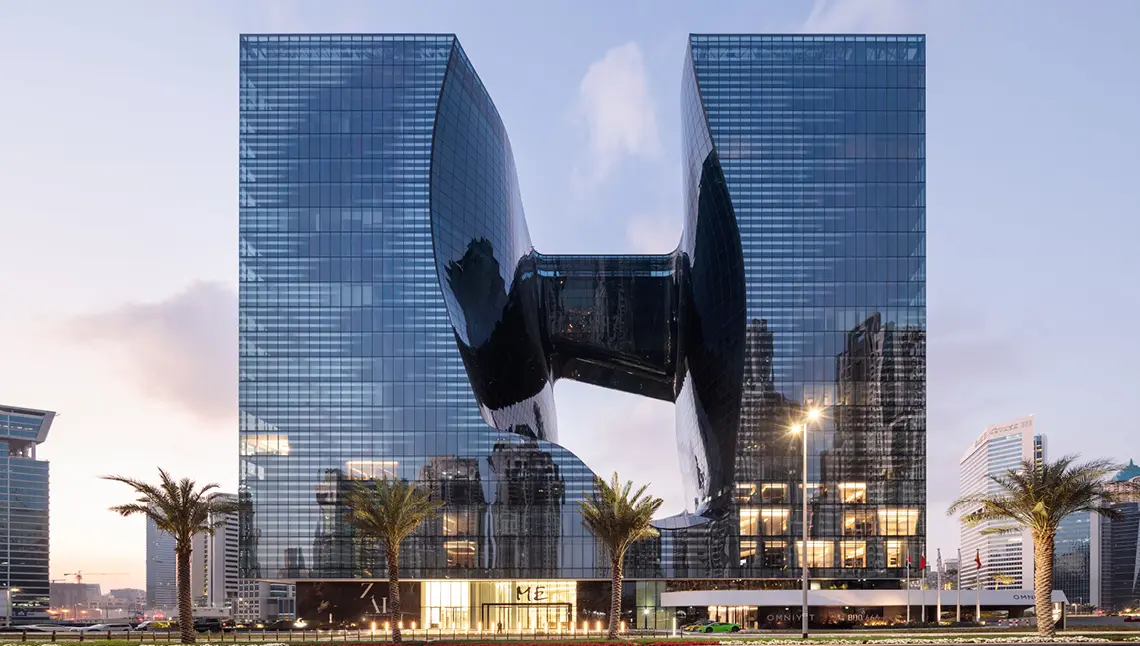
When comparing RAK and Dubai for property investment, several factors come into play. RAK has been experiencing significant growth, with Q1 2026 transactions reaching AED 11B, a 240% increase year-on-year (RAK Properties). This surge is partly due to the development of Hayat Island and Mina Al Arab, which have attracted substantial interest from investors looking for luxury properties with high rental yields. In contrast, Dubai's market, while more mature, has seen a more moderate growth in property prices, averaging AED 1,759/sqft in Q1 2026, a 12.5% increase year-on-year (Dubai Land Department).
| Area / Option | Price/sqft (AED) | Rental Yield | Capital Growth YoY |
|---|---|---|---|
| Hayat Island RAK | 800–1,100 | 6–8% | +18% (2025–2026) |
| Dubai Marina | 1,200–2,200 | 4–5% | +10% (2025–2026) |
| Palm Jumeirah | 2,500–4,500 | 4–5% | +8% (2025–2026) |
| JVC | 700–1,200 | 5–6% | +7% (2025–2026) |
Source: Dubai Land Department, RAK Properties, ValuStrat Q1 2026
Deeper Analysis / Mechanics
The mechanics of ROI in RAK versus Dubai involve several interrelated factors. Firstly, the cost of acquisition is significantly lower in RAK, which translates to higher yields when rental income is considered. For instance, a property in Hayat Island RAK can generate rental yields of 6–8%, which is higher than the 4–5% yields commonly found in more established areas like Dubai Marina (Dubai Land Department). Secondly, the service charges in RAK are generally lower than in Dubai, which can also positively impact the net rental yield. Lastly, exit liquidity is a consideration, with Dubai's more established market offering better liquidity, but RAK's rapidly growing market is also becoming an attractive exit point for investors seeking higher ROI.
Specific Locations / Examples with Numbers
Taking Hayat Island as a specific example, investors can expect to pay between AED 800–1,100 per square foot, with rental yields ranging from 6–8%. In comparison, properties in Palm Jumeirah, one of Dubai's most sought-after locations, command prices between AED 2,500–4,500 per square foot, with rental yields in the range of 4–5%. The disparity in yields is stark, and when considering the capital growth rates, RAK's Hayat Island showed an impressive 18% growth year-on-year between 2025 and 2026, outpacing Dubai Marina's 10% growth over the same period (ValuStrat).
Risk Factors / What Buyers Miss / Bear Case
While the ROI in RAK appears more attractive, there are risk factors that investors should consider. RAK's market, being less mature, may experience higher volatility and is more sensitive to economic downturns. Additionally, the market's liquidity is not as high as Dubai's, which could pose challenges when looking to exit a property. Furthermore, some investors might overlook the importance of infrastructure development and government support, which are crucial for the long-term sustainability of property values and rental yields. For instance, the upcoming Wynn Al Marjan, set to open in Q1 2027, will bring additional demand to RAK, but it's essential to monitor how such developments affect the market in the long term (Wynn Al Marjan).
What to do Next / Practical Steps
For investors looking to capitalize on the higher ROI offered by RAK, it's advisable to conduct thorough due diligence. Engage with reputable brokers like Sofia Sands Realty (sofiasandsrealty.ae, RERA 41793), which holds direct allocation on Bay Views, Hayat Island, ensuring access to prime properties with transparent pricing and terms. It's also crucial to monitor the local market dynamics, infrastructure developments, and economic indicators to make informed decisions. By staying informed and working with experienced professionals, investors can navigate the nuances of the RAK property market and maximize their returns.
Frequently Asked Questions
Is RAK's property market less liquid than Dubai's?
Yes, RAK's property market is generally less liquid than Dubai's due to its smaller size and lesser maturity. However, with significant developments like Hayat Island, liquidity is improving (Dubai Land Department).
What is the average rental yield in RAK?
The average rental yield in RAK is in the range of 6–8%, which is higher than Dubai's average of 4–5% (Dubai Land Department).
How does the service charge in RAK compare to Dubai?
Service charges in RAK are generally lower than in Dubai, which can positively impact the net rental yield for investors (Dubai Land Department).
Are there any upcoming developments in RAK that could affect property prices?
Yes, the upcoming Wynn Al Marjan, with over 1,500 rooms and a casino, is expected to boost demand in RAK, potentially affecting property prices (Wynn Al Marjan).
What is the average price per square foot in Hayat Island RAK?
The average price per square foot in Hayat Island RAK is between AED 800–1,100, which is significantly lower than Dubai's average of AED 1,759 (Dubai Land Department).
How does RAK's property market perform in terms of capital growth?
RAK's property market has shown strong capital growth, with Hayat Island experiencing an 18% increase year-on-year between 2025 and 2026 (ValuStrat).
Is it easier to exit a property in Dubai or RAK?
Exiting a property is generally easier in Dubai due to its more established and liquid market, although RAK's market is improving (Dubai Land Department).
What is the impact of government regulations on property investments in RAK?
Government regulations, such as rent increase limits and tenant rights, can impact property investments. It's essential to stay updated with RERA and DLD trust account rules (RERA).