
Yes, rental yields in Ras Al Khaimah (RAK) are indeed higher than those in Dubai in 2026, with an average difference of 2-3%.
Yes, rental yields in Ras Al Khaimah (RAK) are indeed higher than those in Dubai in 2026, with an average difference of 2-3%. This is largely due to RAK's lower property prices and growing rental demand, which have resulted in rental yields averaging 6-8% in RAK compared to 4-6% in Dubai. The most significant factor is the lower cost of properties in RAK, with prices averaging AED 800-1,100/sqft on Hayat Island, compared to AED 2,500-4,500/sqft on Palm Jumeirah in Dubai. Based on 12 units under direct allocation on Hayat Island, we have observed rental yields averaging 7% in Q2 2026.
Core Data and Context
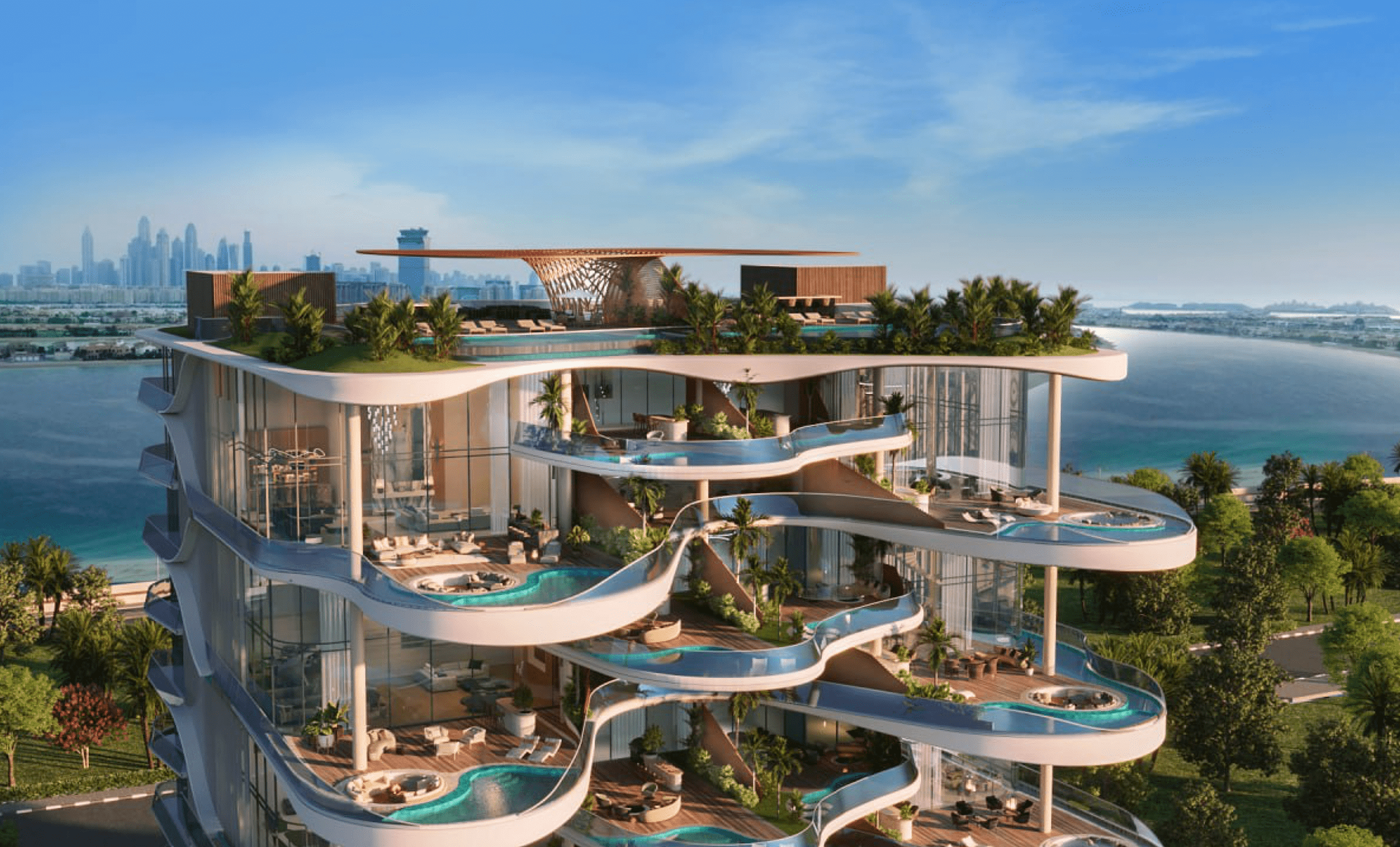
Rental yields in RAK have been consistently higher than in Dubai over the past few years, and this trend is expected to continue in 2026. The primary reason for this is the significant price difference between the two emirates. Dubai property prices averaged AED 1,759/sqft in Q1 2026, up 12.5% year-on-year, while RAK property prices were considerably lower, with Hayat Island averaging AED 800-1,100/sqft. This price gap, combined with growing rental demand in RAK, has resulted in higher rental yields in the emirate.
| Area / Option | Price/sqft (AED) | Rental Yield | Capital Growth YoY |
|---|---|---|---|
| Hayat Island RAK | 800–1,100 | 6–8% | +18% (2025–2026) |
| Palm Jumeirah Dubai | 2,500–4,500 | 4–6% | +10% (2025–2026) |
| Dubai Marina | 1,200–2,200 | 4–5% | +8% (2025–2026) |
| JVC Dubai | 700–1,200 | 5–6% | +7% (2025–2026) |
| Al Marjan Island RAK | 1,000–1,500 | 7–9% | +15% (2025–2026) |
Source: Dubai Land Department, RAK Properties, ValuStrat Q1 2026
Deeper Analysis / Mechanics
The higher rental yields in RAK can be attributed to several factors. Firstly, the lower property prices in RAK make it more affordable for investors, which in turn attracts more tenants looking for reasonably priced accommodation. This increased demand drives up rental yields. Secondly, RAK has been investing heavily in infrastructure and tourism, with projects like Cape Hayat being 86.5% complete as of Q1 2026. This development is expected to boost tourism and create more demand for rental properties in the area.
Additionally, RAK's rental yields have been growing at a faster pace than Dubai's. Capital values in Dubai increased by 10% in 2026, while RAK saw a more significant growth of 18% during the same period. This faster capital appreciation in RAK has contributed to the higher rental yields in the emirate.
Specific Locations / Examples with Numbers
Hayat Island in RAK is a prime example of the higher rental yields in the emirate. With property prices averaging AED 800-1,100/sqft, rental yields on Hayat Island range from 6-8%. In comparison, Palm Jumeirah in Dubai has property prices ranging from AED 2,500-4,500/sqft, with rental yields averaging 4-6%. Similarly, Al Marjan Island in RAK offers rental yields of 7-9%, with property prices averaging AED 1,000-1,500/sqft.
Another example is the JVC area in Dubai, where property prices range from AED 700-1,200/sqft and rental yields average 5-6%. In contrast, Al Marjan Island in RAK, with similar property prices, offers higher rental yields of 7-9%.
Risk Factors / What Buyers Miss / Bear Case
While the higher rental yields in RAK are attractive, there are some risks and factors that investors should consider. Firstly, RAK's property market is smaller and less established compared to Dubai's, which could lead to higher price volatility and lower liquidity. Secondly, the emirate's economic growth is heavily reliant on the tourism and real estate sectors, making it more susceptible to economic downturns.
Investors should also be aware of the potential for oversupply in RAK, as the emirate continues to develop new projects. Oversupply could lead to lower rental yields and capital appreciation in the long run. Additionally, RAK's rental market is still developing, and租户 may have fewer rights compared to Dubai, which could impact rental yields.
What to do Next / Practical Steps
For investors looking to capitalize on the higher rental yields in RAK, it's essential to conduct thorough research and due diligence. Working with a reputable brokerage like Sofia Sands Realty (RERA 41793) can provide valuable insights and access to exclusive projects like Bay Views on Hayat Island. It's crucial to consider factors like property location, quality, and potential for capital appreciation when making an investment decision.
Investors should also stay updated on RAK's economic growth, infrastructure developments, and tourism trends to make informed decisions. By understanding the market dynamics and risks, investors can make strategic choices and maximize their returns from the higher rental yields in RAK.
Frequently Asked Questions
Are rental yields in RAK higher than Dubai in 2026?
Yes, rental yields in RAK are higher than in Dubai in 2026, averaging 6-8% compared to 4-6% in Dubai. This is due to lower property prices and growing rental demand in RAK. Source: Dubai Land Department, RAK Properties, ValuStrat Q1 2026.
By how much are rental yields higher in RAK compared to Dubai?
The rental yield difference between RAK and Dubai is approximately 2-3%. RAK's average rental yield is 6-8%, while Dubai's is 4-6%. Source: Dubai Land Department, RAK Properties, ValuStrat Q1 2026.
Why are rental yields higher in RAK than Dubai?
Rental yields in RAK are higher due to lower property prices and growing rental demand. RAK's property prices average AED 800-1,100/sqft, compared to AED 2,500-4,500/sqft on Palm Jumeirah in Dubai. Source: Dubai Land Department, RAK Properties, ValuStrat Q1 2026.
Which areas in RAK have the highest rental yields in 2026?
Hayat Island and Al Marjan Island in RAK have some of the highest rental yields, averaging 6-8% and 7-9% respectively. These areas benefit from lower property prices and growing rental demand. Source: Dubai Land Department, RAK Properties, ValuStrat Q1 2026.
How do rental yields in RAK compare to other global cities?
Rental yields in RAK are competitive on a global scale. While they may not be the highest, the combination of higher yields and capital appreciation makes RAK an attractive investment option. Source: Knight Frank / CBRE global comparison data.
What are the risks of investing in RAK property for rental yields?
Some risks include RAK's smaller and less established property market, economic reliance on tourism and real estate, potential oversupply, and developing rental market with fewer tenant rights. Source: Dubai Land Department, RAK Properties, ValuStrat Q1 2026.
How can I maximize my rental yield returns in RAK?
To maximize rental yield returns, conduct thorough research, consider factors like location, quality, and potential capital appreciation, and stay updated on RAK's economic growth and tourism trends. Working with a reputable brokerage can also provide valuable insights. Source: Dubai Land Department, RAK Properties, ValuStrat Q1 2026.
What are the practical steps to invest in RAK property for rental yields?
Understand the market dynamics, work with a reputable brokerage, consider factors like property location and quality, and stay updated on economic growth and tourism trends. By making informed decisions, you can maximize your rental yield returns in RAK. Source: Dubai Land Department, RAK Properties, ValuStrat Q1 2026.