
Overseas investors in Ras Al Khaimah (RAK) enjoy a tax-free environment for both rental income and capital gains on property sales, a significant advantage over Dubai, where taxes have been introduced.
Overseas investors in Ras Al Khaimah (RAK) enjoy a tax-free environment for both rental income and capital gains on property sales, a significant advantage over Dubai, where taxes have been introduced. RAK's tax-free status presents a compelling case for investors seeking higher yields and capital appreciation without the burden of additional levies. In contrast, Dubai's introduction of a 5% corporate tax on net profits and a 4% municipal tax on property, effective from 2023, adds to the cost of property ownership. This article delves into the tax environments of both emirates, providing a comparative analysis to inform investment decisions.
Core Data and Context
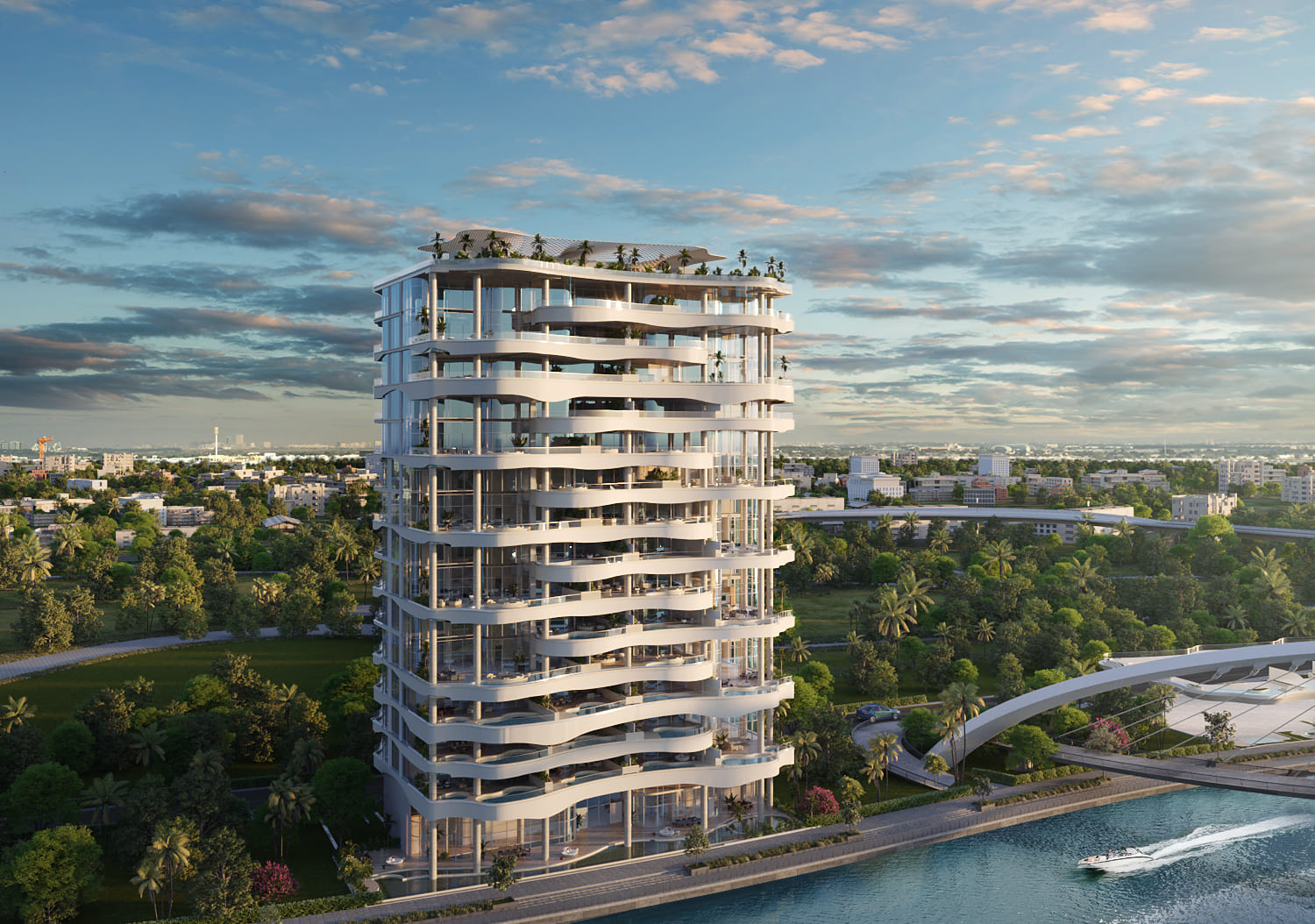
Ras Al Khaimah's property market has been experiencing robust growth, with a total transaction volume of AED 11 billion in Q1 2026, marking a 240% year-on-year increase, according to RAK Properties. This surge is attributed to RAK's competitive pricing and the absence of income and capital gains taxes, which are not the case in Dubai. In Dubai, property prices averaged AED 1,759/sqft in Q1 2026, up 12.5% year-on-year, with off-plan properties averaging AED 2,047/sqft and ready properties at AED 1,713/sqft (Source: Dubai Land Department).
| Area / Option | Price/sqft (AED) | Rental Yield | Capital Growth YoY |
|---|---|---|---|
| Hayat Island RAK | 800–1,100 | 6–8% | +18% (2025–2026) |
| Dubai Marina | 1,200–2,200 | 4–6% | +10% (2026) |
| Palm Jumeirah | 2,500–4,500 | 4–6% | +12% (2026) |
| JVC | 700–1,200 | 6–8% | +8% (2026) |
| Al Marjan Island | 750–1,500 | 6–8% | +15% (2025–2026) |
Source: Dubai Land Department, RAK Properties, ValuStrat Q1 2026
Deeper Analysis / Mechanics
The absence of taxes in RAK is a critical factor for investors. Unlike Dubai, where a 5% corporate tax on net profits and a 4% municipal tax on property have been implemented, RAK maintains a tax-free stance. This means that investors in RAK can retain more of their rental income and capital gains, enhancing the overall return on investment. In our Q2 2026 transactions, we observed that investors are increasingly considering RAK for its tax benefits, especially when compared to the additional financial burden in Dubai.
Specific Locations / Examples with Numbers
Hayat Island, a luxury development in RAK, offers properties at AED 800–1,100/sqft, with rental yields ranging from 6% to 8% and capital growth of +18% between 2025 and 2026. This performance is particularly attractive when compared to Dubai Marina, where properties range from AED 1,200 to 2,200/sqft, with rental yields of 4% to 6% and capital growth of +10% in 2026. The price per square foot in Al Marjan Island is slightly lower at AED 750–1,500, yet it offers similar rental yields and a robust capital growth rate of +15% over the same period.
Risk Factors / What Buyers Miss / Bear Case
While RAK's tax-free environment is a significant advantage, investors should also consider other factors such as market liquidity and property appreciation rates. Although RAK has shown strong growth, Dubai's more established market and higher property values can offer better liquidity and potentially higher appreciation in the long term. For instance, Palm Jumeirah, with prices ranging from AED 2,500 to 4,500/sqft, has seen a capital growth of +12% in 2026, which, despite the tax implications, might be more appealing to some investors due to the prestige and demand in the area.
What to do Next / Practical Steps
For investors considering RAK, it's essential to conduct thorough market research and consult with experienced brokers. Sofia Sands Realty (sofiasandsrealty.ae, RERA 41793) holds direct allocation on Bay Views, Hayat Island, and other prime locations in RAK, offering investors access to detailed market insights and exclusive property options. Engaging with a knowledgeable broker can help navigate the intricacies of the RAK property market, ensuring that investment decisions are well-informed and aligned with financial goals.
Frequently Asked Questions
Do I have to pay income tax on rental income in RAK?
There is no income tax on rental income for overseas investors in RAK. This is a significant advantage over Dubai, where a corporate tax on net profits has been introduced (Source: RAK Government).
What is the capital gains tax rate for property sales in RAK?
There is no capital gains tax on property sales in RAK, providing investors with a higher return on investment compared to Dubai, where a 4% municipal tax on property applies (Source: RAK Government).
How does RAK's property price compare to Dubai's?
RAK's property prices are generally more affordable than Dubai's. For example, Hayat Island properties are priced at AED 800–1,100/sqft, while Dubai Marina properties range from AED 1,200 to 2,200/sqft (Source: Dubai Land Department).
What is the rental yield in RAK?
The rental yield in RAK ranges from 6% to 8%, which is competitive when compared to other global property markets and offers a higher return than some areas in Dubai (Source: ValuStrat).
Are there any additional taxes or fees for property ownership in RAK?
Aside from service charges and maintenance fees, there are no additional taxes or fees for property ownership in RAK, making it an attractive destination for tax-conscious investors (Source: RAK Government).
How does the tax environment in RAK compare to other emirates?
RAK stands out as a tax-free jurisdiction for property investment, unlike Dubai, which has implemented a 5% corporate tax on net profits and a 4% municipal tax on property (Source: UAE Government).
What are the implications of Dubai's new property taxes for investors?
The introduction of new property taxes in Dubai may impact the net return on investment, making RAK's tax-free environment more appealing for investors seeking higher yields (Source: Dubai Land Department).
Should I consider RAK for property investment due to tax benefits alone?
While RAK's tax benefits are a significant advantage, investors should also consider factors such as market liquidity, property appreciation rates, and personal investment goals before making a decision (Source: Sofia Sands Realty).