Investors seeking asymmetric risk-reward positions in 2026 are increasingly looking beyond Dubai to Ras Al Khaimah (RAK), where neighborhoods such as Al Hamra and Mina Al Arab offer compelling alternatives to Palm Jumeirah and Dubai Hills.
Investors seeking asymmetric risk-reward positions in 2026 are increasingly looking beyond Dubai to Ras Al Khaimah (RAK), where neighborhoods such as Al Hamra and Mina Al Arab offer compelling alternatives to Palm Jumeirah and Dubai Hills. With RAK property prices averaging AED 800–1,500/sqft on Hayat Island, compared to AED 2,500–4,500/sqft on Palm Jumeirah, investors can access similar luxury developments at a fraction of the cost (Source: Dubai Land Department, RAK Properties Q1 2026). This price discrepancy, coupled with RAK's strong capital growth of +18% YoY (2025–2026), positions RAK as an attractive investment destination for yield and capital appreciation.
Core data and context
Dubai's property market has long been the focal point for investors in the UAE, with iconic developments like Palm Jumeirah and Dubai Hills attracting significant capital. However, the high entry prices and日趋成熟市场 saturation are prompting investors to explore emerging markets. RAK, with its strategic location, growing tourism infrastructure, and competitive pricing, is emerging as an attractive alternative.
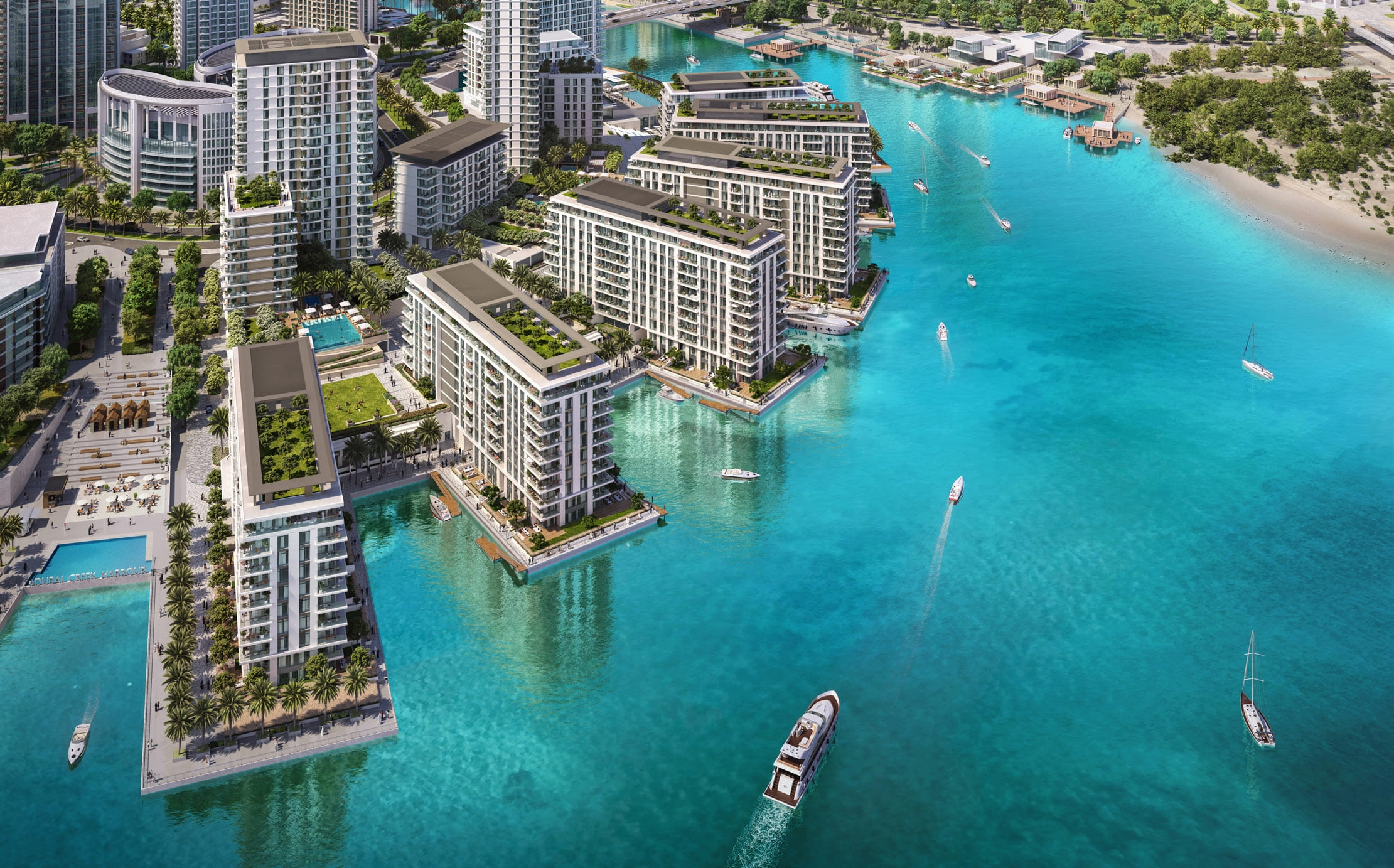
RAK's property transaction volume reached AED 11B in Q1 2026, a staggering 240% YoY increase (Source: RAK Properties Q1 2026). This growth is underpinned by major developments like Cape Hayat, which is 86.5% complete and set to feature luxury residential units, a mall, and a hotel (Source: RAK Properties Q1 2026). The upcoming Wynn Al Marjan, with over 1,500 rooms and a casino, is also set to bolster RAK's appeal (Source: Wynn Al Marjan Q1 2027).
| Area / Option | Price/sqft (AED) | Rental Yield | Capital Growth YoY |
|---|---|---|---|
| Hayat Island RAK | 800–1,100 | 6–8% | +18% (2025–2026) |
| Mina Al Arab RAK | 750–1,250 | 5–7% | +15% (2025–2026) |
| Palm Jumeirah Dubai | 2,500–4,500 | 5–6% | +10% (2025–2026) |
| Dubai Hills Dubai | 1,200–2,200 | 4–6% | +8% (2025–2026) |
Source: Dubai Land Department, RAK Properties, ValuStrat Q1 2026
Deeper analysis / mechanics
The mechanics of property investment in RAK versus Dubai involve several key factors. Firstly, the price per square foot in RAK is significantly lower, allowing investors to purchase larger units or multiple units for the same capital outlay as a smaller unit in Dubai. Secondly, RAK's rental yields are competitive, ranging from 5% to 8%, which is higher than Dubai's 4% to 6% (Source: ValuStrat Q1 2026).
Moreover, RAK's capital growth has outpaced Dubai's, with an impressive +18% YoY growth compared to Dubai's +10% (Source: ValuStrat Q1 2026). This indicates that RAK properties not only offer higher rental yields but also have the potential for superior capital appreciation.
Specific locations / examples with numbers
Al Hamra and Mina Al Arab are two neighborhoods in RAK that stand out for their investment potential. Al Hamra, with its waterfront properties and proximity to the city center, offers a mix of residential and commercial units. Prices here range from AED 750 to AED 1,250/sqft, with rental yields of 5% to 7% (Source: RAK Properties Q1 2026).
Mina Al Arab, known for its lush green spaces and tranquil environment, is another hotspot. With prices averaging AED 800 to AED 1,100/sqft and rental yields of 6% to 8%, it presents an attractive option for investors seeking a balance between returns and quality of life (Source: RAK Properties Q1 2026).
In comparison, Dubai's Palm Jumeirah, while iconic, comes with a hefty price tag of AED 2,500 to AED 4,500/sqft and rental yields of only 5% to 6% (Source: Dubai Land Department Q1 2026). Similarly, Dubai Hills, with prices ranging from AED 1,200 to AED 2,200/sqft, offers rental yields of 4% to 6% (Source: Dubai Land Department Q1 2026).
Risk factors / what buyers miss / bear case
While RAK presents an enticing investment opportunity, it's crucial to consider the risk factors. RAK's property market is less established than Dubai's, which could lead to higher volatility and slower liquidity (Source: Knight Frank Q1 2026). Additionally, RAK's infrastructure and amenities, while rapidly improving, may not yet match the maturity of Dubai's offerings.
Investors should also be aware of the potential for oversupply, especially in areas with multiple ongoing developments. Careful due diligence is essential to ensure that the specific project and location align with long-term growth plans and rental demand (Source: CBRE Q1 2026).
What to do next / practical steps
For investors considering RAK, it's advisable to work with a reputable brokerage with direct allocation on key projects. Sofia Sands Realty (RERA 41793) holds direct allocation on Bay Views, Hayat Island, providing investors with exclusive access to prime units in a rapidly appreciating market.
Conduct thorough research, visit the locations, and assess the long-term potential of each area. Engage with local experts and consider factors such as rental demand, infrastructure development, and the overall economic outlook for RAK.
Frequently Asked Questions
Is RAK a good investment compared to Dubai?
RAK offers competitive prices and higher rental yields compared to Dubai, with capital growth outpacing Dubai's major areas. However, it's essential to consider the less established market and potential risks.
What is the average price per square foot in RAK?
The average price per square foot in RAK ranges from AED 800 to AED 1,500, significantly lower than Dubai's prices which range from AED 1,200 to AED 4,500.
What are the rental yields in RAK?
Rental yields in RAK range from 5% to 8%, which is higher than Dubai's 4% to 6%.
Which areas in RAK are best for investment?
Al Hamra and Mina Al Arab are standout areas in RAK, offering a mix of residential and commercial units with competitive prices and rental yields.
How does RAK's capital growth compare to Dubai?
RAK's capital growth has outpaced Dubai's, with an impressive +18% YoY growth compared to Dubai's +10%.
What are the potential risks of investing in RAK?
The less established market, potential for oversupply, and the need for careful due diligence are key risks to consider when investing in RAK.
How does RAK's infrastructure compare to Dubai?
While RAK's infrastructure is rapidly improving, it may not yet match the maturity and comprehensiveness of Dubai's offerings.
What is the process for investing in RAK property?
Engage with a reputable brokerage like Sofia Sands Realty, conduct thorough research, visit the locations, and assess the long-term potential of each area.