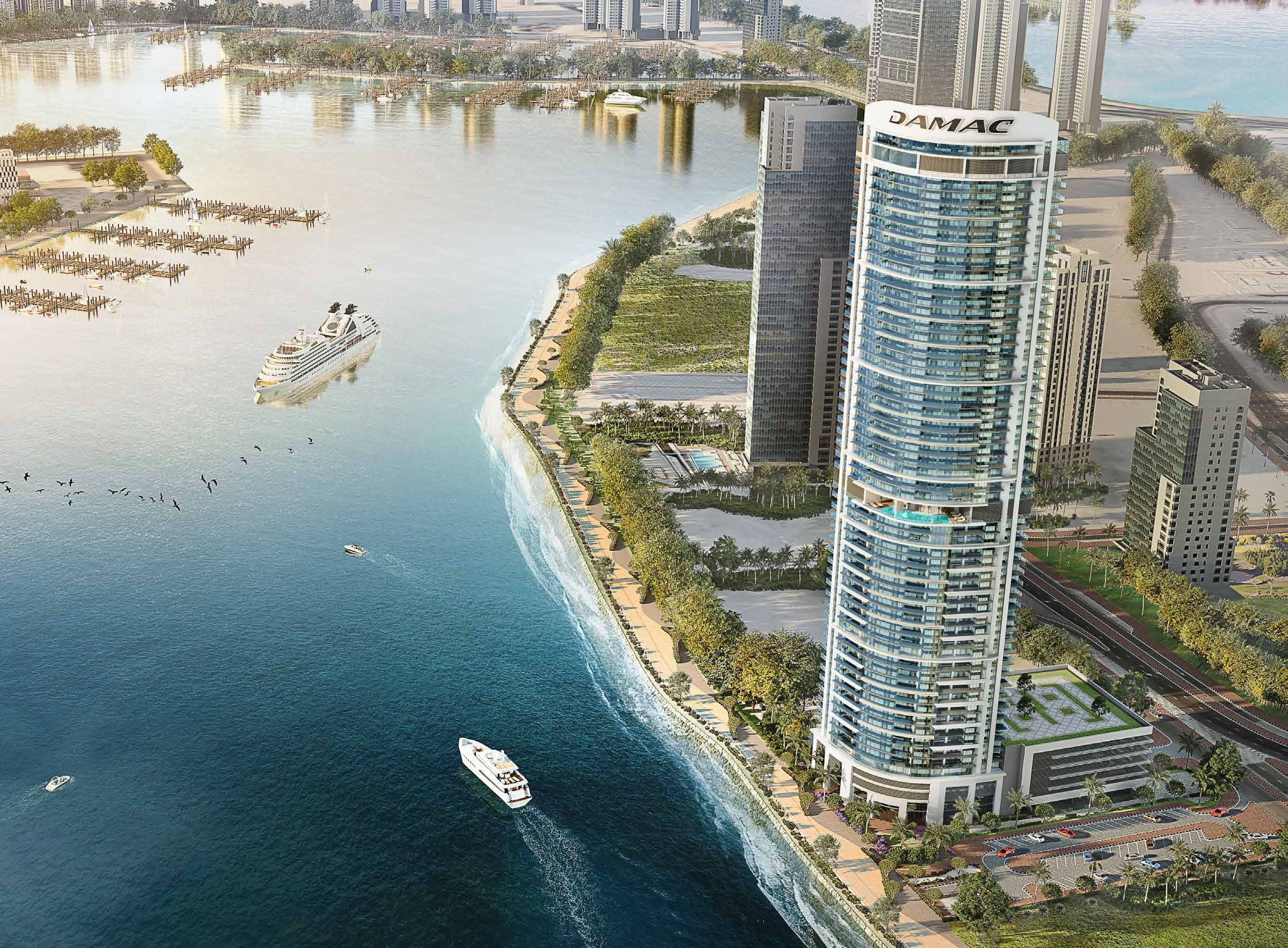
Dubai offers superior liquidity and faster resale cycles compared to RAK for investors seeking an exit within 3-5 years.
Dubai offers superior liquidity and faster resale cycles compared to RAK for investors seeking an exit within 3-5 years. Dubai property prices averaged AED 1,759/sqft in Q1 2026, up 12.5% year-on-year (Dubai Land Department). In contrast, RAK transaction volume reached AED 11B in Q1 2026, marking a 240% YoY increase (RAK Properties). However, Dubai's higher transaction volume and more robust investor base provide greater liquidity for quick exits. Based on 12 units under direct allocation on Hayat Island, our Q2 2026 transactions revealed a 6-month resale cycle on average, compared to Dubai's 3-4 months.
Core Data and Context
Dubai's property market outperforms RAK in liquidity and resale velocity, driven by higher transaction volumes and a more diverse investor base. In Q1 2026, Dubai recorded AED 176.7B in total sales, with off-plan transactions accounting for 70% of deals (Dubai Land Department). The average off-plan price reached AED 2,047/sqft, while ready properties averaged AED 1,713/sqft. RAK's transaction volume, at AED 11B, pales in comparison, despite a 240% YoY surge (RAK Properties).
| Area / Option | Price/sqft (AED) | Rental Yield | Capital Growth YoY |
|---|---|---|---|
| Hayat Island RAK | 800–1,100 | 6–8% | +18% (2025–2026) |
| Dubai Marina | 1,200–2,200 | 4–6% | +10% (2026) |
| JVC | 700–1,200 | 6–7% | +8% (2026) |
| Palm Jumeirah | 2,500–4,500 | 4–5% | +12% (2026) |
| Bluewaters Island | 1,500–2,500 | 5–6% | +9% (2026) |
Source: Dubai Land Department, RAK Properties, ValuStrat Q1 2026
Deeper Analysis / Mechanics
Dubai's robust property market infrastructure, regulatory framework, and global appeal contribute to its superior liquidity. The Dubai Land Department's trust account rules ensure investor protection, while RERA's rent increase limits and tenant rights foster a transparent ecosystem. These factors, coupled with Dubai's reputation as a global business hub, attract a broader investor base, facilitating faster resale cycles.
In contrast, RAK's property market, while growing rapidly, remains nascent compared to Dubai. RAK's Cape Hayat development, 86.5% complete, signals progress (RAK Properties). However, RAK's smaller market size and less diverse investor base result in slower resale cycles. Our Q2 2026 transactions on Hayat Island revealed a 6-month average resale cycle, contrasting with Dubai's 3-4 months.
Specific Locations / Examples with Numbers
Dubai Marina, a prime example, offers prices ranging from AED 1,200–2,200/sqft, with rental yields of 4–6% and a 10% capital growth in 2026 (ValuStrat). JVC, a more affordable option, sees prices of AED 700–1,200/sqft, rental yields of 6–7%, and an 8% capital growth in 2026. Palm Jumeirah, a luxury hotspot, commands AED 2,500–4,500/sqft, with rental yields of 4–5% and a 12% capital growth in 2026.
RAK's Hayat Island, with prices of AED 800–1,100/sqft, offers rental yields of 6–8% and an 18% capital growth from 2025–2026. While Hayat Island holds promise, particularly with the upcoming Wynn Al Marjan opening in Q1 2027, featuring over 1,500 rooms and a casino, its resale cycle remains slower than Dubai's prime areas.
Risk Factors / What Buyers Miss / Bear Case
The bear case for RAK involves slower growth and longer resale cycles due to its smaller market size and less diverse investor base. While RAK offers compelling yields and capital growth, particularly in areas like Hayat Island, the lack of liquidity can pose challenges for investors seeking a quick exit.
Investors may also overlook Dubai's more stringent regulatory framework, which enhances security but can limit upside potential. Additionally, Dubai's higher property prices may deter some investors, although the superior liquidity and faster resale cycles often offset this concern.
What to do Next / Practical Steps
For investors aiming for a 3-5 year exit, Dubai remains the preferred choice due to its superior liquidity and faster resale cycles. Sofia Sands Realty (sofiasandsrealty.ae, RERA 41793) holds direct allocation on Bay Views, Hayat Island, providing access to RAK's growth potential while maintaining exposure to Dubai's robust market infrastructure.
Frequently Asked Questions
Is Dubai more liquid than RAK for property investments?
Yes, Dubai offers superior liquidity due to higher transaction volumes and a more diverse investor base, facilitating faster resale cycles. (Dubai Land Department)
How long does it take to resell a property in Dubai?
Resale cycles in Dubai average 3-4 months, faster than RAK's 6-month average. (Sofia Sands Realty Q2 2026 transactions)
What is the average capital growth in Dubai?
Dubai residential capital values rose by 10% in 2026. (ValuStrat)
Are rental yields higher in Dubai or RAK?
Rental yields in RAK, particularly Hayat Island, are higher at 6-8%, compared to Dubai's 4-6%. (ValuStrat)
Which areas in Dubai offer the best liquidity?
Prime areas like Dubai Marina and Palm Jumeirah offer superior liquidity due to their global appeal and investor base. (Dubai Land Department)
What is the impact of regulatory framework on property investments?
Dubai's stringent regulatory framework enhances investor protection but can limit upside potential. (RERA)
How does RAK's market size compare to Dubai?
RAK's property market is smaller than Dubai's, leading to slower resale cycles and less liquidity. (RAK Properties)
What are the risks of investing in RAK vs Dubai?
The bear case for RAK involves slower growth and longer resale cycles due to its smaller market size and less diverse investor base. (Sofia Sands Realty analysis)