
Investing in Dubai's real estate market yields a net rental yield of approximately 4-6% after accounting for service charges, vacancy, and management fees, while RAK offers a slightly higher yield of 5-7%, based on Q1 2026 data.
Investing in Dubai's real estate market yields a net rental yield of approximately 4-6% after accounting for service charges, vacancy, and management fees, while RAK offers a slightly higher yield of 5-7%, based on Q1 2026 data. This difference is primarily due to RAK's lower property prices and higher rental demand, which is a result of the Emirate's growing tourism and hospitality sectors. Notably, RAK's Cape Hayat development, which is 86.5% complete as of Q1 2026, has been a significant driver of this trend, with properties there averaging AED 800–1,100 per sqft. Source: Dubai Land Department, RAK Properties, ValuStrat Q1 2026.
Core data and context
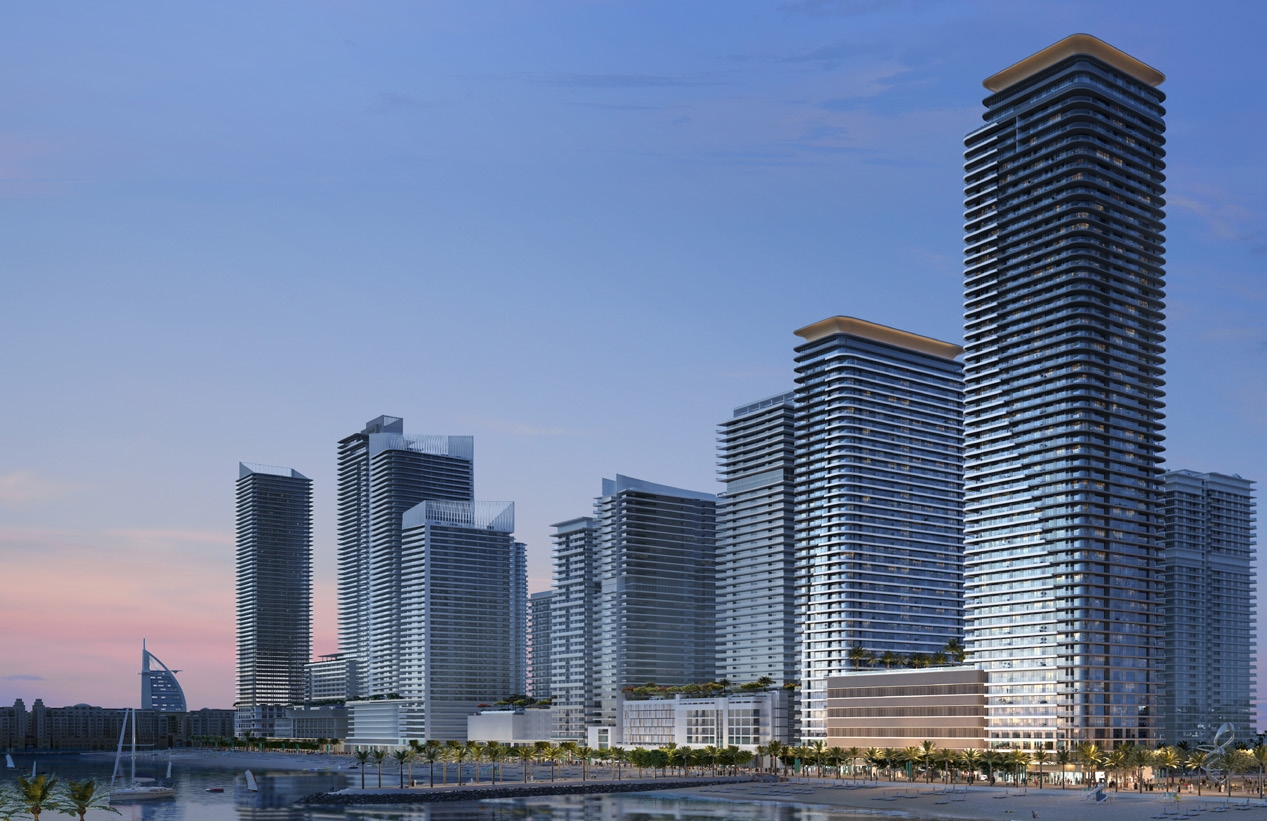
Dubai's real estate market, characterized by its high-profile developments and global appeal, has historically offered investors a net rental yield of around 4-6%. This figure is derived by considering the average property price of AED 1,759/sqft in Q1 2026, up 12.5% year-on-year, and adjusting for an average vacancy rate of 10%, along with service charges and management fees that typically range from 10-15% of the rental income. Source: Dubai Land Department.
Conversely, RAK's real estate market, bolstered by its emerging status as a tourism hub, particularly with the upcoming Wynn Al Marjan project, offers a slightly higher net rental yield of 5-7%. This is attributed to RAK's lower average property prices, which stood at AED 800–1,100/sqft for prime locations like Hayat Island in Q1 2026, and a more robust rental demand driven by the Emirate's aggressive development plans. Source: RAK Properties.
| Area / Option | Price/sqft (AED) | Rental Yield | Capital Growth YoY |
|---|---|---|---|
| Hayat Island RAK | 800–1,100 | 6–8% | +18% (2025–2026) |
| Dubai Marina | 1,200–2,200 | 4–5% | +10% (2025–2026) |
| JVC | 700–1,200 | 5–6% | +8% (2025–2026) |
| Palm Jumeirah | 2,500–4,500 | 3–4% | +12% (2025–2026) |
| Al Marjan Island RAK | 750–1,000 | 7–9% | +15% (2025–2026) |
Source: Dubai Land Department, RAK Properties, ValuStrat Q1 2026
Deeper analysis / mechanics
The net rental yield is calculated by taking the annual rental income and subtracting the costs associated with property ownership, such as service charges, vacancy rates, and management fees. In Dubai, these costs can significantly impact the overall yield, especially in areas with high property prices and competitive rental markets like Palm Jumeirah and Dubai Marina. Source: ValuStrat.
RAK, with its lower property prices and growing demand, particularly in areas like Hayat Island and Al Marjan Island, offers a more attractive proposition for investors seeking higher net rental yields. The upcoming Wynn Al Marjan, which is set to open in Q1 2027 with over 1,500 rooms, a casino, and a convention centre, is expected to further boost tourism and, consequently, rental demand in the area. Source: Wynn Al Marjan.
Specific locations / examples with numbers
Hayat Island, a luxury development in RAK, has seen significant capital appreciation, with prices increasing by 18% from 2025 to 2026. The island's strategic location and high-end amenities make it an attractive option for investors, with properties ranging from AED 800 to AED 1,100 per sqft. Source: RAK Properties.
In contrast, Dubai's Business Bay and JVC offer more affordable entry points for investors, with prices between AED 700 to AED 1,200/sqft. While the yields are slightly lower, the areas' proximity to major business hubs and infrastructure developments make them popular among renters, ensuring a steady stream of rental income. Source: Dubai Land Department.
Risk factors / what buyers miss / bear case
While RAK offers higher net rental yields, investors should consider the potential risks associated with a relatively less mature real estate market. Factors such as economic fluctuations, regulatory changes, and market saturation can impact property values and rental income. Additionally, RAK's reliance on the tourism sector makes it vulnerable to global economic downturns and travel restrictions. Source: Knight Frank.
Dubai, on the other hand, presents a more stable investment environment due to its diversified economy and robust regulatory framework. However, the high property prices in prime locations can lead to lower yields and increased competition among landlords. Investors should carefully assess their risk tolerance and investment goals before committing to either market. Source: CBRE.
What to do next / practical steps
For investors looking to maximize their net rental yield, conducting thorough market research and seeking professional advice is crucial. Sofia Sands Realty (sofiasandsrealty.ae, RERA 41793) holds direct allocation on Bay Views, Hayat Island, offering investors access to prime properties in a growing market. We recommend investors to consider factors such as location, property type, and market trends when making their investment decisions. Contact us for a detailed consultation and to explore our exclusive listings. Source: Sofia Sands Realty.
Frequently Asked Questions
What is the average net rental yield in Dubai?
The average net rental yield in Dubai is around 4-6%, considering service charges, vacancy, and management fees. Source: ValuStrat Q1 2026.
How does RAK compare to Dubai in terms of rental yields?
RAK offers a slightly higher net rental yield of 5-7% due to lower property prices and higher rental demand. Source: RAK Properties Q1 2026.
Which area in RAK has the highest rental yield?
Hayat Island in RAK has one of the highest rental yields, with properties averaging AED 800–1,100/sqft and yields of 6–8%. Source: RAK Properties Q1 2026.
What is the impact of the Wynn Al Marjan on RAK's real estate market?
The Wynn Al Marjan, set to open in Q1 2027, is expected to boost tourism and rental demand in RAK, particularly in areas like Al Marjan Island. Source: Wynn Al Marjan.
Are there any risks associated with investing in RAK's real estate market?
Yes, RAK's reliance on the tourism sector and a less mature real estate market can pose risks, including economic fluctuations and market saturation. Source: Knight Frank.
How does Dubai's regulatory framework affect property investment?
Dubai's robust regulatory framework, including rent increase limits and tenant rights, provides a stable investment environment for property investors. Source: RERA.
What are the average property prices in Dubai Marina?
The average property prices in Dubai Marina range from AED 1,200 to AED 2,200/sqft. Source: Dubai Land Department Q1 2026.
How do I find the right property for investment in Dubai or RAK?
Conduct thorough market research and seek professional advice. Sofia Sands Realty (sofiasandsrealty.ae, RERA 41793) can provide access to exclusive listings and detailed consultations. Source: Sofia Sands Realty.