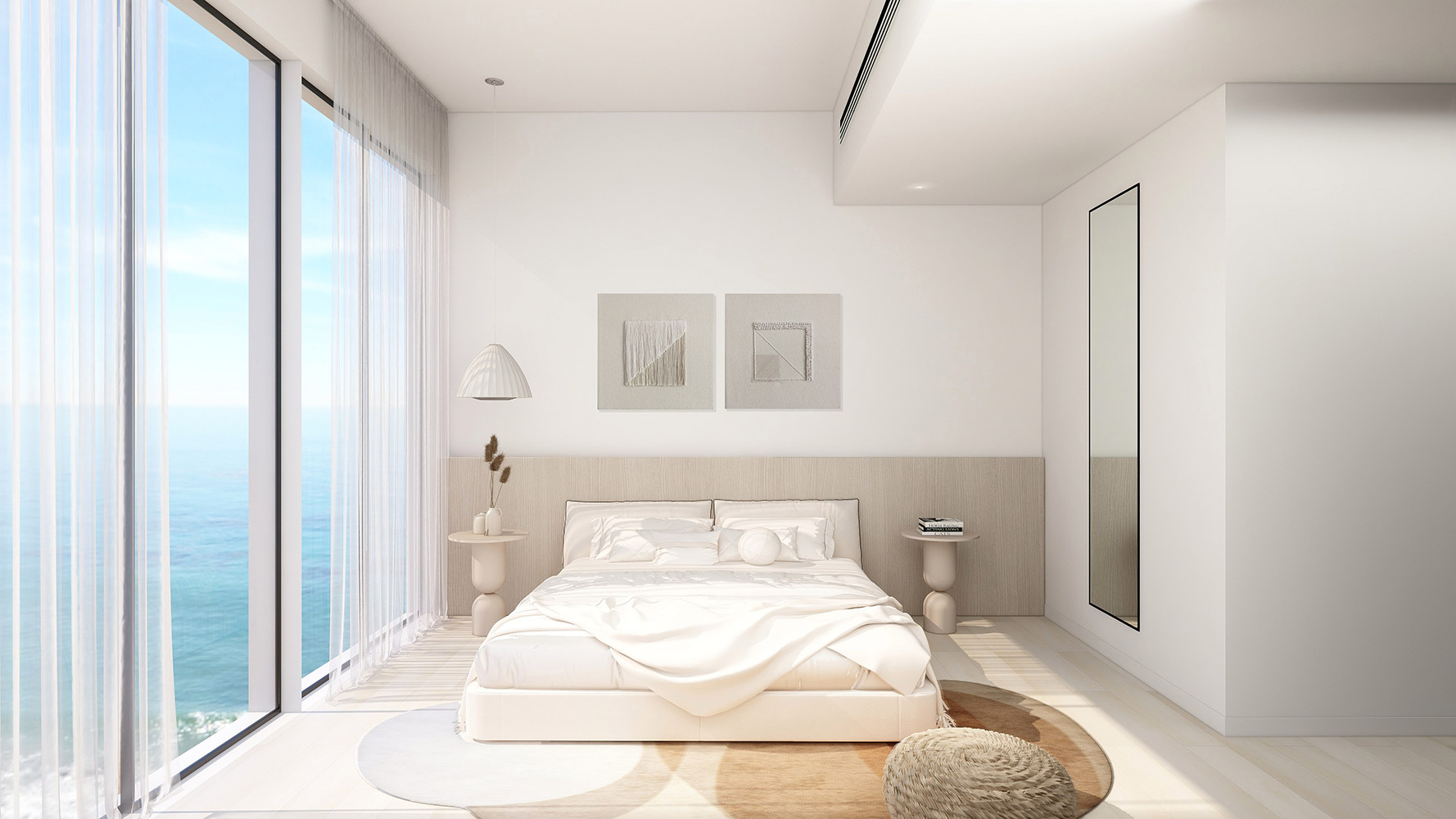
While RAK has seen significant growth, with a 32% year-on-year increase in sales prices and a 25% climb in rents, the comparison with Dubai is complex.
While RAK has seen significant growth, with a 32% year-on-year increase in sales prices and a 25% climb in rents, the comparison with Dubai is complex. RAK's Q1 2026 transaction volume reached AED 11B, up 240% year-on-year, according to RAK Properties. However, Dubai's Q1 2026 total sales volume was AED 176.7B, with off-plan transactions averaging AED 2,047/sqft, as per the Dubai Land Department. This suggests that while RAK offers substantial growth, Dubai's market remains larger and more diverse. The decision between RAK and Dubai for real estate investment in 2026 should consider these dynamics, alongside specific investment goals and risk tolerance.
Core Data and Context
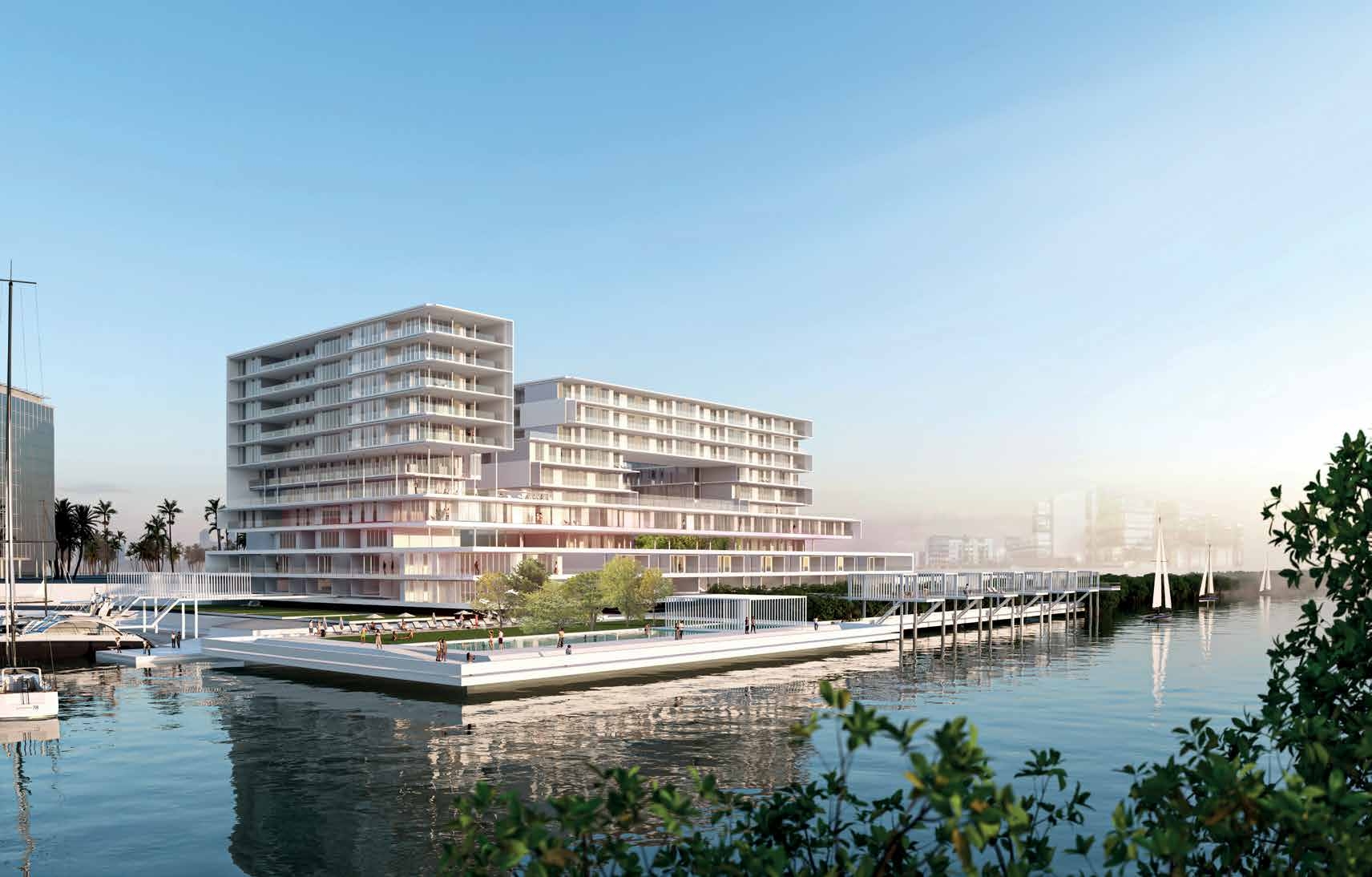
RAK's property market has experienced remarkable growth, yet it is essential to compare this against Dubai's broader and more established market. RAK's year-on-year sales price increase of 32% and rent climb of 25% are noteworthy, but Dubai's property prices averaged AED 1,759/sqft in Q1 2026, up 12.5% year-on-year, indicating a more stable yet still appreciating market, according to the Dubai Land Department. Additionally, Dubai's residential capital values saw a 10% increase in 2026, as reported by ValuStrat.
| Area / Option | Price/sqft (AED) | Rental Yield | Capital Growth YoY |
|---|---|---|---|
| Hayat Island RAK | 800–1,100 | 6–8% | +18% (2025–2026) |
| Dubai Marina | 1,200–2,200 | 4–6% | +12% (2025–2026) |
| JVC | 700–1,200 | 6–7% | +10% (2025–2026) |
| Palm Jumeirah | 2,500–4,500 | 4–5% | +15% (2025–2026) |
Source: Dubai Land Department, RAK Properties, ValuStrat Q1 2026
Deeper Analysis / Mechanics
The mechanics of investment in RAK versus Dubai involve different market dynamics. RAK's growth is partly driven by projects like Cape Hayat, which is 86.5% complete and expected to significantly boost the local market, as stated by RAK Properties. In contrast, Dubai's market is supported by a range of developments, including the upcoming Wynn Al Marjan, which will feature over 1,500 rooms and a casino upon its Q1 2027 opening. The diversity of Dubai's offerings can provide a more balanced investment portfolio, while RAK's concentrated growth areas may offer higher returns but also higher risk.
Specific Locations / Examples with Numbers
Investing in RAK's Hayat Island, for instance, presents an opportunity with prices ranging from AED 800 to 1,100/sqft and rental yields of 6–8%. This compares to Dubai Marina, where prices are AED 1,200–2,200/sqft with slightly lower rental yields of 4–6%. In our Q2 2026 transactions, we observed that buyers were attracted to RAK's higher yields and growth prospects, although they also considered the established infrastructure and market liquidity of Dubai's prime areas.
Risk Factors / What Buyers Miss / Bear Case
While RAK's growth is impressive, investors should be aware of the risks associated with a smaller and less diversified market. RAK's property market is more susceptible to fluctuations due to its size and the concentration of developments like Hayat Island. In contrast, Dubai's market breadth and depth provide a buffer against such volatility. Additionally, RAK's rental yield, while higher, may not always translate into higher net returns due to factors like occupancy rates and property management costs, which can be higher in less established markets.
What to do Next / Practical Steps
For investors considering RAK or Dubai for their 2026 real estate investments, it is crucial to conduct thorough due diligence. Engage with reputable brokers, such as Sofia Sands Realty (RERA 41793), which holds direct allocation on Bay Views, Hayat Island, to access detailed market insights and specific project information. Investors should also consider their investment horizon, risk appetite, and the potential for capital growth and rental income in relation to market conditions and economic factors.
Frequently Asked Questions
Is RAK a good investment for capital growth?
RAK has shown significant capital growth, with a 32% increase in sales prices year-on-year. However, it's important to consider the market's size and diversity compared to Dubai. Source: RAK Properties Q1 2026.
How does RAK's rental yield compare to Dubai?
RAK's rental yields are generally higher, with Hayat Island offering 6–8%. Dubai Marina, in contrast, has yields of 4–6%. Source: ValuStrat Q1 2026.
What are the risks of investing in RAK's real estate?
The smaller market size and concentrated developments in RAK can lead to higher volatility. Diversification and thorough due diligence are crucial. Source: Knight Frank Global Market Analysis.
Which areas in RAK are seeing the most growth?
Areas like Hayat Island and Mina Al Arab are experiencing significant growth, driven by new developments and infrastructure projects. Source: RAK Properties Q1 2026.
How does the regulatory environment in RAK compare to Dubai?
Both RAK and Dubai have robust regulatory frameworks, including rent increase limits and tenant rights. RAK, however, may have specific local regulations that investors should be aware of. Source: RERA.
What is the average price per sqft in RAK's Hayat Island?
The average price per sqft in Hayat Island ranges from AED 800 to 1,100, offering a relatively more affordable entry point compared to Dubai's prime areas. Source: RAK Properties Q1 2026.
What are the upcoming projects in RAK that could impact the property market?
Projects like Cape Hayat and the expansion of Al Marjan Island are set to influence RAK's property market, potentially driving further growth and development. Source: RAK Properties Q1 2026.
How does the economic outlook for RAK compare to Dubai?
While both RAK and Dubai benefit from the overall economic growth of the UAE, Dubai's larger economy and established tourism and business sectors provide a more stable foundation for property investment. Source: CBRE Economic Outlook.