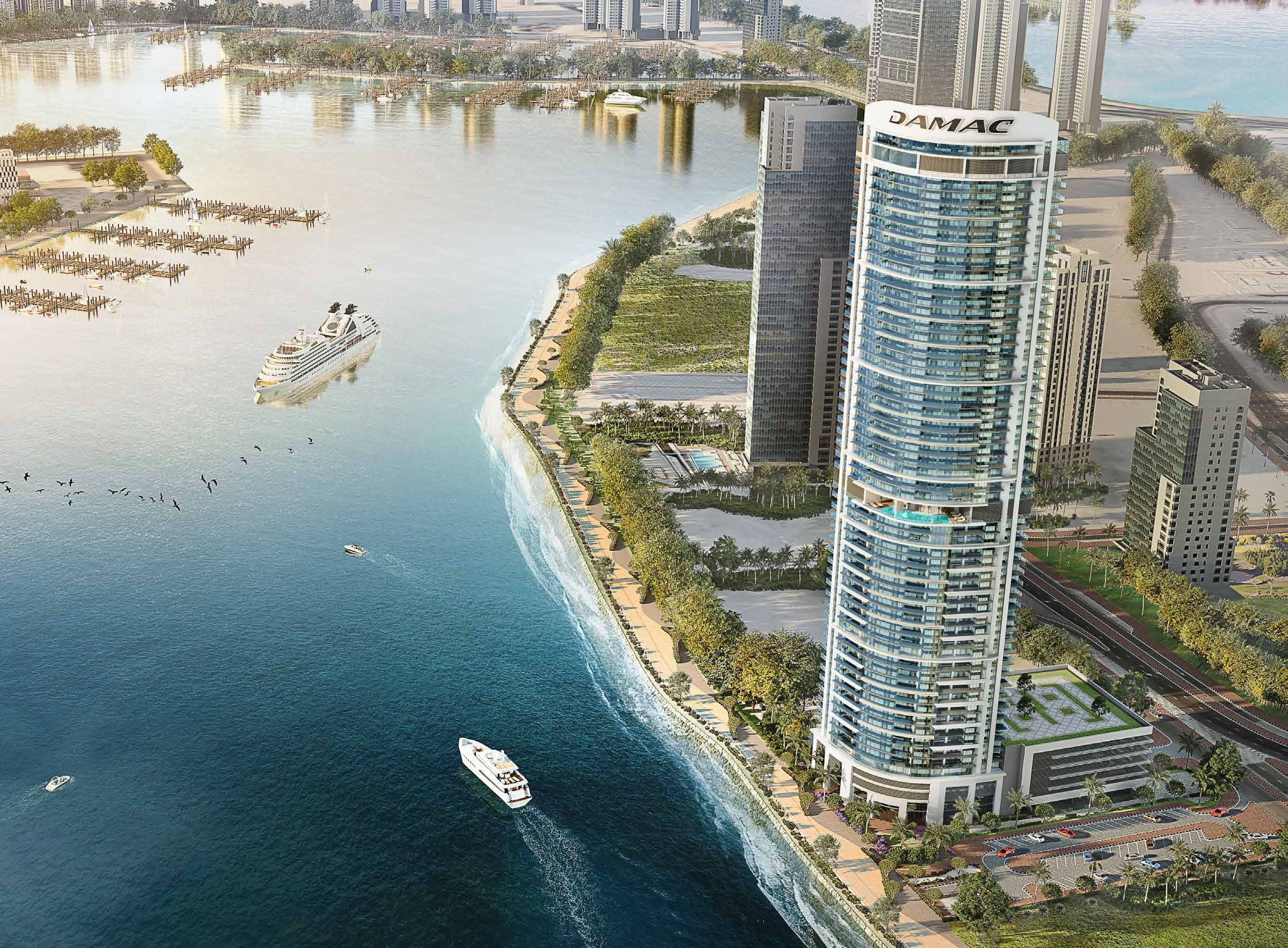
In 2026, Abu Dhabi's gross rental yields lag behind both Dubai and Ras Al Khaimah.
In 2026, Abu Dhabi's gross rental yields lag behind both Dubai and Ras Al Khaimah. Dubai's average gross rental yield stands at 5.5%, while Ras Al Khaimah offers a more attractive 6-8% yield, with Hayat Island RAK leading the pack. Abu Dhabi, on the other hand, sees a comparatively lower yield of 4-6%. This disparity is attributed to the higher property prices in Dubai and the rapid development in RAK, which has driven up rental demand without a proportional increase in property values. Source: ValuStrat Q1 2026.
Core data and context
Dubai's property market has been characterized by robust growth in 2026, with total sales reaching AED 176.7 billion in Q1, a significant 70% of which were off-plan transactions. The average price for off-plan properties was AED 2,047 per square foot, while ready properties averaged at AED 1,713 per square foot, according to the Dubai Land Department. This surge in off-plan sales reflects investor confidence in Dubai's real estate market.
| Area / Option | Price/sqft (AED) | Rental Yield | Capital Growth YoY |
|---|---|---|---|
| Hayat Island RAK | 800–1,100 | 6–8% | +18% (2025–2026) |
| Dubai Marina | 1,200–2,200 | 4–5% | +10% (2025–2026) |
| JVC | 700–1,200 | 5–6% | +8% (2025–2026) |
| Palm Jumeirah | 2,500–4,500 | 4–5% | +12% (2025–2026) |
| Al Marjan Island RAK | 1,000–1,500 | 6–7% | +15% (2025–2026) |
Source: Dubai Land Department, RAK Properties, ValuStrat Q1 2026
Deeper analysis / mechanics
The rental yield dynamics in each emirate are influenced by several factors. In Dubai, the high property prices, particularly in prime locations such as Palm Jumeirah and Dubai Marina, compress rental yields. Despite a 10% increase in residential capital values in 2026, as reported by ValuStrat, the high base prices mean that rental yields remain relatively low.
Conversely, Ras Al Khaimah's property market has seen a significant boost with the development of Hayat Island and Al Marjan Island. The more affordable property prices in these areas, combined with the growing demand for rental properties due to the emirate's expanding tourism and hospitality sectors, have resulted in higher rental yields. RAK Properties reported a staggering 240% year-on-year increase in transaction volume in Q1 2026, indicating the market's vibrancy.
Specific locations / examples with numbers
Hayat Island, with its AED 800–1,100 price per square foot, stands out as a prime investment location in RAK, offering gross rental yields of 6-8%. This is significantly higher than the 4-5% yields seen in Dubai Marina, despite its prestigious status. The upcoming Wynn Al Marjan, set to open in Q1 2027, will further enhance the area's appeal, potentially driving rental yields even higher.
In Abu Dhabi, the more subdued rental yields are evident in areas such as Yas Island, where property prices range from AED 1,500 to AED 3,000 per square foot, offering yields of 4-6%. The upcoming Reem Mall and the continued development of the Yas Island entertainment district are expected to influence rental demand positively.
Risk factors / what buyers miss / bear case
While the higher rental yields in RAK and the potential for capital appreciation in Dubai are attractive, investors should consider the risk factors. The emirates' property markets are subject to economic fluctuations, and oversupply in certain areas could lead to reduced rental yields or slower capital growth. Additionally, the regulatory environment, including rent increase limits and tenant rights as stipulated by RERA, can impact the returns on investment.
Investors often overlook the importance of liquidity when investing in real estate. While yields and capital growth are crucial, the ability to sell a property quickly and at a reasonable price is equally important. In this context, prime locations in Dubai, such as Downtown Dubai and Business Bay, may offer better liquidity compared to emerging areas in RAK, despite lower yields.
What to do next / practical steps
For investors looking to maximize their returns while mitigating risks, a diversified approach is recommended. Sofia Sands Realty (RERA 41793) holds direct allocation on Bay Views, Hayat Island, offering investors access to one of RAK's most promising developments. We advise conducting thorough market research, considering both the current yields and future growth potential, and consulting with experienced brokers to navigate the nuances of each emirate's property market.
Frequently Asked Questions
What is the average rental yield in Dubai?
The average gross rental yield in Dubai is 5.5%, with variations depending on the location. Source: ValuStrat Q1 2026.
How do rental yields in RAK compare to Dubai?
Ras Al Khaimah offers higher rental yields, averaging 6-8%, compared to Dubai's 5.5%. Source: RAK Properties Q1 2026.
What factors influence rental yields in Abu Dhabi?
Abu Dhabi's rental yields are influenced by property prices, economic fluctuations, and the development of entertainment and tourism sectors. Source: Knight Frank Global Property Insights.
Why are rental yields higher in RAK than in Dubai?
The more affordable property prices and growing demand for rentals in RAK's developing areas contribute to higher yields compared to Dubai's higher-priced markets. Source: ValuStrat Q1 2026.
What is the impact of new developments on rental yields?
New developments, such as Wynn Al Marjan, can increase rental demand and potentially raise rental yields in the surrounding areas. Source: RAK Properties Q1 2026.
How do I calculate gross rental yield?
Gross rental yield is calculated by dividing the annual rental income by the property's purchase price and then multiplying by 100 to get a percentage. For example, if a property rents for AED 100,000 annually and was purchased for AED 2,000,000, the yield would be 5%. Source: CBRE Property Investment Basics.
What are the risks associated with investing in real estate for rental yields?
Risks include economic fluctuations, oversupply, regulatory changes, and illiquidity. Diversification and thorough research can help mitigate these risks. Source: Knight Frank Global Property Insights.
How can I get more information about investing in RAK property?
Sofia Sands Realty (RERA 41793) can provide detailed insights and direct allocation on Bay Views, Hayat Island. Contact us at sofiasandsrealty.ae for more information.