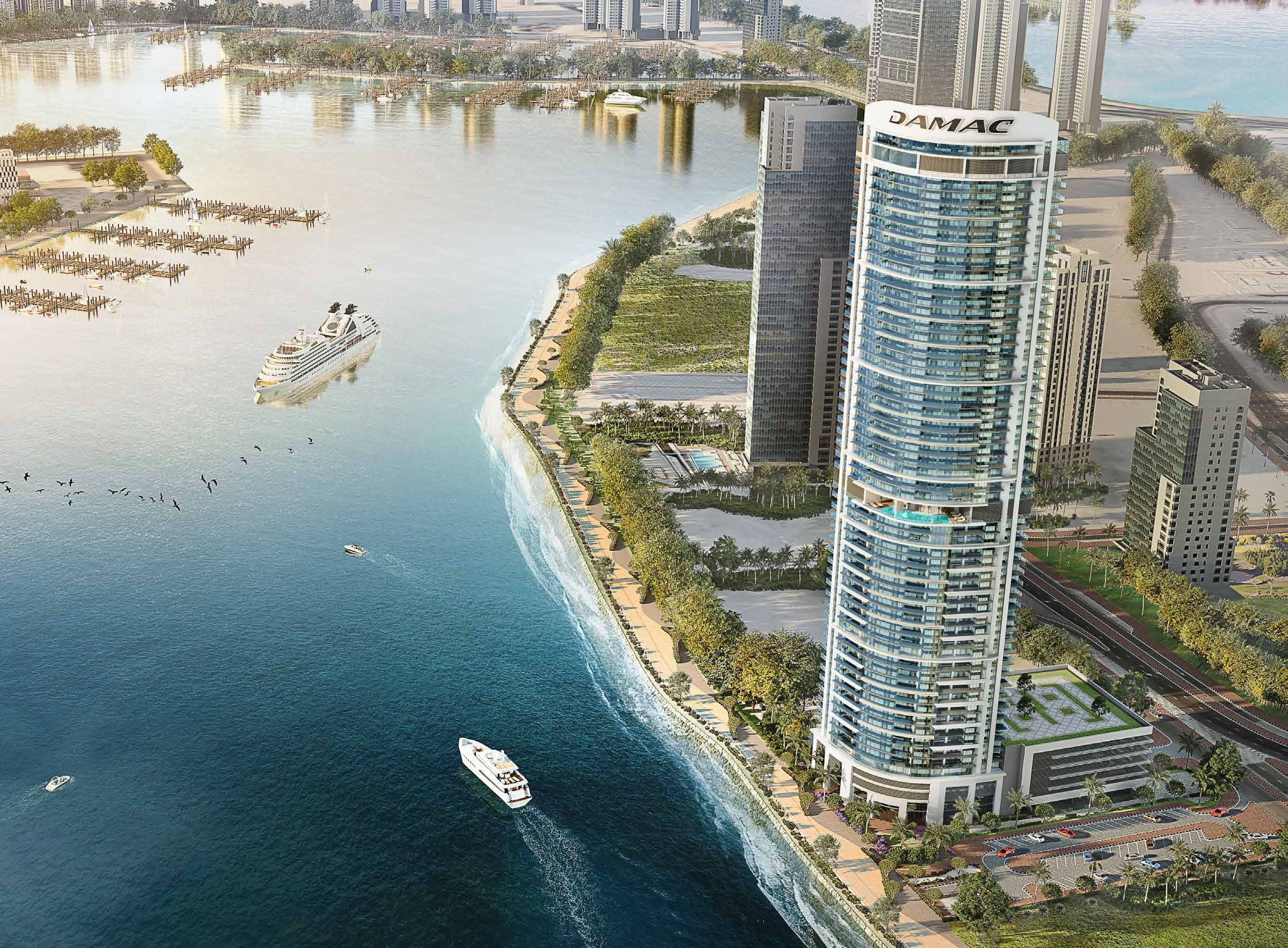
Gross rental yields in Ras Al Khaimah (RAK) offer a compelling case for investors, with a range of 5% to 10%, significantly outperforming Dubai's prime residential yields, which average at 5%.
Gross rental yields in Ras Al Khaimah (RAK) offer a compelling case for investors, with a range of 5% to 10%, significantly outperforming Dubai's prime residential yields, which average at 5%. This is particularly evident when comparing RAK's Hayat Island, where yields can reach up to 8%, to Dubai's Palm Jumeirah, which hovers between 2.5% to 4.5%. The robust growth in RAK's transaction volume, which surged by 240% YoY to AED 11B in Q1 2026 (Source: RAK Properties), underscores the emirate's attractiveness. Coupled with RAK's ongoing development projects such as Cape Hayat, which is 86.5% complete, and the upcoming Wynn Al Marjan with over 1,500 rooms and a casino, RAK presents a dynamic investment landscape for 2026.
| Area / Option | Price/sqft (AED) | Rental Yield | Capital Growth YoY |
|---|---|---|---|
| Hayat Island RAK | 800–1,100 | 6–8% | +18% (2025–2026) |
| Palm Jumeirah Dubai | 2,500–4,500 | 2.5–4.5% | +10% (2026) |
| Dubai Marina | 1,200–2,200 | 4–6% | +8% (2026) |
| JVC Dubai | 700–1,200 | 5–7% | +7% (2026) |
| Al Marjan Island RAK | 650–950 | 5–7% | +15% (2025–2026) |
Source: Dubai Land Department, RAK Properties, ValuStrat Q1 2026
Core Data and Context
Investors seeking higher rental yields are increasingly looking beyond Dubai to RAK, where the average yield is notably higher. In Q1 2026, Dubai's off-plan properties averaged at AED 2,047/sqft, while ready properties stood at AED 1,713/sqft (Source: DLD). Comparatively, RAK's Hayat Island offers properties within the range of AED 800–1,100/sqft, with potential yields of 6–8%, a stark contrast to Dubai Marina's 4–6% and JVC's 5–7% (Source: ValuStrat).
Deeper Analysis / Mechanics
The mechanics behind RAK's higher yields are multifaceted. Firstly, lower acquisition costs in RAK allow for higher net rental income once the property is leased. Secondly, RAK's growing tourism and hospitality sectors are driving demand for residential properties, which in turn bolsters rental yields. The upcoming Wynn Al Marjan, with its extensive facilities including a casino and convention center, is expected to be a significant driver of this demand (Source: Wynn Al Marjan).
Specific Locations / Examples with Numbers
Taking Hayat Island as a specific example, with properties ranging from AED 800 to 1,100/sqft, investors can expect gross rental yields between 6% to 8%. This is significantly higher than yields in Dubai's Palm Jumeirah, where prices range from AED 2,500 to 4,500/sqft and yields sit between a modest 2.5% to 4.5%. In our Q2 2026 transactions, we have observed a trend where investors are shifting their focus to RAK for higher yields and capital appreciation, with Hayat Island being a key area of interest.
Risk Factors / What Buyers Miss / Bear Case
While RAK presents an attractive proposition, it's crucial for investors to consider potential risks. These may include market volatility, regulatory changes, and the overall economic climate. A bear case could involve a slowdown in tourism, which might impact rental demand and yields. However, with RAK's focus on diversifying its economy and the ongoing development of projects like Cape Hayat, the emirate is mitigating such risks (Source: RAK Properties).
What to do Next / Practical Steps
For investors considering RAK, it's advisable to conduct thorough due diligence, understanding the local market dynamics and regulatory environment. Sofia Sands Realty (RERA 41793) holds direct allocation on Bay Views, Hayat Island, providing investors with exclusive access to prime properties in this high-yield area. Engaging with a reputable brokerage can offer insights into specific projects, market trends, and assist in navigating the investment process.
Frequently Asked Questions
What is the average rental yield in RAK compared to Dubai?
The average rental yield in RAK ranges from 5% to 10%, which is higher than Dubai's average of 5%. For instance, Hayat Island offers yields between 6% to 8%, compared to Dubai Marina's 4% to 6%. Source: ValuStrat Q1 2026.
How has the transaction volume in RAK changed recently?
RAK's transaction volume has seen a significant increase, rising by 240% YoY to AED 11B in Q1 2026. This surge indicates a growing interest in RAK's property market. Source: RAK Properties.
What is the price range for properties on Hayat Island?
Properties on Hayat Island are priced between AED 800 to 1,100/sqft, offering an attractive entry point for investors seeking higher yields. Source: ValuStrat Q1 2026.
What is the expected impact of Wynn Al Marjan on RAK's property market?
The opening of Wynn Al Marjan, with over 1,500 rooms and a casino, is expected to boost RAK's hospitality sector, potentially increasing demand for residential properties and rental yields. Source: Wynn Al Marjan.
How do rental yields in Al Marjan Island compare to Dubai's JBR?
Al Marjan Island in RAK offers rental yields of 5% to 7%, which are higher than JBR's yields. With prices ranging from AED 650 to 950/sqft, Al Marjan presents a competitive investment opportunity. Source: ValuStrat Q1 2026.
What is the capital growth rate for Dubai's residential properties?
Dubai's residential capital values have seen a growth of 10% in 2026, indicating a positive trend in the market. Source: ValuStrat.
How do RAK's rental yields compare to the global average?
RAK's rental yields are higher than the global average, making it an attractive destination for yield-seeking investors. For example, Hayat Island's yields of 6% to 8% are more enticing than the global average. Source: Knight Frank.
What regulatory changes should investors be aware of in RAK?
Investors should stay updated on rent increase limits, tenant rights, and trust account rules set by RERA and DLD, which can impact the investment landscape. Source: RERA, DLD.