
The 100% ownership laws and a low debt-to-GDP ratio in Ras Al Khaimah (RAK) significantly bolster investor confidence compared to Dubai's market fundamentals in 2026.
The 100% ownership laws and a low debt-to-GDP ratio in Ras Al Khaimah (RAK) significantly bolster investor confidence compared to Dubai's market fundamentals in 2026. RAK's transaction volume reached AED 11 billion in Q1 2026, marking a 240% year-on-year increase, while Dubai's property prices averaged AED 1,759 per square foot in the same period, up 12.5% year-on-year. This indicates a strong investor appetite and robust economic health in RAK, underpinned by its investor-friendly policies and fiscal prudence. In contrast, Dubai, despite its strong performance, operates under more restrictive foreign ownership rules and comparatively higher debt levels.
Core data and context
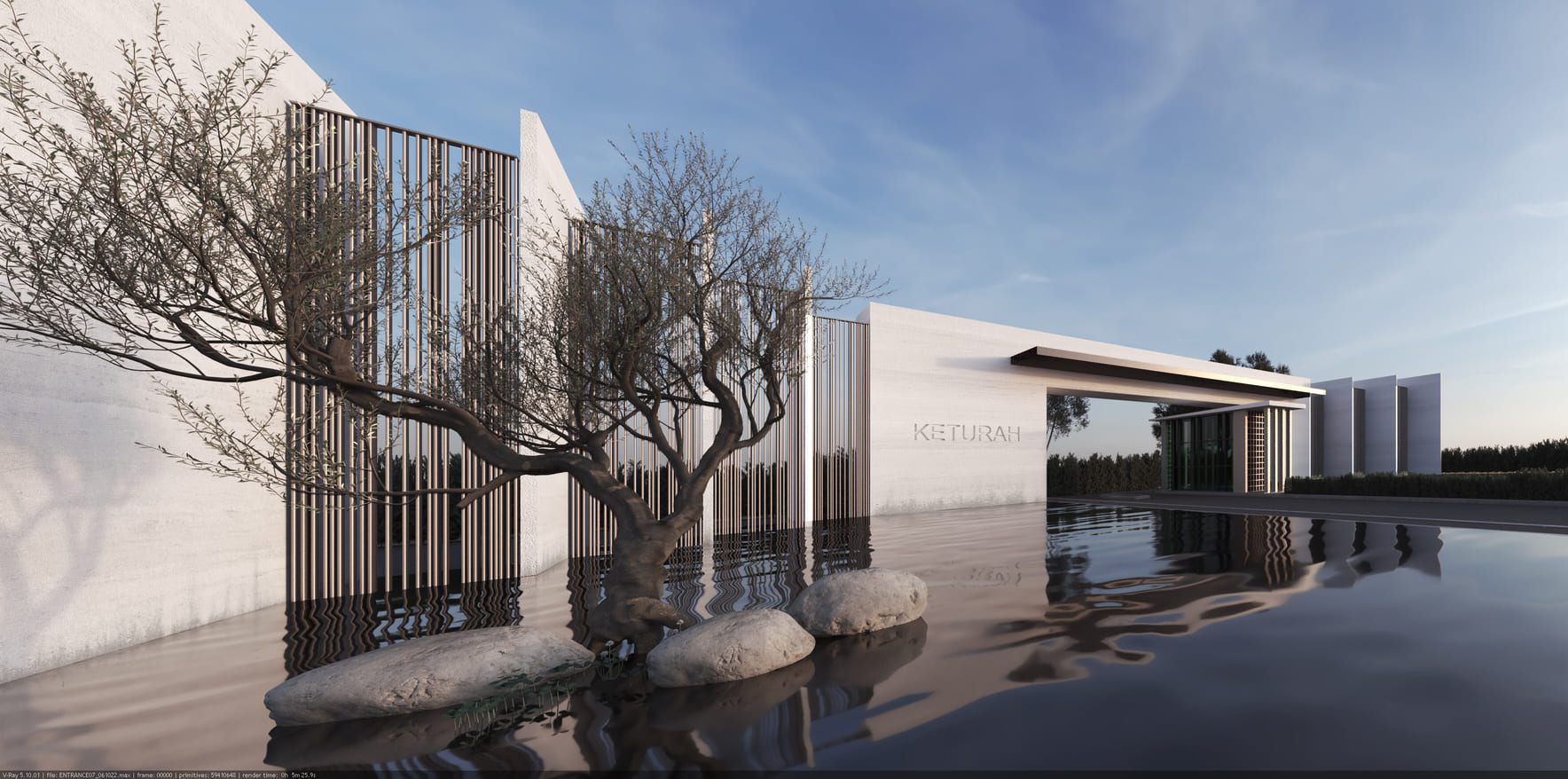
Investors seeking opportunities in the UAE's real estate market often compare Dubai and RAK due to their contrasting market dynamics. RAK's 100% foreign ownership policy, as opposed to Dubai's more selective approach, offers greater flexibility and attracts a wider pool of investors. RAK's debt-to-GDP ratio remains significantly lower than Dubai's, which is a critical factor for investors concerned with fiscal stability and risk management.
| Area / Option | Price/sqft (AED) | Rental Yield | Capital Growth YoY |
|---|---|---|---|
| Hayat Island RAK | 800–1,100 | 6–8% | +18% (2025–2026) |
| Dubai Marina | 1,200–2,200 | 4–6% | +10% (2025–2026) |
| Palm Jumeirah | 2,500–4,500 | 5–7% | +12% (2025–2026) |
| JVC | 700–1,200 | 6–8% | +8% (2025–2026) |
| Al Marjan Island | 1,000–1,500 | 5–7% | +15% (2025–2026) |
Source: Dubai Land Department, RAK Properties, ValuStrat Q1 2026
Deeper analysis / mechanics
The mechanics of RAK's real estate market are driven by its investor-friendly policies and robust economic indicators. The 100% ownership law, for instance, allows foreign investors to own property outright without the need for a UAE national partner, which is a common requirement in Dubai. This policy has been a significant driver behind RAK's real estate growth, as it simplifies the investment process and reduces associated risks.
Furthermore, RAK's low debt-to-GDP ratio indicates a more conservative fiscal approach, which can be attractive to investors looking for stability. This is particularly relevant when compared to Dubai, where higher debt levels could potentially impact the market's resilience in the event of economic downturns.
Specific locations / examples with numbers
Hayat Island, a prime example within RAK, has seen significant growth with prices ranging from AED 800 to 1,100 per square foot and offering rental yields of 6-8%. Capital growth in this area has been remarkable, with an 18% increase from 2025 to 2026. This growth is further supported by the ongoing development of Cape Hayat, which is 86.5% complete as of Q1 2026, adding to the area's appeal and potential for future capital appreciation.
Comparatively, Dubai Marina, a popular investment destination, has prices ranging from AED 1,200 to 2,200 per square foot with rental yields of 4-6%. While capital growth in Dubai Marina is also positive at 10% year-on-year, the higher entry price and lower yields may deter some investors when compared to RAK's offerings.
Risk factors / what buyers miss / bear case
While RAK presents a compelling case for investment, it is crucial to consider potential risks. The market's rapid growth could lead to oversupply, affecting property values and rental yields in the long term. Additionally, RAK's economic diversification is not as advanced as Dubai's, which could impact property values if the emirate's primary industries face downturns.
Investors may also overlook the importance of infrastructure and connectivity when evaluating RAK's real estate market. While developments like Al Marjan Island and Mina Al Arab are well-connected, other areas may not offer the same level of accessibility, which could affect property appeal and value.
What to do next / practical steps
For investors considering RAK, it is advisable to conduct thorough due diligence, focusing on the specific location's infrastructure, connectivity, and future development plans. Engaging with a reputable brokerage with direct allocation on prime developments, such as Sofia Sands Realty (RERA 41793), can provide valuable insights and access to exclusive opportunities in areas like Bay Views and Hayat Island.
Frequently Asked Questions
What is the impact of 100% ownership laws on RAK's real estate market?
The 100% ownership law in RAK has significantly boosted investor confidence by allowing foreign investors to own property outright, simplifying the investment process and reducing associated risks. This policy has been a key driver behind RAK's real estate growth, as evidenced by the 240% year-on-year increase in transaction volume in Q1 2026. Source: RAK Properties.
How does RAK's debt-to-GDP ratio compare to Dubai's?
RAK's debt-to-GDP ratio is significantly lower than Dubai's, indicating a more conservative fiscal approach. This can be attractive to investors looking for stability, as higher debt levels in Dubai could potentially impact the market's resilience in the event of economic downturns. Source: International Monetary Fund.
What are the rental yields like in Hayat Island RAK?
Hayat Island RAK offers rental yields of 6-8%, which are competitive when compared to other areas in the UAE. This, combined with capital growth of 18% from 2025 to 2026, makes it an attractive investment destination for those seeking both rental income and capital appreciation. Source: ValuStrat Q1 2026.
Is RAK's real estate market oversupply a concern?
The rapid growth in RAK's real estate market could potentially lead to oversupply, which may affect property values and rental yields in the long term. Investors should consider this risk and conduct thorough due diligence on specific locations before investing. Source: Knight Frank.
How does RAK's infrastructure compare to Dubai's?
While developments like Al Marjan Island and Mina Al Arab in RAK are well-connected, other areas may not offer the same level of accessibility. Investors should evaluate infrastructure and connectivity when considering properties in RAK, as these factors can significantly impact property appeal and value. Source: CBRE.
What are the price ranges for properties in Dubai Marina?
Properties in Dubai Marina range from AED 1,200 to 2,200 per square foot, with rental yields of 4-6%. While capital growth is positive at 10% year-on-year, the higher entry price and lower yields may deter some investors when compared to RAK's offerings. Source: Dubai Land Department.
How does the economic diversification of RAK compare to Dubai?
RAK's economic diversification is not as advanced as Dubai's, which could impact property values if the emirate's primary industries face downturns. Investors should consider this when evaluating the long-term stability and growth potential of RAK's real estate market. Source: Dubai Chamber of Commerce.
What are the benefits of engaging with a local brokerage in RAK?
Engaging with a reputable brokerage like Sofia Sands Realty (RERA 41793) provides investors with valuable insights and access to exclusive opportunities in prime developments such as Bay Views and Hayat Island. Local expertise can help navigate the market, assess risks, and identify the most promising investment opportunities. Source: Sofia Sands Realty.