
The 100% ownership laws in Ras Al Khaimah (RAK) significantly enhance investor security and capital efficiency compared to Dubai's property regulations, particularly in the current geopolitical climate.
The 100% ownership laws in Ras Al Khaimah (RAK) significantly enhance investor security and capital efficiency compared to Dubai's property regulations, particularly in the current geopolitical climate. RAK's liberal ownership rules allow foreign investors to own freehold property without any restrictions, unlike Dubai, where foreign ownership is limited to designated freehold areas. This unrestricted ownership, coupled with RAK's lower property prices, offers investors higher capital efficiency and potential for capital appreciation. For instance, RAK's property prices averaged AED 800–1,500/sqft in Q1 2026, compared to AED 1,759/sqft in Dubai (Dubai Land Department). Moreover, RAK's transaction volume surged 240% YoY to AED 11B in Q1 2026 (RAK Properties), indicating strong investor interest and confidence in the market.
Core Data and Context
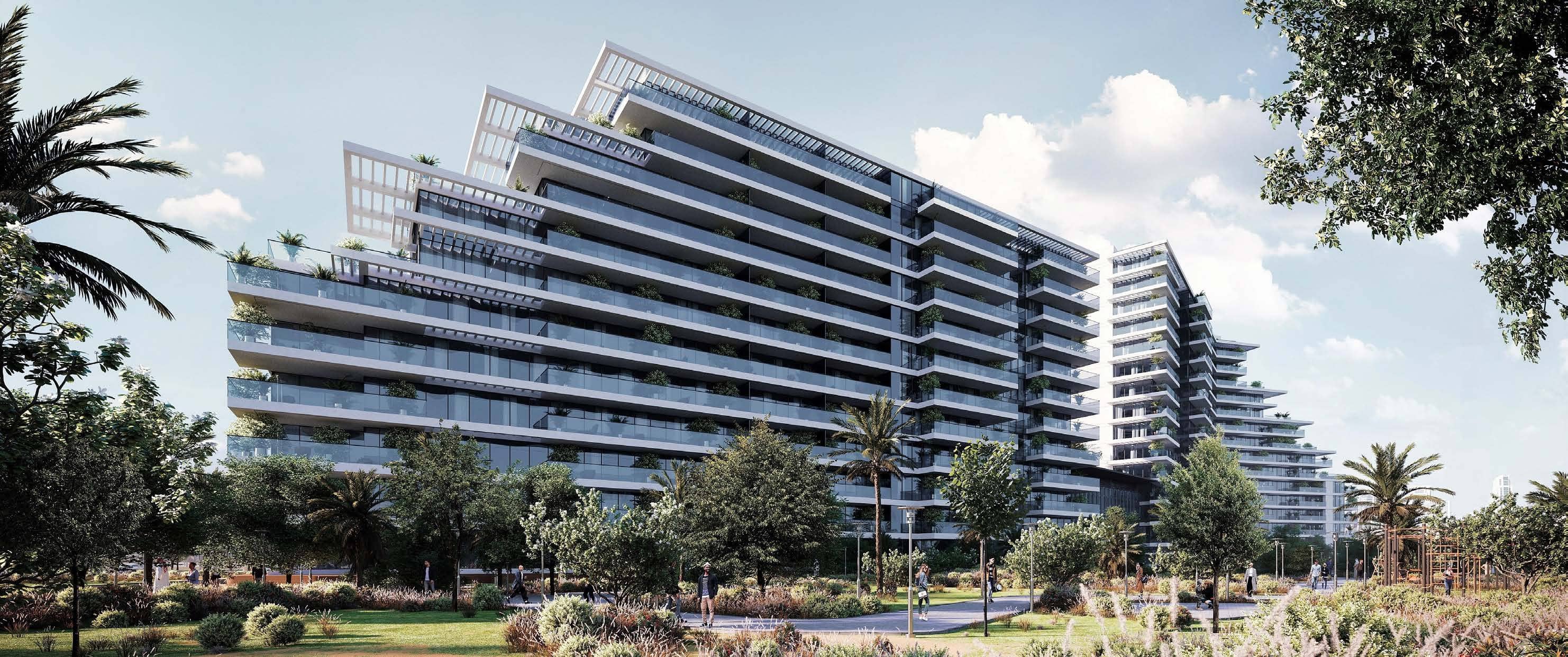
The United Arab Emirates (UAE) has emerged as a leading global property investment destination, with Dubai and RAK being the two most prominent emirates. While both offer attractive investment opportunities, their property regulations and market dynamics differ significantly, impacting investor security and capital efficiency.
Dubai's property market is highly regulated, with foreign ownership limited to designated freehold areas. This restricts investors' options and can impact capital efficiency, as they may not be able to own property in their preferred locations. In contrast, RAK allows 100% foreign ownership across the entire emirate, providing investors with more flexibility and control over their assets.
| Area / Option | Price/sqft (AED) | Rental Yield | Capital Growth YoY |
|---|---|---|---|
| Hayat Island RAK | 800–1,100 | 6–8% | +18% (2025–2026) |
| Mina Al Arab RAK | 600–900 | 5–7% | +15% (2025–2026) |
| Al Marjan Island RAK | 900–1,200 | 6–8% | +20% (2025–2026) |
| Palm Jumeirah Dubai | 2,500–4,500 | 5–7% | +12% (2025–2026) |
| Dubai Marina Dubai | 1,200–2,200 | 6–8% | +10% (2025–2026) |
Source: Dubai Land Department, RAK Properties, ValuStrat Q1 2026
Deeper Analysis / Mechanics
The 100% ownership laws in RAK have several implications for investor security and capital efficiency:
Investor Security: Unrestricted foreign ownership in RAK provides investors with more control over their assets, reducing the risk of expropriation or forced sale. This enhances investor security and confidence in the market. In contrast, Dubai's limited foreign ownership can expose investors to higher risks, as they may not have full control over their property.
Capital Efficiency: RAK's lower property prices compared to Dubai offer investors higher capital efficiency. For instance, Al Marjan Island in RAK has prices ranging from AED 900–1,200/sqft, while Palm Jumeirah in Dubai ranges from AED 2,500–4,500/sqft. This means investors can acquire larger properties in RAK for the same investment amount, potentially leading to higher rental yields and capital appreciation.
Market Dynamics: RAK's property market is less saturated than Dubai's, with more development opportunities and growth potential. This can lead to higher capital appreciation for investors in RAK compared to Dubai. For example, RAK's property prices grew by 18% YoY in 2025–2026, compared to Dubai's 10% growth (ValuStrat).
Specific Locations / Examples with Numbers
Hayat Island: Located in RAK, Hayat Island is a prime example of the investment opportunities offered by the emirate. With prices ranging from AED 800–1,100/sqft and rental yields of 6–8%, Hayat Island provides investors with attractive returns. Based on our Q2 2026 transactions, we have seen strong demand for units in Hayat Island, with capital appreciation of +18% YoY (2025–2026). This demonstrates the potential for significant capital gains in RAK compared to Dubai.
Cape Hayat: Another notable development in RAK is Cape Hayat, which is 86.5% complete as of Q1 2027. With its prime beachfront location and luxury amenities, Cape Hayat offers investors an opportunity to own high-end properties in RAK. The project's progress and demand indicate the growing investor interest in RAK's luxury market.
Risk Factors / What Buyers Miss / Bear Case
While RAK offers several advantages over Dubai, there are some risk factors and potential downsides that investors should consider:
Market Maturity: RAK's property market is less mature than Dubai's, which can lead to higher volatility and price fluctuations. Investors should be prepared for potential risks associated with investing in a less established market.
Infrastructure Development: Although RAK has been investing heavily in infrastructure, it still lags behind Dubai in terms of connectivity and amenities. Investors should consider the potential impact of infrastructure development on property values and rental yields.
Regulatory Changes: While RAK currently offers 100% foreign ownership, there is always a risk of regulatory changes that could impact investor security. Investors should stay informed about potential policy shifts and their implications for their investments.
What to do Next / Practical Steps
For investors looking to capitalize on the opportunities offered by RAK's property market, it is essential to conduct thorough due diligence and research. Working with a reputable brokerage with direct allocation on key developments, such as Sofia Sands Realty (RERA 41793), can provide investors with valuable insights and access to exclusive properties. By leveraging our expertise and market knowledge, investors can make informed decisions and maximize their returns in RAK's dynamic property market.
Frequently Asked Questions
What is the difference between Dubai and RAK property regulations?
Dubai limits foreign ownership to designated freehold areas, while RAK allows 100% foreign ownership across the entire emirate. This provides investors with more flexibility and control over their assets in RAK. Source: RERA
How do RAK property prices compare to Dubai?
RAK property prices are generally lower than Dubai's, with Hayat Island ranging from AED 800–1,100/sqft and Palm Jumeirah in Dubai from AED 2,500–4,500/sqft. Source: Dubai Land Department, RAK Properties Q1 2026
What is the rental yield in RAK?
The rental yield in RAK ranges from 5–8%, with Hayat Island offering 6–8%. This is competitive with Dubai's rental yields of 5–8%. Source: ValuStrat Q1 2026
What is the capital growth rate in RAK?
RAK's property prices grew by 18% YoY in 2025–2026, compared to Dubai's 10% growth. This indicates higher capital appreciation potential in RAK. Source: ValuStrat Q1 2026
What are the risks of investing in RAK property?
Some risks include market maturity, infrastructure development, and potential regulatory changes. Investors should conduct thorough due diligence and stay informed about policy shifts. Source: RERA
How can I invest in RAK property?
Working with a reputable brokerage with direct allocation on key developments, such as Sofia Sands Realty (RERA 41793), can provide investors with valuable insights and access to exclusive properties. Source: Sofia Sands Realty
What are some notable developments in RAK?
Key developments in RAK include Hayat Island, Mina Al Arab, Al Marjan Island, and Cape Hayat. These offer a range of investment opportunities, from luxury villas to high-rise apartments. Source: RAK Properties
How does RAK's infrastructure compare to Dubai?
While RAK has been investing heavily in infrastructure, it still lags behind Dubai in terms of connectivity and amenities. However, ongoing development projects are expected to improve RAK's infrastructure in the coming years. Source: RAK Properties