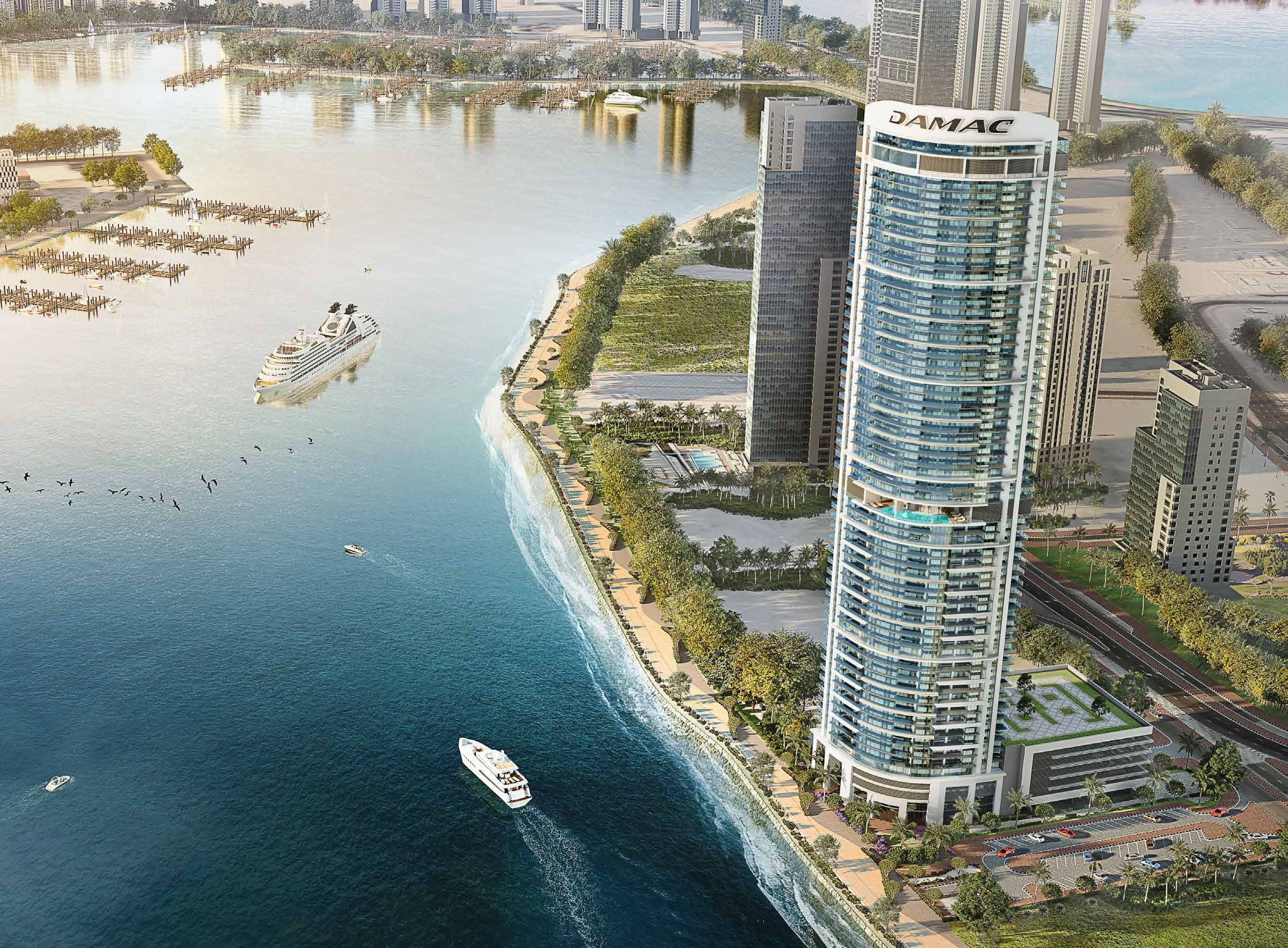
In 2026, Ras Al Khaimah (RAK) offers a lower cost of living and a burgeoning tourism-driven rental market compared to Dubai, presenting a compelling case for foreign investors seeking zero personal income tax.
In 2026, Ras Al Khaimah (RAK) offers a lower cost of living and a burgeoning tourism-driven rental market compared to Dubai, presenting a compelling case for foreign investors seeking zero personal income tax. Dubai property prices averaged AED 1,759/sqft in Q1 2026, up 12.5% year-on-year, while RAK properties saw a transaction volume of AED 11B in Q1 2026, marking a 240% YoY increase (Dubai Land Department, RAK Properties). RAK's more affordable market and rising rental yields position it as an attractive option for foreign investors looking for stability and growth.
Core Data and Context
Dubai and RAK, both in the United Arab Emirates, have distinct property markets with different dynamics. Dubai, known for its luxury and high-rise properties, saw total sales of AED 176.7B in Q1 2026, with off-plan transactions accounting for 70% of the market, averaging AED 2,047/sqft (DLD). In contrast, RAK offers more affordable options, with properties on Hayat Island ranging from AED 800 to AED 1,100/sqft (DLD). RAK's property market is bolstered by significant tourism infrastructure developments, such as the 86.5% completion of Cape Hayat and the upcoming Wynn Al Marjan, set to open in Q1 2027 with over 1,500 rooms and a casino (RAK Properties, Wynn Al Marjan).
| Area / Option | Price/sqft (AED) | Rental Yield | Capital Growth YoY |
|---|---|---|---|
| Hayat Island RAK | 800–1,100 | 6–8% | +18% (2025–2026) |
| Dubai Marina | 1,200–2,200 | 4–6% | +10% (2026) |
| JVC | 700–1,200 | 5–7% | +8% (2025–2026) |
| Palm Jumeirah | 2,500–4,500 | 3–5% | +12% (2025–2026) |
Source: Dubai Land Department, RAK Properties, ValuStrat Q1 2026
Deeper Analysis / Mechanics
The cost of living in RAK is significantly lower than in Dubai, which is a key factor for investors considering rental yields and long-term property value. RAK's strategic location, with easy access to Dubai and its international airport, positions it well for both residents and tourists. The rental market in RAK is driven by a mix of local demand and the growing tourism sector, with properties on Hayat Island offering rental yields of 6–8%, which is higher than the 4–6% seen in Dubai Marina (ValuStrat). Capital growth in RAK has been robust, with a +18% increase from 2025 to 2026, outpacing Dubai's +10% growth in the same period (ValuStrat).
Specific Locations / Examples with Numbers
Investors looking at specific locations within RAK might consider Mina Al Arab, which offers a mix of residential and leisure options, or Al Marjan Island, which is set to benefit from the Wynn Al Marjan development. In comparison, Dubai's Palm Jumeirah and Dubai Marina remain popular with investors due to their established luxury status and high rental demand. However, the higher entry prices in these areas mean that the capital growth and rental yields may not be as attractive as in RAK (DLD, CBRE).
Risk Factors / What Buyers Miss / Bear Case
While RAK presents a compelling case for investment, buyers should be aware of the potential risks. The market is more volatile due to its smaller size and is more sensitive to economic fluctuations. Additionally, the infrastructure and amenities in RAK are not as developed as in Dubai, which could impact property values and rental demand in the long term. Investors should conduct thorough due diligence, considering factors such as property management, tenant rights, and the regulatory environment, including RERA's rent increase limits and trust account rules (RERA, DLD).
What to do Next / Practical Steps
For investors considering the RAK market, it's essential to work with a reputable brokerage with direct allocation on key developments. Sofia Sands Realty (RERA 41793) holds direct allocation on Bay Views, Hayat Island, providing investors with access to prime properties in a growing market. Our experience in Q2 2026 transactions has shown that RAK offers a unique opportunity for those seeking a balance between affordability, rental demand, and capital growth in a market with zero personal income tax.
Frequently Asked Questions
What is the average property price in RAK compared to Dubai?
RAK properties are more affordable, with Hayat Island averaging AED 800–1,100/sqft, compared to Dubai's AED 1,759/sqft average in Q1 2026 (DLD).
How does the rental yield in RAK compare to Dubai?
Rental yields in RAK are higher, with 6–8% on Hayat Island, compared to Dubai Marina's 4–6% (ValuStrat).
What is the capital growth rate for properties in RAK?
RAK saw a capital growth rate of +18% from 2025 to 2026, outpacing Dubai's +10% growth in the same period (ValuStrat).
Is there zero personal income tax in both Dubai and RAK?
Yes, both Dubai and RAK offer zero personal income tax, making them attractive for foreign investors (Knight Frank).
Which areas in RAK are expected to have the highest rental demand?
Mina Al Arab and Al Marjan Island are expected to have high rental demand due to their strategic locations and upcoming developments (RAK Properties).
What are the risks associated with investing in RAK properties?
The market is more volatile and sensitive to economic fluctuations, and infrastructure may not be as developed as in Dubai (CBRE).
How does RAK's cost of living compare to Dubai's?
RAK has a significantly lower cost of living than Dubai, which can impact rental yields and property value (Knight Frank).
What are the regulatory considerations for property investment in RAK?
Investors should consider RERA's rent increase limits and trust account rules, as well as tenant rights (RERA, DLD).