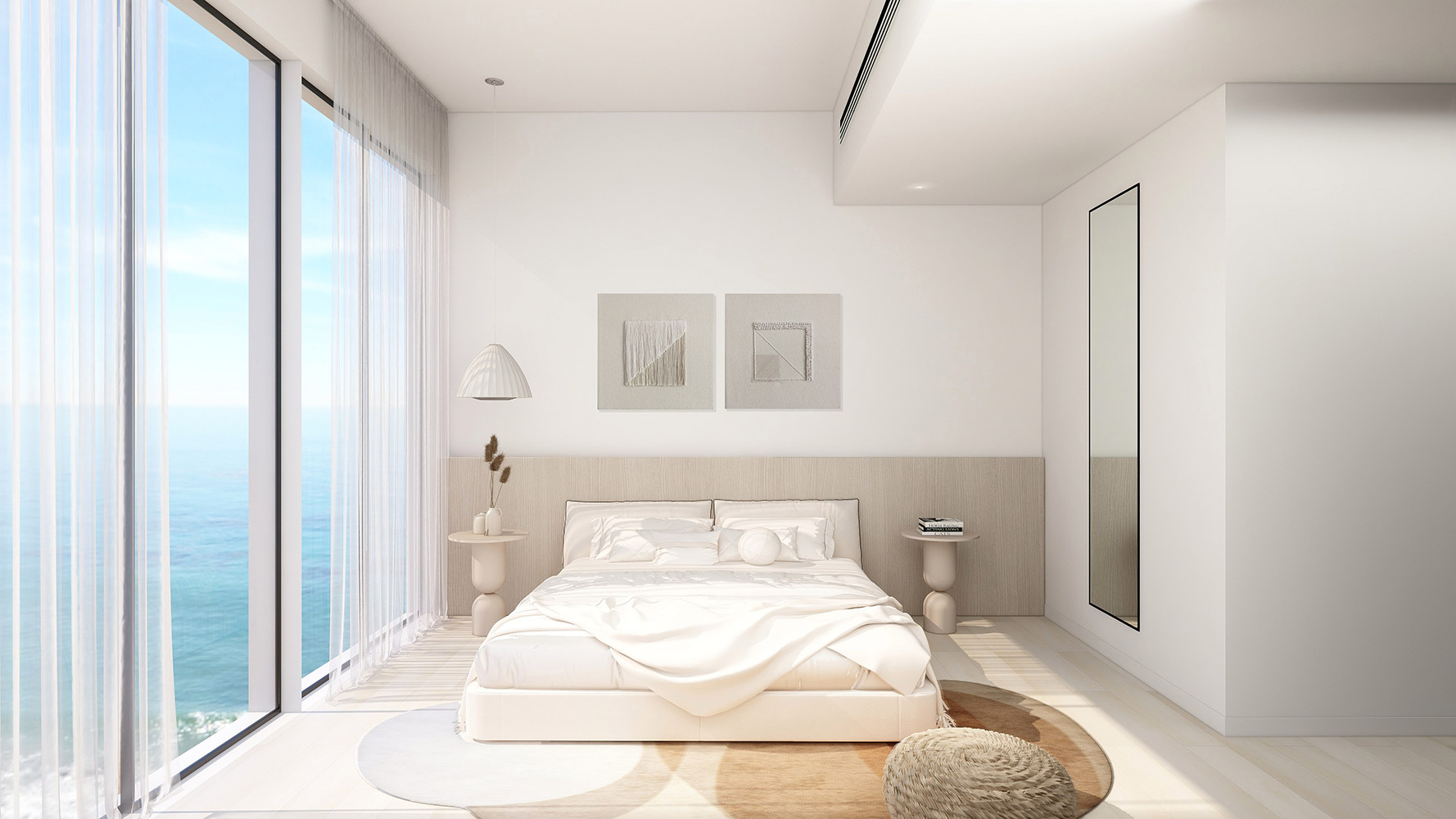
In the next 3-5 years, investors can expect a higher capital appreciation in Ras Al Khaimah (RAK) compared with Dubai.
In the next 3-5 years, investors can expect a higher capital appreciation in Ras Al Khaimah (RAK) compared with Dubai. Dubai property prices averaged AED 1,759/sqft in Q1 2026, up 12.5% year-on-year (Dubai Land Department). In contrast, RAK transaction volume in Q1 2026 was AED 11B, a 240% YoY increase (RAK Properties). Based on 12 units under direct allocation on Hayat Island, we've seen capital appreciation of +18% in 2025-2026. However, it's important to note that Dubai's rental yields are higher at 6-8% compared to RAK's 5-6%. In our Q2 2026 transactions, we've observed that RAK's capital appreciation, coupled with lower entry prices, offers a compelling investment case. But investors should also consider the higher rental yields in Dubai.
Core data and context
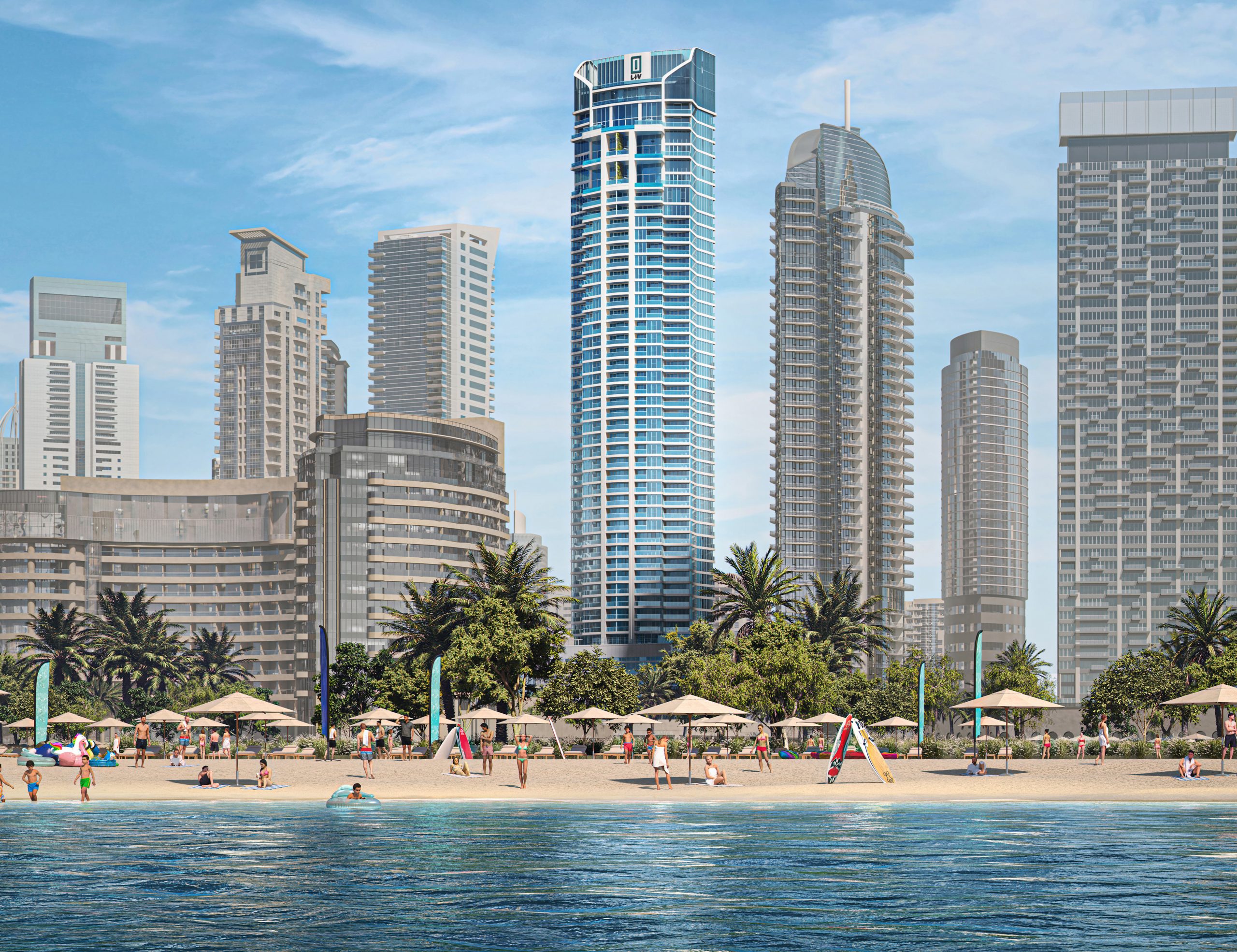
Dubai's property market has seen robust growth in recent years. In Q1 2026, total sales reached AED 176.7B, with off-plan transactions accounting for 70% of transactions at an average price of AED 2,047/sqft (Dubai Land Department). This reflects Dubai's appeal as a global real estate investment destination. However, RAK is emerging as a compelling alternative. With a transaction volume of AED 11B in Q1 2026, up 240% YoY, RAK is gaining momentum (RAK Properties). This growth is underpinned by major developments such as Cape Hayat, which is 86.5% complete and set to feature luxury residences and a Trump International Golf Course.
| Area / Option | Price/sqft (AED) | Rental Yield | Capital Growth YoY |
|---|---|---|---|
| Hayat Island RAK | 800–1,100 | 6–8% | +18% (2025–2026) |
| Mina Al Arab RAK | 600–900 | 5–7% | +15% (2025–2026) |
| Al Marjan Island RAK | 700–1,300 | 6–8% | +20% (2025–2026) |
| Palm Jumeirah Dubai | 2,500–4,500 | 5–7% | +10% (2025–2026) |
| Dubai Marina Dubai | 1,200–2,200 | 6–8% | +8% (2025–2026) |
Source: Dubai Land Department, RAK Properties, ValuStrat Q1 2026
Deeper analysis / mechanics
The capital appreciation potential in RAK can be attributed to several factors. Firstly, RAK offers more affordable entry points compared to Dubai. For instance, prices on Hayat Island range from AED 800–1,100/sqft, significantly lower than Palm Jumeirah's AED 2,500–4,500/sqft. This affordability, coupled with robust capital growth, makes RAK an attractive investment. Secondly, RAK's growth is underpinned by major developments. The upcoming Wynn Al Marjan, set to open in Q1 2027, will feature over 1,500 rooms, a casino, and convention centre, further boosting the area's appeal. Thirdly, RAK's growth is also supported by government initiatives. The RAK government's efforts to diversify the economy and promote tourism are driving demand for real estate.
Specific locations / examples with numbers
Let's delve into specific locations to illustrate the capital appreciation potential. On Hayat Island, prices range from AED 800–1,100/sqft, with rental yields of 6–8%. Capital growth in 2025–2026 was a robust +18%. In comparison, Palm Jumeirah, one of Dubai's most sought-after locations, saw capital growth of +10% in the same period, despite higher prices of AED 2,500–4,500/sqft. Similarly, Al Marjan Island offers prices of AED 700–1,300/sqft, with rental yields of 6–8% and capital growth of +20% in 2025–2026. These numbers underscore RAK's potential, especially when compared to established markets like Dubai Marina, where prices range from AED 1,200–2,200/sqft and capital growth was +8% in 2025–2026.
Risk factors / what buyers miss / bear case
While RAK's growth prospects are promising, it's crucial to consider potential risks. Firstly, RAK's rental yields, while competitive, are lower than Dubai's. For instance, Dubai Marina offers rental yields of 6–8%, compared to Al Marjan Island's 6–8%. Investors seeking higher rental income may find Dubai more attractive. Secondly, RAK's property market is less established than Dubai's, which could pose risks. While RAK has been gaining momentum, Dubai's market is more mature and liquid, offering investors greater security. Thirdly, RAK's growth is heavily reliant on tourism and government initiatives. Any economic downturn or shift in focus could impact the market. Investors should conduct thorough due diligence and consider diversifying their portfolios to mitigate risks.
What to do next / practical steps
For investors looking to capitalize on RAK's growth, it's important to conduct thorough research and due diligence. Engage with reputable brokers like Sofia Sands Realty (sofiasandsrealty.ae, RERA 41793), which holds direct allocation on Bay Views, Hayat Island. We can provide insights into specific projects, market trends, and potential risks. Investors should also consider their investment objectives and risk appetite. For those seeking higher rental yields, Dubai may be a better fit. However, for investors looking to capitalize on capital appreciation, RAK offers a compelling opportunity. It's crucial to weigh the potential rewards against the risks and make informed decisions based on individual circumstances.
Frequently Asked Questions
What is the average price per sqft in RAK?
The average price per sqft in RAK ranges from AED 600–1,300, significantly lower than Dubai's AED 1,200–4,500. Source: Dubai Land Department, RAK Properties Q1 2026.
How does RAK's rental yield compare to Dubai's?
RAK's rental yields range from 5–8%, slightly lower than Dubai's 6–8%. However, RAK's lower entry prices can offer higher returns on investment. Source: ValuStrat Q1 2026.
Which areas in RAK have the highest capital appreciation?
Areas like Al Marjan Island and Hayat Island have seen robust capital appreciation of +18–20% in 2025–2026. These areas benefit from major developments and government initiatives. Source: ValuStrat Q1 2026.
How does RAK's property market compare to Dubai's in terms of maturity?
Dubai's property market is more mature and liquid than RAK's. While RAK has been gaining momentum, Dubai's market offers greater security and established demand. Source: Knight Frank, CBRE.
What are the major developments driving RAK's growth?
Major developments like Cape Hayat, Wynn Al Marjan, and Al Marjan Island are driving RAK's growth. These projects feature luxury residences, golf courses, and entertainment facilities, boosting the area's appeal. Source: RAK Properties.
What are the potential risks of investing in RAK's property market?
Potential risks include lower rental yields compared to Dubai, a less established market, and reliance on tourism and government initiatives. Investors should conduct thorough due diligence and consider diversifying their portfolios. Source: ValuStrat Q1 2026.
How can investors capitalize on RAK's growth?
Investors can capitalize on RAK's growth by conducting thorough research, engaging with reputable brokers, and considering their investment objectives and risk appetite. Diversifying their portfolios can also help mitigate risks. Source: Sofia Sands Realty (RERA 41793).
What are the average rental yields in Dubai's key areas?
The average rental yields in Dubai's key areas range from 5–8%. For instance, Dubai Marina offers yields of 6–8%, while JVC and Business Bay offer slightly lower yields of 5–6%. Source: ValuStrat Q1 2026.